Definition
Food allergies are immune system reactions that occur shortly after eating specific foods. Even a small amount of a food allergen can trigger an allergic reaction. In some cases, food allergies can cause severe, life-threatening symptoms known as anaphylaxis.
Causes
In food allergies, the immune system mistakenly identifies certain foods or substances in food as harmful. As a result, it triggers the release of IgE antibodies to neutralize the allergen.
Upon re-exposure, even to a small amount of the food, IgE antibodies recognize the allergen, signaling the immune system to release histamine and other chemicals into the bloodstream, causing allergic symptoms.
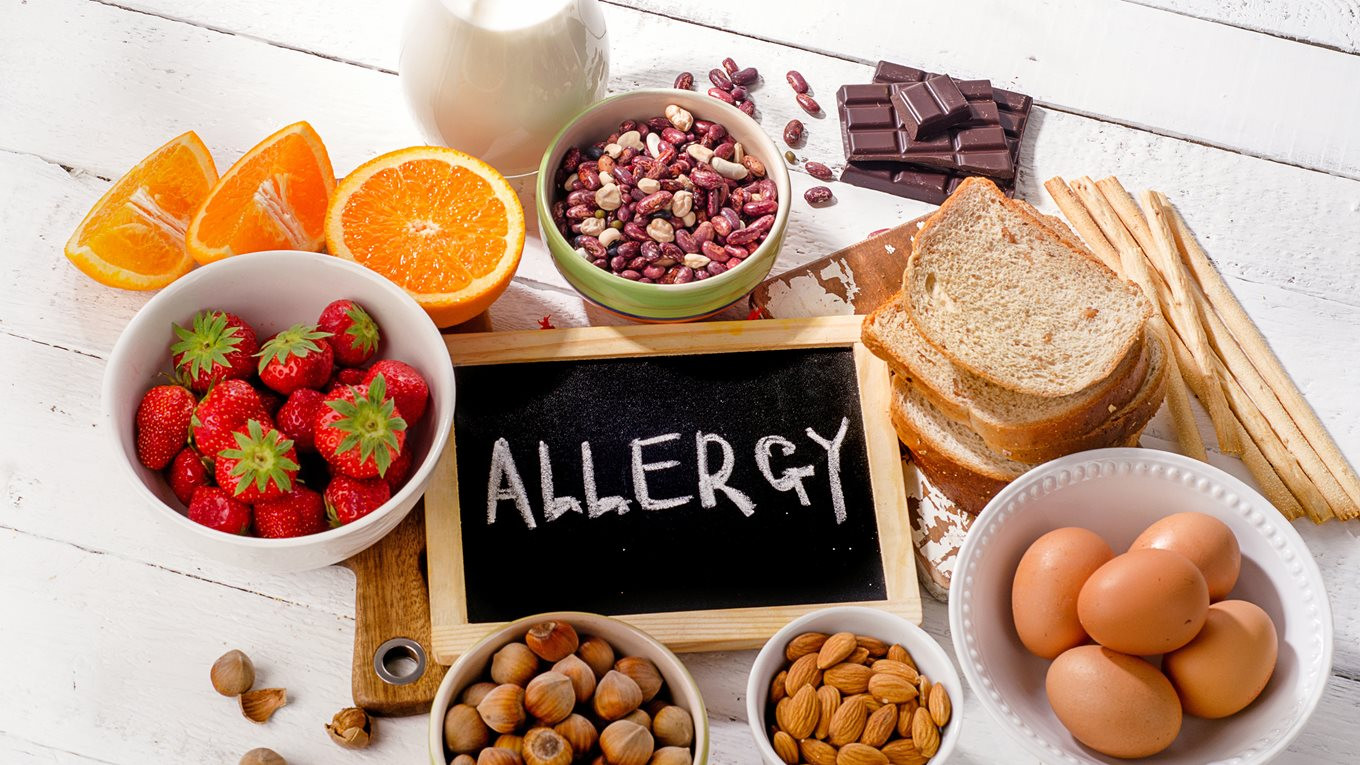
For adults, most food allergies are triggered by proteins found in:
- Shellfish, such as shrimp, lobster, and crab
- Peanuts
- Tree nuts, such as walnuts and pecans
- Fish
In children, food allergies are often triggered by proteins found in:
- Peanuts
- Tree nuts
- Eggs
- Cow’s milk
- Wheat
- Soy
Food Intolerance and Other Reactions
Food intolerance can cause symptoms similar to food allergies but is typically milder and does not involve the immune system. Individuals with food intolerance may be able to consume small amounts of the food without a reaction, depending on the type of intolerance.
In contrast, food allergies can be triggered by even trace amounts of an allergen. One challenge in diagnosing food intolerance is that some people may be sensitive not to the food itself but to substances or ingredients used in food preparation.
Conditions that may cause symptoms similar to food allergies include:
- Lack of enzymes needed to digest certain foods, as seen in lactose intolerance
- Food poisoning, such as bacterial toxins in spoiled fish
- Sensitivity to food additives, like sulfites in dried fruits, canned goods, or wine, which may trigger asthma in sensitive individuals
- Histamine toxicity from high levels of histamine in spoiled fish
- Celiac disease, a chronic digestive disorder triggered by gluten in wheat, barley, or rye, disrupts nutrient absorption in the intestines
Risk Factor
Factors that increase the risk of food allergies include:
- Family history of food allergies, asthma, eczema, hives, or allergic rhinitis
- Other allergies. A history of one food allergy can increase the risk of others, and having allergic rhinitis or eczema can also increase the risk
- Age. Food allergies are more common in children, especially young children and infants. As the digestive system matures, food allergies, such as those to milk, soy, wheat, and eggs, may resolve in childhood, though peanut, tree nut, and shellfish allergies tend to persist
- Asthma often co-occurs with food allergies, and when combined, symptoms may be more severe
Risk factors for anaphylactic reactions include:
- History of asthma
- Being a teenager or younger
- Delaying treatment of food allergy reactions
- Lack of skin-related symptoms like itching during allergic reactions
Symptoms
Symptoms of food allergies can vary from mild discomfort to life-threatening reactions and typically appear within minutes to two hours after eating an allergen.
Common signs and symptoms include:
- Sneezing
- Watery eyes and nose
- Tingling or itching in the mouth
- Itchy skin or eczema
- Skin redness
- Swelling of the lips, face, tongue, throat, or other areas
- Wheezing (a whistling sound when breathing)
- Nasal congestion or difficulty breathing
- Stomach pain, diarrhea, nausea, or vomiting
- Dizziness or fainting
Anaphylaxis
In some people, food allergies can trigger a severe allergic reaction called anaphylaxis, which includes life-threatening symptoms such as:
- Narrowing of airways
- Swelling of the throat or a sensation of a lump in the throat, making it difficult to breathe
- Shock, with a significant drop in blood pressure
- Rapid pulse
- Dizziness or loss of consciousness
Anaphylaxis requires emergency treatment, as it can lead to coma or death if untreated.
Diagnosis
There is no ideal test to confirm food allergies, so doctors will consider several factors when diagnosing, including:
- Symptoms: Describe your symptoms, suspected food triggers, and how much you ate
- Family history of allergies
- Physical examination: To identify or rule out other health issues
- Skin test: A skin prick test may help determine your reaction to specific foods, though a positive test alone is insufficient for diagnosis
- Blood test: Measures the immune response to certain foods by assessing IgE levels
- Elimination diet: Removes suspected foods from your diet for 1-2 weeks, then reintroduces them gradually to observe any reactions
- Oral food challenge: You’re given small, increasing amounts of suspected allergens. If there’s no reaction, you may reintroduce the food safely
Management
The only way to prevent food allergies is to avoid foods containing allergens. However, if accidental exposure occurs, there are steps to manage reactions:
For mild allergies, over-the-counter or doctor-prescribed antihistamines can help reduce symptoms. Mild reactions are usually limited to itching or mild skin issues. Antihistamines are not effective for severe allergic reactions.
For severe allergies, emergency epinephrine injections and immediate medical care are required. Many individuals with severe allergies carry an epinephrine injector wherever they go. Consult a doctor to determine if you need an epinephrine injector.
Environmental Support
Food allergies can be a long-term concern impacting life at home, school, and work. Consider these strategies to help manage allergy-related stress:
- Join food allergy support groups to share experiences and reduce anxiety
- Inform family and caregivers about your child’s food allergies
- Address bullying related to allergies, and educate school staff and classmates
Complications
Food allergy complications include:
- Atopic dermatitis (eczema)
- Anaphylaxis, a life-threatening reaction
Prevention
The only way to prevent food allergies is to know and avoid foods containing allergens. This can be challenging, especially when dining out.
If you have food allergies, follow these preventive steps:
- Know what you eat and drink. Be sure to read food labels carefully. Sometimes, the ingredients in a package can change, so be extra vigilant.
- If you've had a severe reaction in the past, wear an allergy alert bracelet or necklace so others know. This alert is useful if you have another severe reaction and are unable to communicate.
- Consult your doctor about epinephrine for emergency use.
- Be careful when eating in public places. Make sure the caterer knows about your allergies. Ensure that food is not prepared in containers or pans that also contain allergens. Don't hesitate to let them know for your safety. Caterers will be happy to help if they understand your request clearly.
- At restaurants and social gatherings, don't hesitate to refuse foods you're allergic to. Many people don't understand the seriousness of food allergies and that even small amounts of allergens can cause severe reactions in some people.
- Make it a habit to eat before going out or bring safe food with you when traveling.
If your child has a food allergy, take these precautions:
- Inform people who frequently interact with your child that your child has a food allergy. Emphasize that allergic reactions can be life-threatening and require immediate action. Make sure your child knows this and can seek help immediately if they experience a reaction to food
- Provide written instructions for managing reactions
- Instruct on allergy prevention: Encourage hand washing and surface cleaning to avoid allergen contact
- Educate others on recognizing symptoms for rapid response
- Equip your child with a medical alert bracelet
When to See a Doctor?
See a doctor if you experience allergic symptoms after eating certain foods. If possible, see a doctor immediately while the allergic reaction is still ongoing. This will help the doctor diagnose the situation quickly.
Seek emergency care immediately if you experience signs or symptoms of anaphylaxis, such as:
- Narrowed airways and difficulty breathing
- Shock from low blood pressure
- Rapid pulse
- Dizziness
- dr. Alvidiani Agustina Damanik
Food allergy. (2019). Retrieved 28 Desember 2021, from https://www.mayoclinic.org/diseases-conditions/food-allergy/symptoms-causes/syc-20355095
West H. (2017). The 8 most common food allergies. Retrieved 30 Desember 2021, from https://www.healthline.com/nutrition/common-food-allergies
Food allergies. (2021). Retrieved 30 Desember 2021, from
https://www.fda.gov/food/food-labeling-nutrition/food-allergies
Food allergy. (2019). Retrieved 30 Desember 2021, from https://www.nhs.uk/conditions/food-allergy/
Food allergy. (2018). Retrieved 30 Desember 2021, from https://medlineplus.gov/foodallergy.html