

Other Brands/Names
Xeomin, Lanzox, Nabota.
How It Works
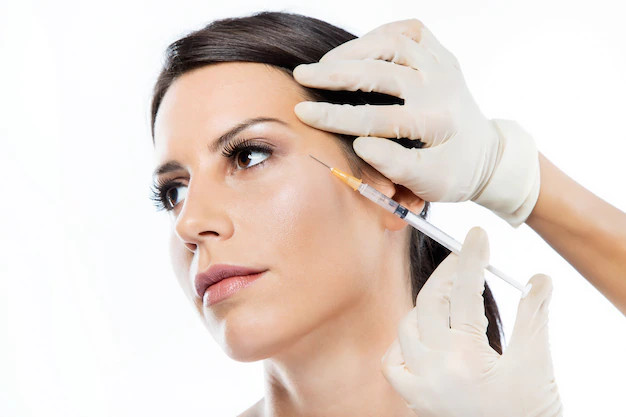
Botox is a medication derived from a toxin produced by the bacterium Clostridium botulinum. Botox injections work by weakening or paralyzing specific muscles or by blocking certain nerves. The effects of Botox typically last between three and twelve months, depending on the condition being treated.
Indications
Doctors use botox in small doses to address a variety of health conditions, including:
-
Temporarily reducing or fading facial wrinkles
-
Excessive sweating (hyperhidrosis) in the underarm area
-
Cervical dystonia (a nerve disorder causing severe neck and shoulder muscle stiffness or contractions)
-
Blepharospasm (uncontrolled blinking)
-
Strabismus (misalignment of the eyes, also known as crossed eyes)
-
Drooling (excessive salivation)
-
Chronic migraines (persistent or recurring headaches)
-
Frequent urination or urinary incontinence caused by an overactive bladder
Contraindications
-
A history of botox allergy
-
Disorders related to muscle and nerve connections
-
Severe respiratory distress
-
A current urinary tract infection
Side Effects
- Common side effects of Botox include redness, bruising, infection, and pain at the injection site, which can vary depending on where the medication is injected and the individual’s medical condition.
- Other side effects can include dizziness, mild swallowing difficulty, respiratory infections such as colds or flu, pain, nausea, headache, or muscle weakness, double vision, swollen eyelids, eye irritation, dry or watery eyes, and sensitivity to light.
- If this treatment is used for migraine prevention, side effects that can occur include headache, neck pain, and drooping eyelids.
- If this treatment is used for excessive sweating, side effects that can occur include respiratory infections, headache, fever, neck or back pain, and anxiety may occur.
- If this treatment is used for overactive bladder, side effects that can occur include urinary tract infections, burning or pain during urination, fever, or urinating difficulty.
Types
In Indonesia, Botox is available as an injectable medication containing botulinum toxin type A in 50/100/200 unit vials.
Dosage
Botox must be prescribed by a doctor and injected by an experienced healthcare practitioners. Depending on the treated medical conditions, botox can be injected into muscles (intramuscularly) for eye disorders, muscle stiffness or spasms, and wrinkles. For migraine prevention, it is injected into the muscles of the head and neck. To treat excessive sweating, botox is injected into the skin (intradermally), and for excessive salivation, it is injected into the salivary glands. Botox is also injected into the bladder to treat overactive bladder.
The dosage, number of injections, the area where injections are administered, and the frequency of treatments are tailored to each patient based on their condition and response to therapy. For children, the dosage is determined based on body weight. The effects of Botox can be seen within a few days to two weeks, and the effects usually last for 3 to 6 months.
Safety
- Botox may cause side effects such as muscle weakness, drooping eyelids, or blurred vision. Avoid driving, operating machinery, or performing any activity that requires alertness or clear vision until you are sure it is safe to do so.
- This medication should only be used during pregnancy if absolutely necessary, and the risks and benefits should be discussed with your doctor. Botox should not be used for cosmetic purposes, such as reducing facial wrinkles, during pregnancy.
- It is unknown whether botox passes into breast milk, so consult your doctor before breastfeeding.
Drug Interactions
Avoid using Botox with muscle relaxants such as tubocurarine chloride, dantrolene sodium, aminoglycoside antibiotics (e.g., gentamicin sulfate, neomycin sulfate), polypeptide antibiotics (e.g., polymyxin B sulfate), tetracyclines, lincomycin, anticholinergics (e.g., scopolamine butylbromide, trihexyl), benzodiazepines, and other botulinum toxin products.
Looking for more information about other drugs? Click here!
- dr Hanifa Rahma
Pusat Informasi Obat Nasional BPOM. Toksin Botulinum Tipe A. Pionas.pom.go.id. Retrieved 26 March 2022, from https://pionas.pom.go.id/monografi/toksin-botulinum-tipe
BPOM RI. Botulinum. cekbpom.pom.go.id. Retrieved 26 March 2022, from https://cekbpom.pom.go.id//home/produk/69bhknndt7v4km8sdutf8ashf5/all/row/10/page/1/order/4/DESC/search/5/Botulinum
Web MD. Botox Vial – Uses, Side Effects, and More. Webmd.com. Retrieved 26 March 2022, from https://www.webmd.com/drugs/2/drug-153465/botox-injection/details
Medlineplus. Botox. Medlineplus.gov. Retrieved 26 March 2022, from https://medlineplus.gov/botox.html