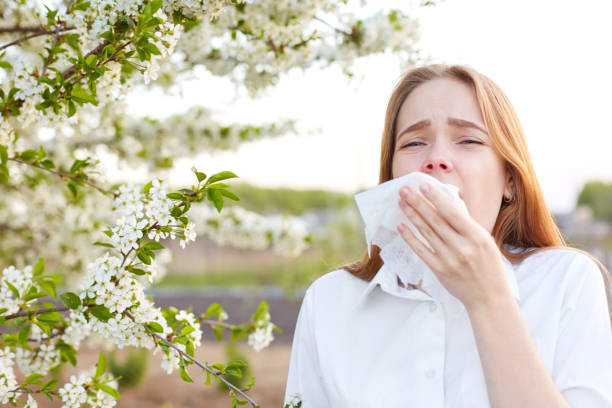
Coughing and sneezing are reflexes the body uses to expel foreign particles or germs. Long before the current Covid-19 pandemic, the transmission of infection from droplets by coughing and sneezing was recognized during the 1918–1920 Spanish flu pandemic. Droplets released during a cough or sneeze can travel up to 2 meters in about 12 seconds. This is why maintaining physical distance is a key health protocol in Covid-19 pandemic. Equally important for limiting droplets over greater distances is consistently practicing proper coughing and sneezing etiquette.
The Spread of Viruses or Germs
People often cough or sneeze without covering their mouth, or they just cover their mouth with their palm and later the same hand will touch the surrounding objects without washing their hand. This behavior increases the risk of transmitting viruses to others nearby.
Germs can spread easily by coughing, sneezing, and even speaking. Transmission of infection also occurs when you touch your face or other objects without washing your hands first. On some surfaces, like paper, viruses may survive for 2–3 hours, while on metal or wood they may persist for more than 3 days. Transmission of infection also increases when you do not wash your hands after coughing or sneezing and then shake hands or touch your face or other body parts.
Wrong Coughing Habits
Below are wrong coughing habits that can increase the risk of spreading viruses to other people:
-
Not covering your mouth when you cough or sneeze.
-
Not washing your hands after covering your mouth or nose when you cough or sneeze.
-
Spitting or coughing in open areas.
-
Leaving used tissues in the open or disposing the tissues carelessly.
-
Not wearing a mask when you have a cold or sneeze.
Coughing and Sneezing Etiquette
Based on the points above, it is essential to follow coughing and sneezing etiquette, especially if you or your family are self-isolating due to Covid-19 exposure. Doing so will not just protect you but also other people around you.
-
When you cough or sneeze, cover your mouth and nose with a tissue.
-
If you do not have a tissue, use the crook of your elbow to cover your mouth and nose.
-
Do not use your palm to cover your mouth and nose.
-
Throw the used tissues into a trash bin immediately.
-
Wash your hands with soap and running water.
-
If soap and running water are unavailable, clean your hands with hand sanitizer.
By practicing proper coughing and sneezing etiquette, you will reduce the risk of spreading Covid-19 infection to others. If your cough or flu-like symptoms worsen, consult a doctor. The doctor will perform a series of tests and provide appropriate treatment so your symptoms can improve. Continue following other health protocols, including wearing a mask, washing your hands, avoiding crowds, limiting mobility, and getting vaccinated.
Looking for more information and health articles about Covid-19? Click here!
- dr Hanifa Rahma
CDC. Coughing and Sneezing. Available from: https://www.cdc.gov/healthywater/hygiene/etiquette/coughing_sneezing.html.
Dhand R, et al. Coughs and Sneezes: Their Role in Transmission of Respiratory Viral Infections, Including SARS-CoV-2. Am J Respir Crit Care Med. 2020 Sep 1; 202(5): 651–659.