COVID-19 case counts have risen in many countries, including Indonesia. Communities have tried a range of prevention steps, such as public information campaigns, vaccination, and limits on activities. Another measure often seen is spraying disinfectant in public areas, including along highways. Does this approach actually work against the coronavirus?
How COVID-19 Spreads
COVID-19 spreads through respiratory droplets released when an infected person coughs, sneezes, or talks. These actions expel air from the nose and mouth and generate aerosols that travel short distances. Transmission can also occur through smaller particles that remain suspended in the air.
Besides droplets and airborne particles, the virus can spread from contaminated surfaces. The WHO notes that the virus may persist on some surfaces for 2 to 3 days. If droplets from an infected person land on a surface, then someone touches that surface and touches their nose, mouth, or eyes, infection can occur. This is why regular handwashing with soap is a key preventive step.
Risks of Spraying Disinfectant on Roads
Some regions have responded by spraying disinfectant on roads and public facilities. This approach is considered ineffective. While the virus can persist on surfaces, surface transmission contributes far less to overall spread than droplet and airborne routes. Research indicates that even when viral remnants are detected on surfaces, the likelihood of infection from those remnants is low. The CDC points to several limiting factors, such as environmental conditions, the amount of virus present, and inefficient transfer from hands to the nose or eyes.
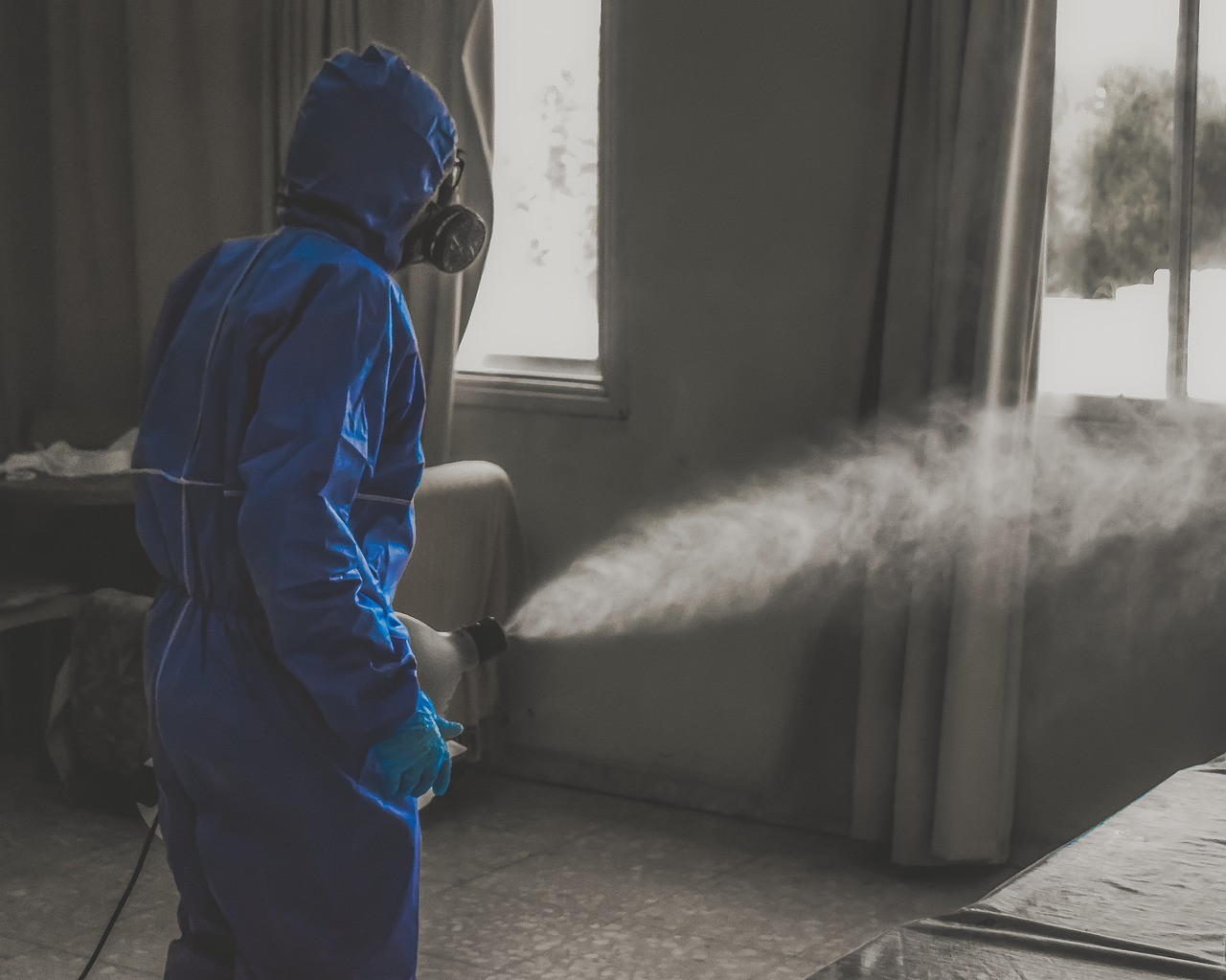
Regarding road disinfection, both the WHO and CDC advise against spraying disinfectant on streets to prevent COVID-19. Spraying open outdoor areas can pose health risks to bystanders rather than stop transmission.
Most disinfectant solutions used for broad spraying contain chlorine. Inhaling chlorine mist during large-scale road disinfection can irritate the eyes and skin and trigger breathing problems. Nausea and vomiting can also occur. Spraying streets does not block person-to-person spread between an infected and a susceptible individual. For these reasons, road disinfection is considered futile.
When Is Disinfection Appropriate?
If spraying disinfectant outdoor does not help, targeted disinfection in indoor spaces can be useful, especially when a suspected or confirmed case has been in the room within the past 24 hours. For routine cleaning, frequently touched surfaces such as tables and chairs should be washed with soap and water or detergent at least once daily.
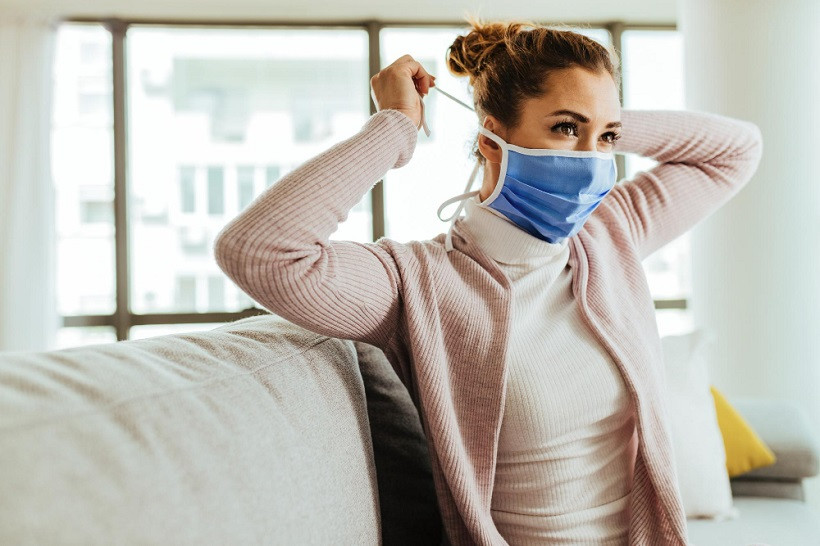
There is no evidence that spraying disinfectant on highways is effective. Keep following health measures, such as wearing a well-fitted mask, washing hands often with soap, keeping distance, avoiding crowds, and limiting unnecessary travel. Seek medical care promptly if you develop symptoms such as fever, shortness of breath, cough, or diarrhea.
Looking for more information and health articles about Covid-19? Click here!
- dr Hanifa Rahma