Definition
PCR (Polymerase Chain Reaction) is an advanced diagnostic technique used to detect genetic material from pathogens like viruses, bacteria, and fungi. This test identifies specific genetic materials, including:
-
RNA (ribonucleic acid): It carries genetic information and is used to synthesize proteins.
-
DNA (deoxyribonucleic acid): It holds all the genetic information of an organism and replicates it.
-
Germ fragments.
The Covid-19 PCR test is a molecular test that analyzes samples taken from the upper respiratory tract to detect the presence of genetic material (RNA) from the SARS-CoV-2 virus, which causes Covid-19.
PCR is considered the gold standard test for diagnosing Covid-19 due to its high accuracy and sensitivity. It amplifies even small amounts of RNA in the sample, converting it into DNA, which is then replicated until the virus's genetic material is detected.
If there is no match between the genetic material in the sample and the test’s detection system, the genetic material will not be amplified, and no virus will be detected.
The Covid-19 PCR test is highly reliable because it directly detects the virus’s genetic material, ensuring precise identification. It is also extremely sensitive, able to detect even minute traces of the virus, including remnants of the virus in patients who have recovered.
Indication
The PCR Covid-19 test should be performed in the following conditions:
- If you experience any of the following symptoms, a PCR test may be needed:
- Fever
-
Chills
-
Runny nose
-
Nasal congestion
-
Loss of taste and/or smell
-
Sore throat
-
Headache
-
Shortness of breath
-
Fatigue
-
Muscle and joint pain
-
Nausea or vomiting
-
Diarrhea
- If you have had direct contact with a confirmed Covid-19 patient within two meters for at least 15 minutes in the past 24 hours, you may need to get tested. This includes:
-
Face-to-face contact
-
Direct physical contact
-
Providing care to a positive Covid-19 patient without personal protective equipment (PPE)
-
Being in the same room, office, or vehicle as a positive Covid-19 patient
-
- If you work in a healthcare setting with high exposure to the SARS-CoV-2 virus.
- The test is also used as a requirement for Covid-19 screening when registering for school or applying for a job.
Contraindication
There are several medical conditions that need to be considered before undergoing a Covid-19 PCR test. These include:
-
If the patient has airway obstruction, there is a risk of worsening their condition or even causing respiratory failure during the test.
-
Patients with a history of bleeding disorders such as hemophilia or those who are taking blood-thinning medications.
-
Individuals with facial injuries, fractures, or those who have recently undergone facial surgery.
-
Inflammation in the mouth or throat.
Preparation Before the Test
Before undergoing a Covid-19 PCR test, there are a few key steps to ensure the safety and accuracy of the procedure. Since Covid-19 is highly contagious, it is important to take precautions:
-
If you are experiencing symptoms of Covid-19, contact a health facility offering PCR testing before going to the test location. This will help in taking necessary precautions and arranging the test accordingly.
-
You must wear a mask from the moment you leave your home to the test facility.
If you have had close contact with a person diagnosed with Covid-19, the PCR test should ideally be done 5 days after exposure. Taking the test too soon may not detect the virus, as it takes time for the virus to be detectable in the body.
Test Procedure
The Covid-19 PCR test follows a specific procedure to ensure proper sample collection:
-
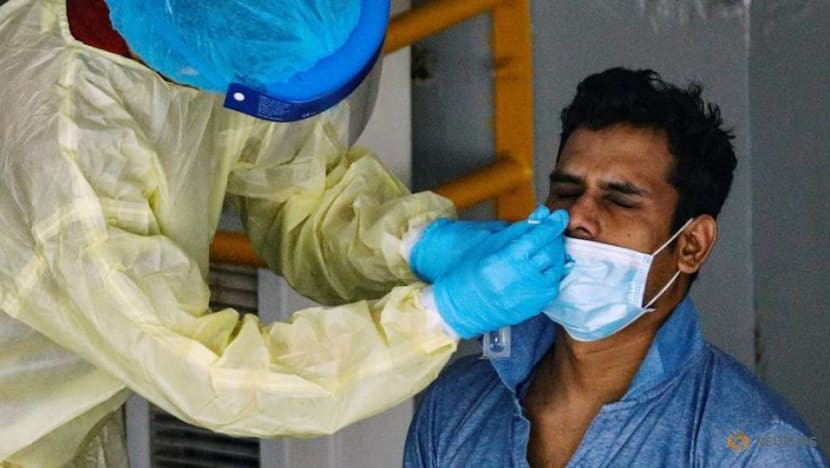
The healthcare provider will first wear personal protective equipment (PPE) to minimize the risk of exposure to the SARS-CoV-2 virus.
-
A swab tool, which looks like a long stick, will be used to collect a sample from the inner layer of your nose.
-
The swab will be gently inserted into the nostril to gather a sample of cells and mucus.
-
The sample collection will take place in a special isolation room with negative pressure to prevent the spread of the virus into the surrounding environment.
-
You will be asked to tilt your head back slightly.
-
The healthcare provider will then insert the swab tool into the nose and rotate it to collect the sample.
- After the swab collects the sample, the stick will be placed in a special tube to preserve it before being sent to the laboratory.
Once the sample reaches the laboratory, it will undergo the PCR process to detect the presence of genetic material from the SARS-CoV-2 virus. The results typically take 24 hours or several days to return, depending on the testing facility.
Normal and Abnormal Values
The value of the Covid-19 PCR examination is considered normal if the examination shows the results negative. A normal result means the PCR test did not detect the genetic material of the SARS-CoV-2 virus in the sample. No amplification of viral RNA occurs, which indicates that the person is not currently infected with the virus.
If the PCR test returns a positive result, it means the SARS-CoV-2 virus has been detected in the sample. The test has amplified the viral genetic material, indicating an active infection.
It is important to note that false negatives can occur, particularly if the test is done too soon after exposure to the virus. In such cases, the viral load may not be high enough to be detected. This is why it is recommended to wait at least 5 days after potential exposure before taking the test. If necessary, a follow-up test may be performed a few days later to confirm the result.
Results and Recommendations (Follow-up Tests)
If your Covid-19 PCR test result is positive, it means you are infected with the SARS-CoV-2 virus. In this case, if you do not have symptoms, it is important to self-isolate for at least 10 days to avoid spreading the virus to others.
If you are experiencing mild symptoms, your doctor will recommend self-isolation for a total of 10 days, plus an additional 3 days without fever or respiratory symptoms. Depending on the severity of your symptoms, you may be asked to isolate either at home or in a healthcare facility that provides quarantine services.
While isolating at home due to Covid-19, you are advised to take several steps to support your recovery and help your body heal:
- Always wear a mask
- Eat healthy and balanced nutritious food
- Light exercise
- Sunbathe
- Taking medication as prescribed
However, if you experience moderate to severe symptoms, it is important to seek medical attention promptly. Your doctor may recommend hospitalization for more intensive care and may order additional tests, including:
- Complete blood test
- Imaging with lung X-rays
- Liver function test
- Blood gas analysis
If the test results are negative, it means you are not currently infected with the SARS-CoV-2 virus and can continue with your daily activities while maintaining a healthy lifestyle.
Consult the Right Doctor
If your Covid-19 PCR test results are positive, it is important to consult with a general practitioner or a pulmonologist (lung specialist). Share your medical history with your doctor so they can tailor the treatment plan specifically for you, addressing Covid-19 therapy and preventing the condition from worsening.
Looking for more information about laboratory, radiology, and other examination results? Click here!
- dr Hanifa Rahma
Covid-19 and PCR Testing - Cleveland Clinic. ClevelandClinic.org. (2022). Retrieved 28 May 2022, from https://my.clevelandclinic.org/health/diagnostics/21462-covid-19-and-pcr-testing
Covid-19 Diagnosis Testing - Mayo Clinic. Mayoclinic.org. (2022). Retrieved 28 May 2022, from https://www.mayoclinic.org/tests-procedures/covid-19-diagnostic-test/about/pac-20488900
Covid-19 Testing: What You Nedd To Know? – Center for Disease Control and Prevention. cdc.gov. (2021). Retrieved 28 May 2022, from https://www.cdc.gov/coronavirus/2019-ncov/symptoms-testing/testing.html.
Covid-19 Test Basic – Food & Drugs Administration. fda.gov. (2021). Retrieved 28 May 2022, from https://www.fda.gov/consumers/consumer-updates/covid-19-test-basics
Understanding Covid-19 PCR Testing –National Human Genome Research Institute. genome.gov. (2021). Retrieved 28 May 2022, from https://www.genome.gov/about-genomics/fact-sheets/Understanding-COVID-19-PCR-Testing
Covid-19 Swabbing – The Royal Children’s Hospital Melbourne. rch.org. (2020). Retrieved 28 May 2022, from https://www.rch.org.au/clinicalguide/guideline_index/COVID-19_swabbing/
Young, M. (2021) Other Singapore Labs Not Using sama Covid-19 Test Kit, Instrumen That Led to 33 False Positive Cases: MOH. Channel New Asia. Retrieved 28 May 2022, from https://www.channelnewsasia.com/singapore/covid-19-singapore-test-kits-false-positive-lab-moh-940661