Definition
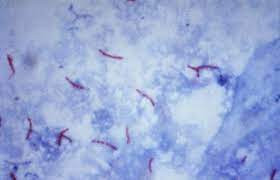
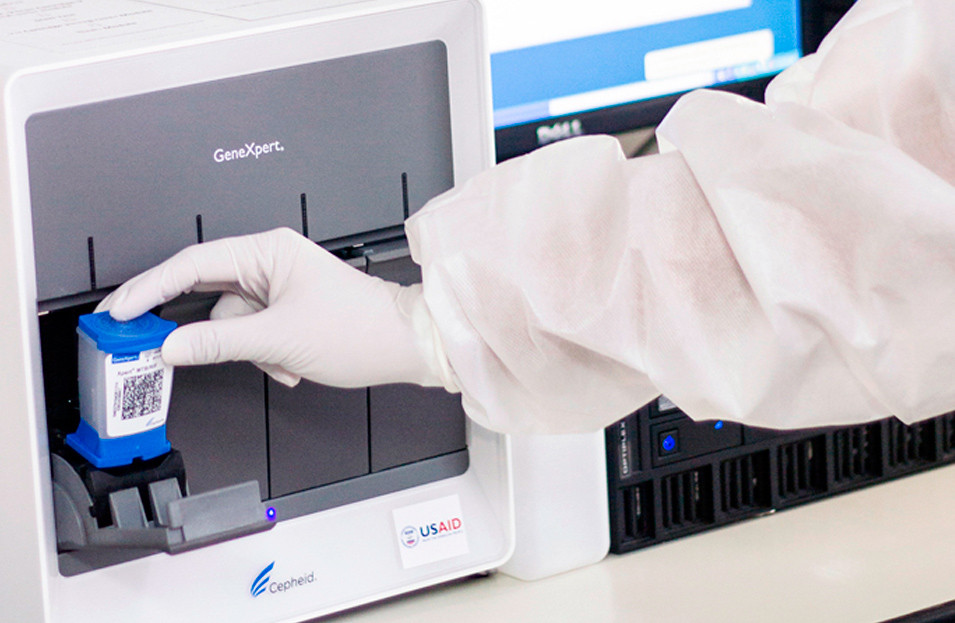
TB PCR (gene expert) is a diagnostic test used to detect the genetic material of bacteria called Mycobacterium tuberculosis (M. Tb), which are responsible for causing tuberculosis (TB). This test utilizes the gene expert system, an integrated tool that combines computer technology with PCR (Polymerase Chain Reaction) to quickly identify the presence of the tuberculosis-causing bacteria. PCR is a powerful technique that multiplies the DNA of M. Tb present in the sample. If the bacteria are not present in the test sample, the genetic material will not be amplified, and the bacteria will not be detected by the gene expert. The gene expert system is also referred to as a molecular rapid test. In essence, this test is a fast, molecular method that automatically integrates the PCR technique to identify tuberculosis bacteria. Additionally, the Gene Expert test can be used to assess a person's resistance to rifampicin, an important drug used to treat TB.
TB is one of the leading causes of death worldwide, ranking 13th among all causes. It is the second deadliest infectious disease after COVID-19. Globally, TB claims around 1.5 million lives each year. In Indonesia, tuberculosis remains a significant public health issue, affecting not only health but also social, economic, and cultural aspects. Based on data from the World Health Organization (WHO), Indonesia ranks second in the world for the highest number of tuberculosis cases.
Several factors contribute to the high incidence of TB in Indonesia. These include slow case identification, delayed detection, and diagnosis in various regions due to unequal access to healthcare services. Additionally, treatment and patient adherence to medication are often suboptimal. TB can affect individuals across all age groups, especially those with weakened immune systems, such as adults, children, and the elderly, particularly those with comorbid conditions like HIV and diabetes mellitus (DM). TB primarily attacks the lungs but can also affect other organs, potentially leading to severe complications and death. In children, untreated TB can disrupt growth and development, making early detection and treatment crucial. Given this, the TB PCR test using gene expert technology offers a promising rapid diagnostic tool for detecting tuberculosis. This test enables quicker and more accurate detection, leading to faster treatment, and aims to reduce the number of TB cases in Indonesia.
The TB PCR test provides several key benefits. It offers a rapid and highly sensitive method for detecting tuberculosis, making it an excellent tool for diagnosing the disease accurately. It can also identify cases where the tuberculosis bacteria are resistant to anti-tuberculosis drugs, which is crucial for proper treatment management. One of its main advantages is its speed, the test results can be available within just two hours. Additionally, the risk of health workers being exposed to tuberculosis germs during the testing process is minimal, as the procedure is safer than traditional methods.
However, there are limitations to this test. It is not suitable for monitoring the effectiveness of TB treatments. The quality of the test results can also be influenced by the quality of the sample provided. Moreover, the performance of the test is highly dependent on the skill of the technician operating the equipment.
Indication
The TB PCR (gene expert) test can be used in various situations, such as:
-
For patients showing symptoms of tuberculosis, this includes individuals with a persistent cough lasting more than two weeks, night sweats, coughing up blood, unexplained weight loss, loss of appetite, and difficulty breathing.
-
Early detection of Mycobacterium tuberculosis infection.
-
Early diagnosis of tuberculosis.
Contraindication
There are no specific contraindications preventing the TB PCR test from being performed.
Preparation Before the Test
This test can be conducted using different types of samples, including sputum and non-sputum samples. If a sputum sample is being collected, there are a few important considerations to ensure the quality of the sample. First, it is essential to avoid eating, drinking, or using mouthwash before collecting the sputum. These actions can contaminate the sample and affect the test results. Sputum samples are typically collected in the morning, right after waking up, or just before delivering the sample to the laboratory.
In some cases, non-sputum samples may be required. These can include brain fluid, body tissue, or gastric fluid. However, sputum is usually the preferred sample because it is easier to obtain and can be collected independently by the patient. Non-sputum samples, on the other hand, require trained professionals to collect.
Test Procedure
When using sputum samples for the TB PCR (Gene Expert) test, the following steps should be followed for proper sample collection:
-
The healthcare provider will provide you with three sterile sputum collection tubes.
-
It is important to not open the cap of these tubes until the sample collection process begins. Doing so can introduce contamination, which could affect the quality of the sputum and the accuracy of the test results.
-
If the sputum collection takes place at a healthcare facility, it should occur in a designated room designed for this purpose. This room should have open windows, be well-lit by sunlight, and have minimal foot traffic to avoid cross-contamination.
-
If you are collecting the sample at home, ensure you do so in a well-ventilated area with open windows and avoid doing so in a closed space or one with many people nearby.
-
Before collecting the sample, take a deep breath, hold it for five seconds, and then exhale slowly. Repeat this deep breathing and cough forcefully to help bring sputum up to the mouth.
-
Cough up the sputum and place it into one of the sterile tubes, filling it with at least 5 mL of sputum. Ensure the tube is tightly closed to prevent any spillage.
-
Once the sample is collected, place the tube into a clean plastic bag and promptly deliver it to the laboratory at the healthcare facility where you are being tested.
Normal and Abnormal Values
Negative Results
A normal result from the TB PCR (Gene Expert) test is negative, meaning no Mycobacterium tuberculosis bacteria are detected in the sample. This indicates that there is no genetic material from the bacteria in the sample, suggesting that the individual is not infected with tuberculosis.
Positive Results
An abnormal result may show two types of positive outcomes: First, positive results with resistance to antituberculosis drugs. This means Mycobacterium tuberculosis are detected in the sample and are resistant to anti-tuberculosis drugs, such as rifampicin. Second, positive results without resistance to antituberculosis drugs. In this case, the bacteria are present in the sample, but they are not resistant to antituberculosis drugs.
Invalid, Error, or No Result
There are situations where the test might result in "invalid," "error," or "no result." This could be due to errors in the testing process, poor quality of the sample, or malfunctions in the equipment.
Results and Recommendations (Follow-up Tests)
Negative Results
If your TB PCR test returns a negative result, this typically indicates that you or your child are not infected with tuberculosis bacteria. You can continue with a healthy lifestyle and focus on maintaining your health. However, it is possible that the bacteria were present in low quantities and were not detected by the test. In such cases, your doctor will review other factors, such as your history of exposure to tuberculosis patients, any symptoms you're experiencing, and additional diagnostic tests. These may include a complete blood count, chest X-ray, and bacterial culture tests for tuberculosis. In children, a Mantoux (tuberculin) skin test may also be performed to help with diagnosis.
Positive Results
If the TB PCR test shows a positive result, and the bacteria are resistant to antituberculosis drugs, this indicates that you or your child has been infected with Mycobacterium tuberculosis, and the bacteria are resistant to medications such as rifampicin. Your doctor will carefully review your symptoms, the test results, and any other diagnostic tests. Treatment will typically involve a specialized regimen of drugs designed for drug-resistant tuberculosis. It is crucial to follow the treatment plan consistently to ensure a successful outcome and complete recovery. During treatment, you will need to adopt a healthy lifestyle, which includes wearing a mask to prevent spreading the infection, getting plenty of sunlight, ventilating your home by opening windows, and ensuring that any close contacts, such as family members, are tested for tuberculosis as well.
If the TB PCR test shows a positive result and the tuberculosis bacteria are still sensitive to antituberculosis drugs, it means that you or your child have an active tuberculosis infection that can still be treated with standard antituberculosis drugs. The doctor will recommend a treatment plan for tuberculosis, which typically lasts for six months. During this period, it is crucial to follow the prescribed medication regimen strictly to ensure the success of treatment and to avoid complications. In addition to the medication, the doctor will advise steps to prevent the transmission of the disease to others and ensure proper control of the TB infection.
Invalid, Error, or No Result
If the TB PCR test returns an "invalid," "error," or "no result" outcome, the doctor will generally recommend repeating the test. However, this retesting can only be done once.
Consult the Right Doctor
A positive TB PCR test result indicates that you or your child are infected with tuberculosis. It is important to consult with a general practitioner, a specialist doctor, and, if the patient is a child, a pediatrician. Seeking timely medical advice ensures that the right treatment plan is followed to address the tuberculosis infection and prevent its spread to other parts of the body or lead to complications. For children, early intervention is particularly critical to avoid interference with their growth and development.
Looking for more information about laboratory, radiology, and other examination results? Click here!
- dr Hanifa Rahma
Kementerian Kesehatan Republik Indonesia. (2017). Petunjuk Teknis Pemeriksaan TB menggunakan Tes Cepat Molekular (p. A multiple page). Kementerian Kesehatan.
Tuberculosis – World Health Organization. who.int (2021). Retrieved 18 June 2022, from https://www.who.int/news-room/fact-sheets/detail/tuberculosis
TB Anak – Kementerian Kesehatan. (2021). Retrieved 18 June 2022, from https://tbindonesia.or.id/pustaka-tbc/informasi/teknis/tb-anak/
Intructions fo Collecting Sputum for TB (tuberculosis) – Minnesota Departemen of Health. (2020). Retrieved 18 June 2022, from https://www.health.state.mn.us/diseases/tb/basics/factsheets/sputum.html
A New Tool to Diagnose Tuberculosis: The Xpert MTB/Rif Assay– Centers for Disease Control and Prevention. cdc.gov. (2017). Retrieved 18 June 2022, from https://www.cdc.gov/tb/publications/factsheets/testing/xpert_mtb-rif.htm
Mycobacterium-PCR for MTBC/MAC– Publich Health Ontorio. (2022). Retrieved 18 June 2022, from https://www.publichealthontario.ca/en/laboratory-services/test-information-index/mycobacterium-pcr-mtbc-mac
Mycobacterium tuberculosis Complex, Molecular Detection, PCR - Mayo Clinic Laboratories. mayocliniclabs.com. (2021). Retrieved 18 June 2022, from https://www.mayocliniclabs.com/test-catalog/Overview/88807#Clinical-and-Interpretive
TB-PCR – Canterbury Health Laboratories. labnet.health.nz. (2022). Retrieved 18 June 2022, from https://www.labnet.health.nz/testmanager/index.php?fuseaction=main.DisplayTest&testid=953