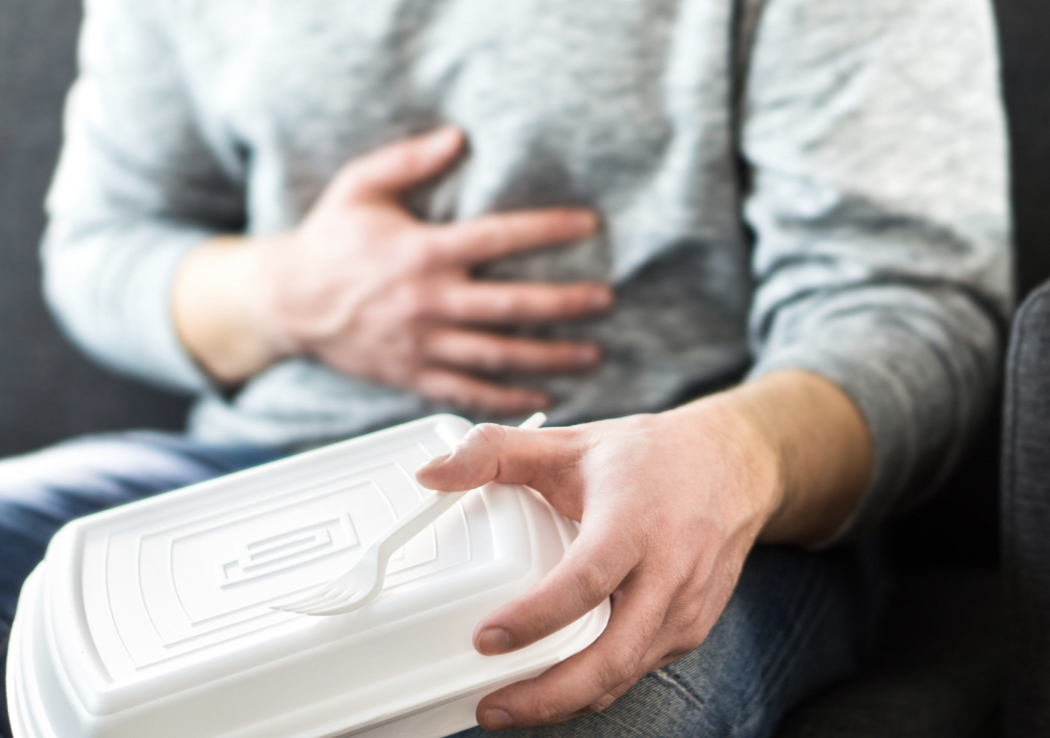

Definition
Diarrhea is a condition characterized by increased frequency of bowel movements with loose, watery stools. It is a common health issue in Indonesia. According to the Indonesian Ministry of Health Information Center, diarrhea is an endemic disease with frequent outbreaks that can lead to death. The 2018 Basic Health Research data reported about 7 million cases of diarrhea nationwide, occurring more frequently in infants and young children. Additionally, in 2018, there were 10 diarrhea outbreaks across 8 different provinces.
Causes
Diarrhea is categorized as acute or chronic. Acute diarrhea lasts less than two weeks. If it persists for two weeks or more, it is classified as chronic diarrhea.
For acute diarrhea, the primary cause is a viral infection in the large intestine, including rotavirus, norovirus, cytomegalovirus, and hepatitis virus, with rotavirus being the most common cause in children. Other causes include:
- Bacterial infection. There are two groups, namely invasive bacteria (which release toxins and irritate the small intestine) and non-invasive bacteria.
- Non-invasive bacteria: Staphylococcus aureus, Bacillus cereus, Clostridium perfringens, Vibrio cholerae, and pathogenic Escherichia coli.
- Invasive bacteria: Shigella, Salmonella (non-typhoidal and typhoidal), Campylobacter, Vibrio non-cholera, Yersinia, Enterohemorrhagic E. coli (subtype 0157), Aeromonas, and Plesiomonas.
- Parasitic infection, Such as cryptosporidiosis, giardiasis, or strongyloidiasis
- Food allergies
- Intolerance of natural sweeteners from honey and fruits, as well as lactose intolerance (from dairy products)
- Post-gallbladder surgery
- Side effects of medications, such as antibiotics
Chronic diarrhea may be caused by:
- Inflammatory bowel disease, such as Crohn’s disease or colitis
- Irritable Bowel Syndrome (IBS)
- Celiac disease: An autoimmune reaction to gluten
Risk Factor
Hygiene is the main factor influencing the risk of diarrhea due to the frequent transmission through contaminated food or water. High-risk groups requiring further evaluation include individuals over 70, those with weakened immune systems, infants, children, and foreign travelers.
Other risk factors for chronic diarrhea in both children and adults include:
- Large intestine disorders
- Allergies
- Food absorption issues
- Food poisoning
- Inflammatory bowel disease
- Radiation therapy
- Diabetes
- Certain medications, such as antibiotics, laxatives, or chemotherapy drugs
- Abdominal surgery side effects
- Immune or thyroid disorders
Symptoms
Diarrhea involves passing loose or watery stools more than three times within 24 hours. It may be accompanied by mucus or blood and other symptoms such as:
- Nausea
- Vomiting
- Abdominal pain or cramps
- Stomach pain
- Fever
Acute diarrhea caused by bacterial infection with toxins and causing inflammation usually causes symptoms of heartburn and pain to severe pain called colic. In addition, there is mucus and/or blood from stool examination.
Dehydration can result from untreated diarrhea. Dehydration occurs when you lack body fluids and can be defined by the following:
- Extreme thirst
- Dry mouth and lips
- Dizziness
- Dark or infrequent urination
In children, dehydration requires particular attention, and managing diarrhea aims primarily to prevent dehydration.
Diagnosis
The doctor will perform a series of examinations to determine if someone has diarrhea and what is causing it. A medical history examination, including the patient's background and environment, a history of medication, particularly antibiotics, and a travel history, may be necessary to establish a diagnosis.
The doctor will conduct a more thorough examination of the history of symptoms, including when the complaint began, duration, frequency, progression, volume of diarrhea, the presence of bloody stools, and vomiting. This can help the doctor determine the cause of diarrhea.The doctor will also perform a physical examination to determine the disease's overall condition and severity.
The doctor may also perform additional tests, such as blood and stool tests. The purpose of blood tests is to determine the severity of diarrhea and the suspected cause. A stool examination is performed to determine whether there are bacteria or parasites that cause diarrhea.
A more comprehensive examination is required in cases of chronic diarrhea or diarrhea that happens on a regular basis. The doctor might do a colonoscopy if it is required. A device similar to a tiny tube with a light and camera at the end is used to perform the examination. The purpose of a colonoscopy examination is to assess intestinal health and detect anomalies in the large intestine.
Management
The majority of diarrhea cases resolve on their own within a few days. The primary goal of therapy is to avoid dehydration and relieve symptoms. For relief from symptoms, you can do the following:
- Replacing body fluids and electrolytes: Adults can drink as much fluid as they want, including water, juice, and broth. This is necessary to replace body fluids lost through diarrhea.
- Proper food consumption: For a few days, you are also encouraged to consume soft foods. Steer clear of foods heavy in fat, fiber, or spices. After you've made progress, you can gradually move to a denser texture and up the amount of fiber in your meals.
- Anti-diarrhea medications: Adults can take anti-diarrhea drugs as directed by their physician. Take two tablets of attapulgite, an over-the-counter anti-diarrhea medication, for each episode of diarrhea. This anti-diarrhea drug is not meant for children, so proceed with caution. Take note of the following tips for treating children's diarrhea.
Management of Diarrhea in Children
Diarrhea management requires attention, particularly when it comes to infants or children. This is because the loss of bodily fluids makes this age group vulnerable to dehydration. Rehydration, zinc supplementation, nutrition, selective antibiotics, and parent/caregiver education are the five primary treatments that the World Health Organization, or WHO, suggests for LINTAS diarrhea.
- Rehydration or fluid replacement: Even if the child is not dehydrated, give them 10 milliliters per kilogram of body weight (KgBW) of oral rehydration solution every time they defecate. They can also give breast milk to infants who are still nursing.
- Zinc supplementation: can shorten the duration of diarrhea, lower the risk of disease severity, and decrease the number of diarrhea episodes. Zinc is essential for the proliferation of immune cells. Zinc is administered for 10-14 days, even if the diarrhea has resolved. Children under the age of six months receive ten milligrams per day, while children over six months receive twenty.
- Nutrition: Breastfeeding and child food can help to replace lost nutrients. Give children the same food they would eat if they were healthy. Children do not need to fast; food can be given in small portions with more frequent feeding, such as more than six times per day, and is low in fiber.
- Selective antibiotics: Doctors are the only ones who can prescribe antibiotics. Antibiotics aren't always necessary to treat children's diarrhea; in fact, some antibiotic-induced diarrhea conditions exist. Antibiotics are therefore only administered in specific situations where bacteria are considered to be the cause.
- Parental education: If a child exhibits symptoms such as fever, bloody stools, little eating or drinking, extreme thirst, or diarrhea that has not improved after three days, parents or other caregivers are expected to take them to the closest doctor. Furthermore, it is critical that parents or other caregivers know how to provide oral rehydration fluids and meet children's nutritional needs.
In addition to the five steps above, giving probiotics and prebiotics is also known to help relieve symptoms. Probiotics that can be used in the treatment of diarrhea caused by rotavirus in children include Lactobacillus GG, Saccharomyces boulardii, and Lactobacillus reuterii.
Complications
Electrolyte and fluid loss may result from improperly treated or worsened diarrhea. This condition is particularly prevalent in children and the elderly. Cholera-induced acute diarrhea can result in abrupt fluid loss and hypovolemic shock. A condition known as hypovolemic shock occurs when the body loses a significant amount of fluid, which results in a shortage of oxygen and nutrients reaching the tissues. Shock is a potentially fatal illness. A number of critical organs, including the heart, lungs, and kidneys, may fail in patients who receive medical attention too late.
In addition, there is a complication called Hemolytic Uremic Syndrome (HUS), which is the main complication of diarrhea caused by one type of E. Coli bacteria. Symptoms experienced can include kidney failure, anemia, and thrombocytopenia. Several other complications that can occur due to diarrhea are due to other types of bacteria and parasites, such as Guillain-Barré syndrome and post-infectious arthritis.
Prevention
The primary strategy to avoid diarrhea is to keep your food and drinks clean. If a person maintains good hygiene, they can avoid contaminated bacteria, viruses, and parasites. Here are some preventative measures:
- Wash your hands consistently. You can wash your hands before and after eating, after using the restroom, after sneezing or coughing, and when cooking, especially after handling raw meat. You can wash your hands with clean water and soap
- Eat cooked foods. As much as possible, avoid eating raw fruits and vegetables that you have not cut yourself. Check the cleanliness of the fruits and vegetables you will consume
- Drink boiled water
When to See a Doctor?
You need to visit a doctor directly in order to establish a diagnosis and learn more about the cause of diarrhea. To determine the cause of diarrhea, the doctor will perform a physical examination, a review of medical history, and additional examinations. However, most diarrhea can resolve on its own without the need for additional treatment.
The following signs and symptoms need further evaluation:
- Fever above 38 degrees Celsius
- Severe abdominal pain, especially if over 50 years old
- A history of hospitalization
- Living in a nursing home
- History of antibiotic use
- Blood and mucus in the stool (dysentery)
- Having more than 5 bowel movements in 24 hours
- Symptoms worsen after 48 hours
- Symptoms of severe dehydration, such as dizziness, extreme thirst, or low urine output
Looking for more information about other diseases? Click here!
- dr. Alvidiani Agustina Damanik
-
World Health Organization. Diarrhoeal disease. Available from: https://www.who.int/news-room/fact-sheets/detail/diarrhoeal-disease
-
Johns Hopkins Medicine. Diarrhea. Available from: https://www.hopkinsmedicine.org/health/conditions-and-diseases/diarrhea
-
National Institute of Diabetes and Digestive and Kidney Diseases. Diarrhea. Available from:https://www.niddk.nih.gov/health-information/digestive-diseases/diarrhea