
Coffee and tea are popular caffeinated beverages that many people consume daily. Not only are they enjoyed for their pleasant taste, but the caffeine content also helps improve focus and alertness.
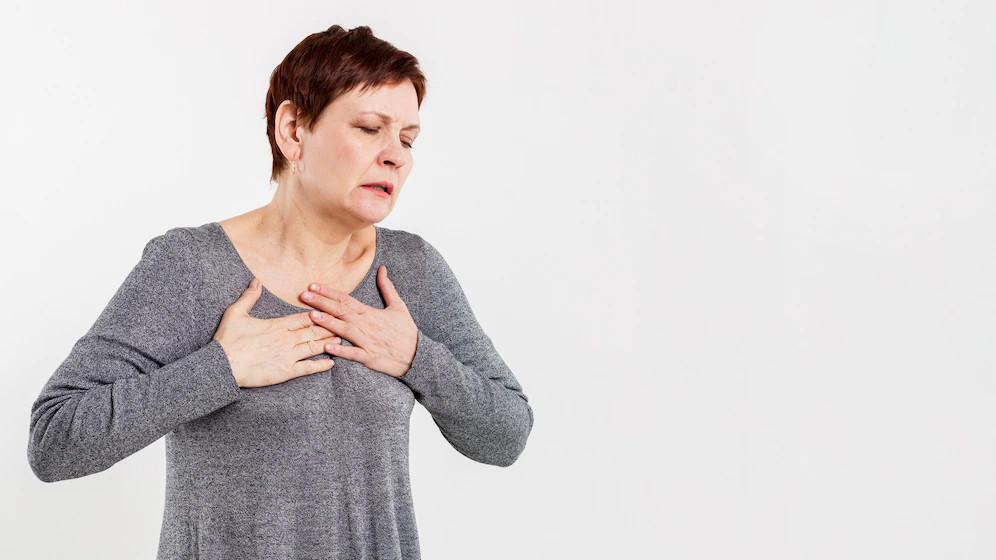
However, for those with GERD, consuming these drinks can present a dilemma. Caffeine is known to stimulate the production of stomach acid, which can lead to worsening symptoms like heartburn, nausea, or a burning sensation in the chest.
Risks of Drinking Coffee and Tea for People with GERD
Both coffee and tea contain caffeine, which can interfere with the functioning of the lower esophageal sphincter (LES), the valve between the stomach and esophagus. This valve’s job is to prevent stomach acid from traveling back up into the esophagus. When the LES is weakened, the risk of acid reflux increases.
Studies have found that consuming more than 200 mg of caffeine per day is linked to worsened GERD symptoms, such as heartburn, nausea, and chest pain, which can occur as soon as 30 minutes after drinking coffee or tea.
Additionally, coffee, especially black coffee and instant coffee, has a high acidity level. This acidic content can irritate the lining of the esophagus, particularly if it is already inflamed due to GERD, causing discomfort and a burning sensation.
Should All People with GERD Avoid Coffee and Tea?
It’s important to note that the way coffee and tea affect people with GERD can differ. Some individuals may still tolerate small amounts, while others experience symptoms even after consuming a small quantity.
The severity of symptoms can depend on various factors, including how sensitive an individual is to caffeine, the condition of their stomach at the time of drinking, the type and amount of caffeine consumed, and their overall diet.
Although responses vary, many experts still suggest limiting or avoiding caffeinated beverages to reduce the chances of GERD flare-ups. If symptoms become more frequent or severe after drinking coffee or tea, it may be time to cut back or eliminate them from your routine.
Tips If You Still Want to Drink Coffee or Tea
If you can’t imagine your day without a cup of coffee or tea, here are a few tips to minimize the impact on your GERD symptoms:
-
Limit your intake. Try to keep your caffeine consumption under 200 mg per day.
-
Avoid frequent consumption. It’s best to have caffeinated drinks only once a day. Also, steer clear of drinking them in the afternoon or evening, as they could trigger reflux during sleep.
-
Choose gentler options. For coffee, opt for low-acid varieties or those made with the cold brew method. Green tea or herbal teas that are caffeine-free can be better choices compared to regular black tea or high-caffeine options.
-
Don’t drink on an empty stomach. Consuming coffee or tea without food can lead to excessive stomach acid production.
-
Be mindful of additives. Avoid adding too much sugar, creamer, high-fat milk, or chocolate to your coffee or tea, as these can exacerbate GERD symptoms.
By following these suggestions, you can still enjoy coffee or tea while minimizing the discomfort of GERD.
If you need more personalized advice or want to consult a doctor about GERD symptoms, you can use the consultation feature on the Ai Care app, available for download on both the App Store and Play Store.
Looking for more information about other diseases? Click here!
- dr Hanifa Rahma
Cleveland Clinic (2023). Acid Reflux & GERD. Available from: https://my.clevelandclinic.org/health/diseases/17019-acid-reflux-gerd
Timothy Huzar (2023). Should people with GERD avoid caffeine?. Available from: https://www.medicalnewstoday.com/articles/323333
Robin Madell (2024). Are Coffee and Tea Off Limits? How Caffeine Affects GERD. Available from: https://www.healthline.com/health/gerd/coffee-tea
Astrid Nehlig (2022). Effects of Coffee on the Gastro-Intestinal Tract: A Narrative Review and Literature Update. Available from: https://pmc.ncbi.nlm.nih.gov/articles/PMC8778943/
US FDA (2024). Spilling the Beans: How Much Caffeine is Too Much?. Available from: https://www.fda.gov/consumers/consumer-updates/spilling-beans-how-much-caffeine-too-much