
Floods not only cause extensive material damage, but they also increase the risk of various health issues. Even after the water recedes, some diseases may still emerge. What are the common diseases that develop after a flood? Let’s take a look at the details below.
Diseases That Develop After Floods
The diseases that typically arise after floods are often caused by harmful microorganisms that are carried by dirty and stagnant water. These illnesses can range from digestive problems to skin conditions. Below are some of the most common diseases associated with floods:
Diarrhea
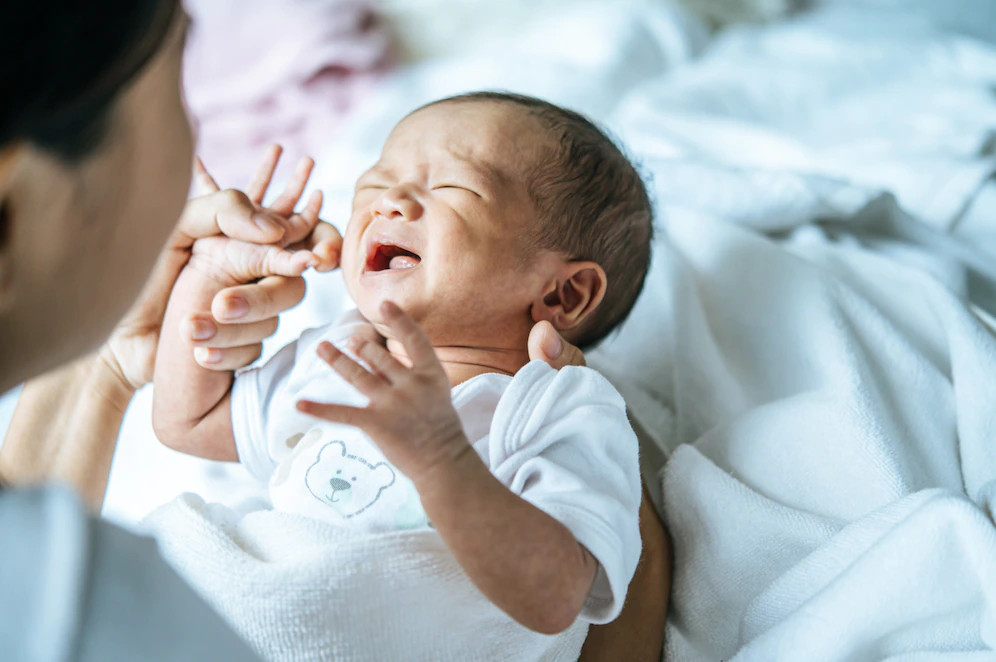
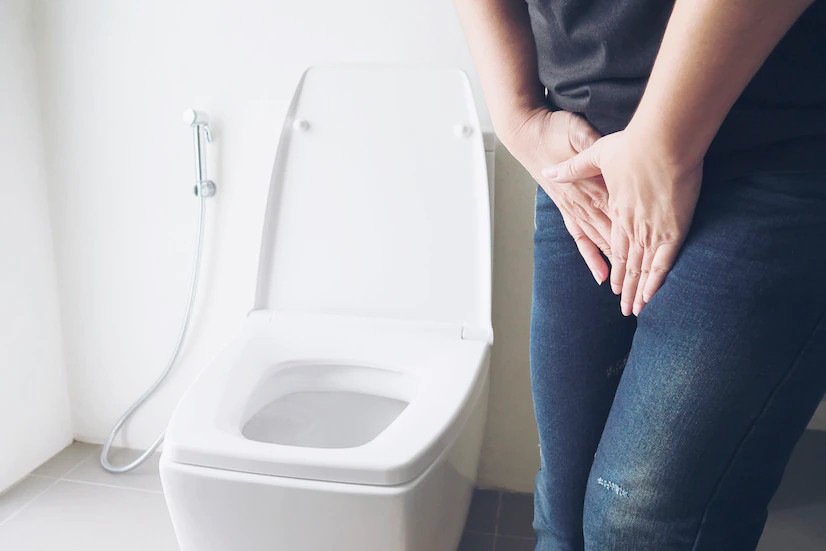
Diarrhea is a widespread illness following floods and during the rainy season. It is particularly common among infants and young children. The symptoms include loose stools, fever, and frequent bowel movements. If left untreated, diarrhea can lead to dehydration, which may result in serious complications.
Cholera
Cholera is a bacterial infection that often spreads in areas affected by natural disasters like floods, earthquakes, or storms. It causes severe diarrhea and can lead to rapid dehydration. If not treated promptly, cholera can be fatal.
Typhoid Fever
Typhoid fever is caused by the bacteria Salmonella typhi and is spread through consuming contaminated food or water. When you ingest food or drink contaminated with typhoid bacteria, it multiplies in the intestines and enters the bloodstream.
Symptoms of typhoid fever include a prolonged fever, loss of appetite, nausea, headache, constipation, and weight loss.
Hepatitis A
Hepatitis A is a liver infection caused by the hepatitis A virus. This virus is transmitted through consuming food or water contaminated with the feces of an infected person.
Unlike hepatitis B and C, hepatitis A does not lead to chronic liver disease, but it can cause a range of symptoms, from mild to severe, including fever, nausea, and vomiting.
Leptospirosis
Leptospirosis is a disease caused by the bacteria Leptospira. You can contract this bacteria through open wounds or by coming into contact with your eyes, nose, or mouth. Leptospirosis is a zoonotic disease, meaning it can be transmitted from animals to humans.
The bacteria can be spread through:
-
Direct contact with urine or reproductive fluids from infected animals.
-
Contact with water or soil contaminated by Leptospira bacteria.
-
Consuming food or drinks contaminated with the bacteria.
Skin Diseases
Skin problems are common after floods due to prolonged exposure to floodwater or poor hygiene conditions. Some of the skin diseases that may develop include irritant contact dermatitis, bacterial infections like cellulitis and folliculitis, and fungal infections such as ringworm and tinea versicolor.
Malaria
Malaria is another disease that can develop after floods. It is caused by a parasite that is transmitted through mosquito bites. Common symptoms of malaria include fever, weakness, nausea, and muscle pain.
After flooding, dirty puddles of water can become breeding grounds for mosquitoes, increasing the risk of malaria. These puddles also serve as habitats for other disease-causing microorganisms. To protect yourself, it’s important to avoid direct contact with dirty water and cover any open wounds with bandages to prevent exposure.
If you have any health-related concerns, it’s advisable to consult a doctor or use the consultation service available on the Ai Care app, which can be downloaded from the App Store or Play Store.
Looking for more information about other diseases? Click here!
- dr Hanifa Rahma
Cleveland Clinic. Cholera. Available from: https://my.clevelandclinic.org/health/diseases/16636-cholera
News Medical. Water-Borne Diseases. Available from: https://www.news-medical.net/health/Water-Borne-Diseases.aspx
Connecticut State. Post Flood: Key Facts About Infectious Disease. https://portal.ct.gov/dph/epidemiology-and-emerging-infections/post-flood-key-facts-about-infectious-disease
Queennsland Government. Bacterial Infections After a Flood. Available from: https://www.qld.gov.au/emergency/dealing-disasters/disaster-types/flood/flood-health-and-safety/bacterial-infections-after-a-flood