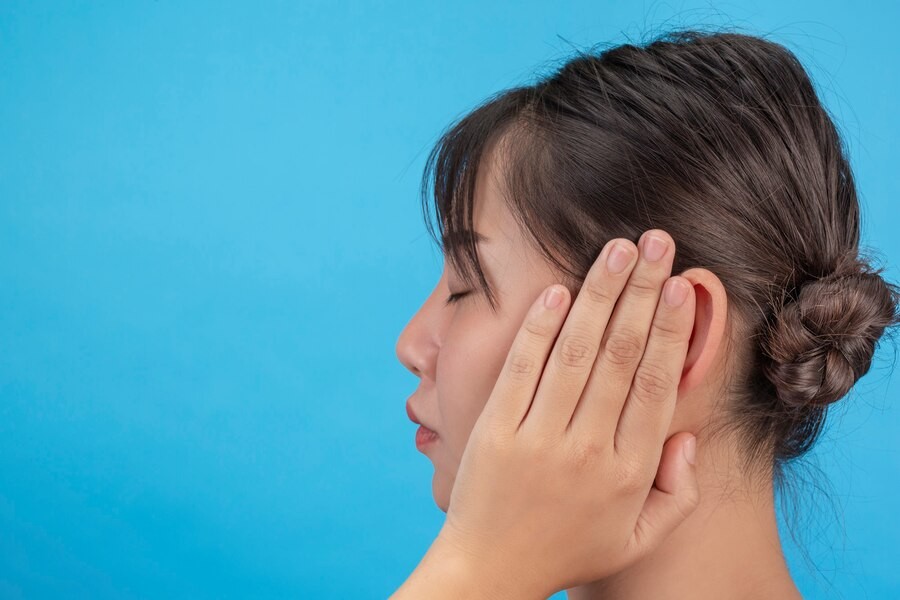

A stroke occurs when the blood supply to the brain is interrupted, either by bleeding (hemorrhagic stroke) or obstruction (ischemic stroke). The brain-controlled body portion becomes paralyzed as a result of this disease. How about the phrase "ear stroke"? Is it possible for an ear stroke to happen?
What is an Ear Stroke?
“Ear stroke” is a lay term for sudden sensorineural hearing loss (SSNHL), often called sudden deafness. It is a rapid loss of hearing ability that develops over minutes to hours and may last for days. The outcomes of this condition will depend on the cause and the overall health of the patients.
Causes of Sudden Deafness
SSNHL usually begins in the inner ear, especially the cochlea and its sound-sensing hair cells. These structures convert sound vibrations into electrical signals that travel along the auditory nerve to the brain. This mechanism can help us to hear sounds.
When inner-ear structures such as cochlea are damaged or fail to function properly, hearing ability can drop suddenly. Patients will only hear muffled or faint sounds, or cannot totally hear anything.
Although there are many different reasons of sudden deafness, only around 10% of instances have a definite etiology. Among the reasons for sudden deafness are:
-
Bacterial or viral infections
-
Head injuries
-
Autoimmune diseases
-
Certain medications or cancer treatments that are ototoxic
-
Circulatory disorders
-
Neurologic disorders such as multiple sclerosis
-
Inner-ear disorders such as Ménière’s disease
-
Congenital conditions
Sudden deafness can affect one ear or, less commonly, both. Tumors and autoimmune disorders are rarer causes but are considered during evaluation.
Symptoms of Sudden Deafness
Many people first notice SSNHL in one ear upon waking. Others notice it when using headphones or a phone on the affected side. A brief popping sound may precede the hearing drop. Additional symptoms can include:
-
Muffled speech perception
-
Ringing in the ear (tinnitus)
-
Difficulty hearing high-pitched sounds
-
Balance problems or unsteadiness
-
Trouble following group conversations
-
Difficulty hearing speech in noisy places
Treatment for Sudden Deafness
Some people recover partially without treatment, but early treatments can improve the chance of improved hearing recovery. Seek medical attention right away to get a better chance of recovery. A doctor may perform an ear examination, hearing tests (audiometry), and imaging (often MRI) to look for underlying causes.
When no specific cause is found, corticosteroids are the most common first-line treatment. Steroids reduce inflammation and swelling and may help protect inner-ear cells.
Steroids can be given as oral medicine or through intratympanic injections placed into the middle ear so the drug diffuses into the inner ear.
Steroids are recommended as soon as possible. Delays longer than about 2–4 weeks can increase the risk of permanent hearing loss.
Anyone can develop sudden deafness. If you notice a sudden change in hearing, new tinnitus, or a rapid shift in how sounds are perceived, seek prompt medical care. Early evaluation and treatment offer the best chance for recovery.
Looking for more information about other diseases? Click here!
- dr Hanifa Rahma
National Institute of Deafness and Other Communication Disorders. Sudden Deafness. Available from: https://www.nidcd.nih.gov/health/sudden-deafness#
Healthline. Sudden Sensorineural Hearing Loss (SSHL). Available from: https://www.healthline.com/health/sensorineural-deafness.
Mayo Clinic. Hearing loss. Available from: https://www.mayoclinic.org/diseases-conditions/hearing-loss/symptoms-causes/syc-20373072.
WebMD. 5 Sensorineural Hearing Loss Symptoms You Should Know. Available From: https://www.webmd.com/connect-to-care/hearing-loss/sensorineural-hearing-loss-symptoms.
Quality Health Care. Ear Stroke (Sudden Sensorineural Hearing Loss). Available from: https://www.qhms.com/en/health-info/health-article/ear-stroke