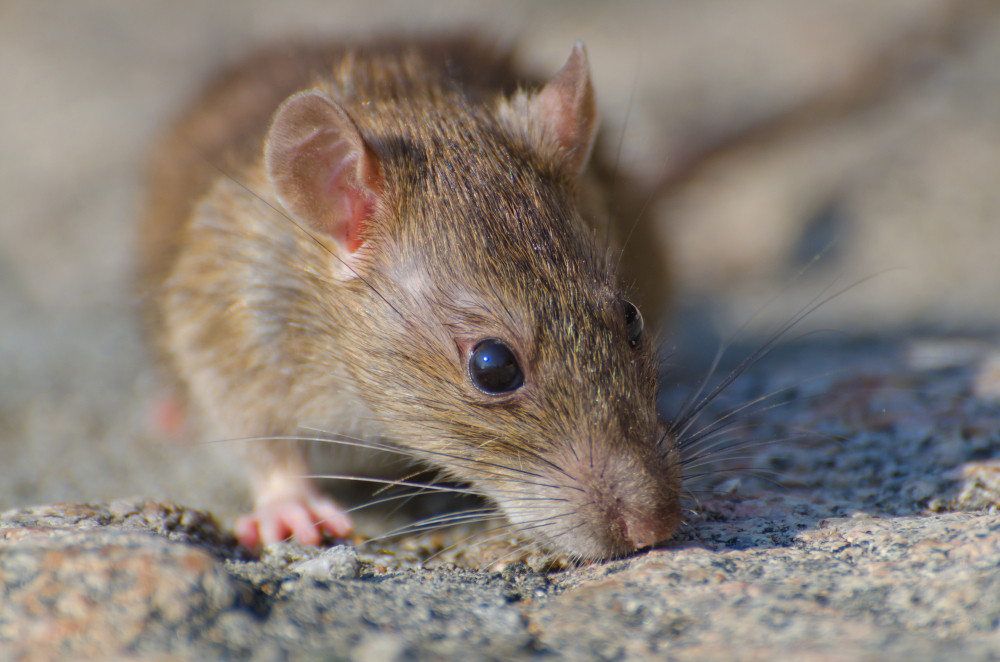

Zoonoses are diseases caused by germs that spread from animals to humans. While some of these diseases are mild and cause only minor illness, others can be fatal and life-threatening.
How Zoonotic Diseases Are Transmitted
According to the CDC, zoonotic diseases are caused by germs such as viruses, bacteria, parasites, and fungi. These germs can spread in several ways, including:
-
Direct contact, such as touching, petting, or being exposed to the saliva, blood, or urine of an infected animal, or being scratched or bitten by an animal.
-
Indirect contact, such as cleaning animal cages or being exposed to contaminated water or soil.
-
Insect, mosquito, or tick bites.
-
Consuming contaminated food or drink due to improper cooking, pasteurization, or inadequate washing.
How to Prevent Contracting Zoonotic Diseases
Everyone is at risk of contracting zoonotic diseases, even healthy individuals. However, children, seniors over 65, immunocompromised individuals, and pregnant women are at higher risk. Therefore, it's essential to understand how to protect yourself and your family from these infections.
- Washing Your Hands
It is crucial to wash your hands with clean water and soap after touching animals or cleaning their living spaces. Hand sanitizer alone may not effectively kill germs, so it's important to clean your hands thoroughly with soap and water for at least 20 seconds. If soap and water aren’t available, use a hand sanitizer that contains at least 60% alcohol.
- Managing Waste
Proper waste management is key when keeping pets. For example, clean litter boxes daily to prevent certain organisms like Toxoplasma gondii, found in cat feces, from becoming infective. Similarly, regularly clean up dog feces to prevent the spread of parasites.
- Washing and Thoroughly Cooking Food
Certain foods like eggs, vegetables, and fruits may come into contact with animal waste. Therefore, washing and cooking these items properly is essential. Use food-grade dishwashing soap to wash vegetables and fruits that may have direct contact with animal feces.
- Managing Fleas
Fleas can be transferred from animals to humans, and flea bites increase the risk of infection. Control fleas on your pet by using pet-safe medications and regularly cleaning beds and sofas to prevent fleas from breeding and causing diseases.
- Avoid Mosquito Bites
Wear long-sleeved clothing and apply mosquito repellent when spending time outdoors to avoid bites that can transmit diseases like dengue fever, malaria, or chikungunya. It’s also vital to clean pools or water reservoirs to prevent mosquitoes from breeding and spreading these diseases. In areas with ongoing outbreaks, consider using mosquito nets over windows or sleeping under mosquito nets.
- Vaccinating Animals and Visiting the Veterinarian
There are vaccines available for pets that help prevent the transmission of diseases to humans or the contraction of diseases from other animals. Make sure to visit a veterinarian and have your pet vaccinated as recommended. Avoid treating open wounds without wearing a mask or gloves, and take your pet to the vet if it shows signs of illness.
Maintaining proper hygiene for animals living in human environments is crucial for reducing the risk of infection that could be transmitted to you. Let’s be more vigilant in taking care of our pets and their surroundings!
Looking for more information about other diseases? Click here!
- dr Hanifa Rahma
University of illinois Urbana-Champaign (2021). Preventing Zoonotic Diseases. Available from: https://animalcare.illinois.edu/standards/preventing-zoonotic-diseases
CDC (2021). Zoonotic Diseases. Available from: https://www.cdc.gov/onehealth/basics/zoonotic-diseases.html
WHO (2020). Zoonoses. Available from: https://www.who.int/news-room/fact-sheets/detail/zoonoses
PetMD. Top 10 Ways to Reduce Zoonotic Diseases. Available from: https://www.petmd.com/dog/parasites/ways_to_reduce_zoonotic_diseases
Mary Anne Dunkin (2021). Dengue Fever. Available from: https://www.webmd.com/a-to-z-guides/dengue-fever-reference