
The liver is a vital organ located beneath the ribs on the right side of the abdomen. It regulates many chemical levels in the bloodstream and produces bile, which carries waste away to be removed from the body. The liver also processes blood coming from the stomach and intestines, breaking down and balancing its contents to secrete nutrients and metabolizing medicines into forms that can be used by the whole organs.
Liver disorders due to viruses, long-term heavy alcohol consumption, or obesity can gradually injure the liver and cause scarring (liver cirrhosis). If the damaged liver is left untreated, this damage may progress to liver failure, a life-threatening condition.
In the early stages, liver disorders often cause no symptoms. Signs tend to appear only after injury has begun. To evaluate the extent of damage and current liver health, your doctor may recommend a liver function test.
What Is a Liver Function Test?
A liver function test is a blood test used to help diagnose and monitor liver disease or injury. It measures specific enzymes and proteins in your blood. An abnormal liver function test result does not always mean you have liver disease; clinicians interpret patterns across several enzymes and compare values before concluding anything about your condition.
Benefits of Liver Function Tests
Liver function tests are helpful for assessing liver health, including:
-
Identifying whether a hepatitis virus infection is present in the body
-
Monitoring the course of liver diseases such as viral hepatitis or checking how well treatment is working
-
Estimating the severity of the disease, especially the degree of scarring in the liver
-
Monitoring for possible side effects from medicines
When Are Liver Function Tests Performed?
You may need a liver function test if you develop symptoms of liver disease, such as:
-
Yellowing of the skin and the whites of the eyes (jaundice)
-
Nausea and vomiting
-
Diarrhea
-
Abdominal pain
-
Dark urine
-
Pale stools
-
Fatigue
A liver function test is also appropriate if you are at higher risk because of a family history of liver disease, heavy alcohol intake, taking medications that can harm the liver, or if you notice hepatitis symptoms or other liver disease symptoms.
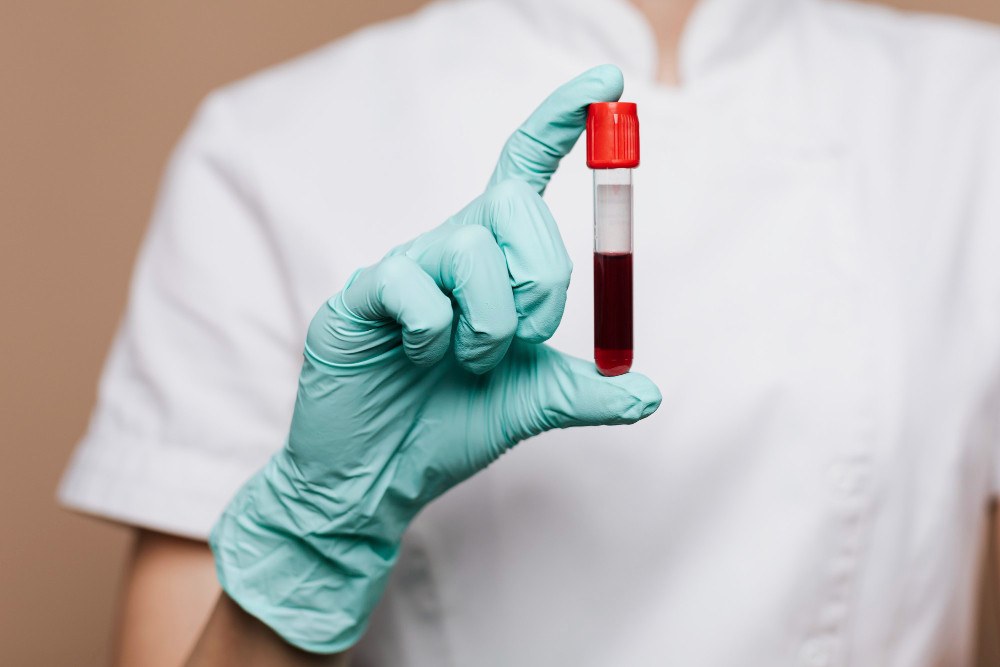
Before having a liver function test, you may be asked to fast for about 10–12 hours. A healthcare professional will then draw a blood sample from a vein in your arm into a blood tube. Side effects are uncommon; at most, you might see a small bruise at the needle site that fades quickly.
If the test results raise concern for hepatitis or another liver disease, your doctor may advise additional tests, such as an ultrasound, CT scan, or a biopsy, depending on your situation.
Liver function tests can help detect problems earlier so you can receive appropriate treatment promptly. If you experience symptoms related to liver disease, or have questions about causes of hepatitis, consult your doctor to discuss how to have a liver function test.
Looking for more information about other diseases? Click here!
- dr Hanifa Rahma
Mayo Clinic (2021). Liver function tests. Available from: https://www.mayoclinic.org/tests-procedures/liver-function-tests/about/pac-20394595
Medline Plus (2021). Liver Function Tests. Available from: https://medlineplus.gov/lab-tests/liver-function-tests/
Daniel Yetman (2022). Liver Function Tests. Available from: https://www.healthline.com/health/liver-function-tests
Mayo Clinic (2022). Liver disease. Available from: https://www.mayoclinic.org/diseases-conditions/liver-problems/symptoms-causes/syc-20374502
John Hopkins Medicine. Liver: Anatomy and Functions. Available from: https://www.hopkinsmedicine.org/health/conditions-and-diseases/liver-anatomy-and-functions