When mosquitoes season comes around, many people start to worry whether HIV infection can be transmitted through mosquito bites. The amount of misinformation that circulates can make it hard to tell which claims are based on facts and which are myths.
This concern is understandable, especially because mosquitoes are known to spread infections such as dengue fever and malaria. However, the way HIV infections spreads to humans can be very different. So, do mosquitoes actually play any role in HIV transmission?
Can Mosquitoes Really Spread HIV?
The short answer is no. According to the CDC, HIV is only transmitted through certain bodily fluids from a person who has HIV, such as blood, semen, vaginal fluids, rectal fluids, and breast milk.
For transmission to happen, these fluids must enter another person’s body through a mucous membrane (for example in the vagina, mouth, or anus), through broken skin, or directly into the bloodstream, such as through a shared needle or syringe.
With this mechanism, it is clear that mosquitoes cannot spread HIV infection. The way mosquito bite are completely different from blood transfusions or sexual intercourse, so that the HIV virus cannot be transmitted through mosquitoes bites.
Why Mosquitoes Cannot Transmit HIV
There are three main reasons why mosquitoes do not spread HIV, even if they have bitten HIV patients:
Mosquitoes do not inject blood into humans
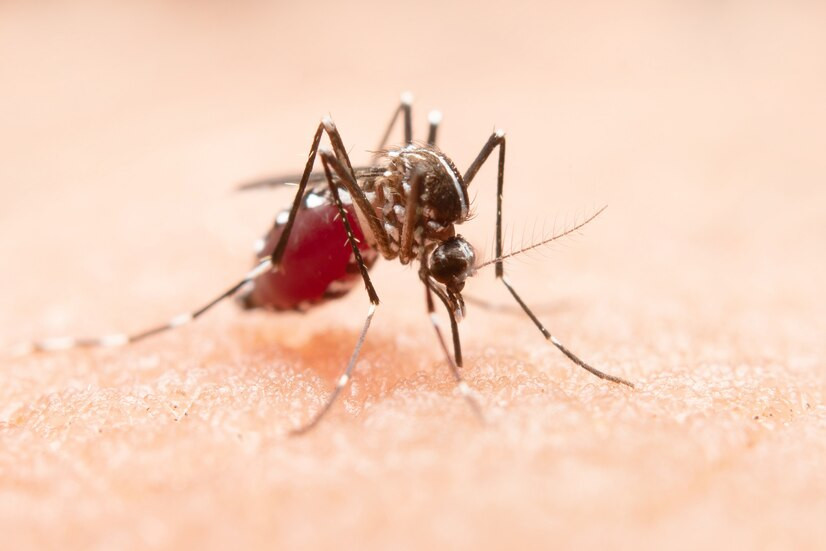
When they bite, mosquitoes will inject saliva, not blood of the previous person they bit. This saliva helps prevent blood from clotting so they can feed more easily. There is no transfer of one's blood into another person’s body.
HIV cannot survive inside mosquitoes
HIV can only multiply in human cells, particularly immune cells called CD4 cells. Mosquitoes do not have these cells, so the virus cannot reproduce in their bodies. Instead, HIV is broken down along with the blood the mosquitoes has ingested in its digestive system.
The volume of blood taken is very small
Mosquitoes draw only a tiny amount of blood, measured in microlitres, which is not enough to transmit HIV. The spread of HIV Infection requires exposure to a sufficient quantity of infected blood, which does not occur with a mosquito bite.
In addition, if a person is currently treated with antiretroviral therapy (ART) and their viral load is undetectable, they cannot spread HIV to others.
Despite strong scientific evidence, myths about HIV transmission through mosquito bites still appear frequently. As a result, people living with HIV often face stigma, as if their presence alone is dangerous to those around them. In reality, HIV is not spread through the air, physical contact such as hugging, through food, or by insect bites.
If you are concerned about HIV infection, it is better to focus on proven prevention methods, such as using condoms, not sharing needles, avoiding multiple sexual partners, and getting tested for HIV if you have had unprotected sex or other risky exposures.
If you have further questions, you can use the health consultation service available on the Ai Care app, which can be downloaded from the App Store and Play Store.
Looking for more information about other diseases? Click here!
- dr Hanifa Rahma
Mayo Clinic (2024). HIV/AIDS. Available from: https://www.mayoclinic.org/diseases-conditions/hiv-aids/symptoms-causes/syc-20373524
NIH (2025). Understanding How HIV is Transmitted. Available from: https://hivinfo.nih.gov/understanding-hiv/fact-sheets/understanding-hiv-transmission
CDC (2024). How HIV Spreads. Available from: https://www.cdc.gov/hiv/causes/index.html
Peter Morales Brown (2024). Can people acquire STIs from mosquito bites?. Available from: https://www.medicalnewstoday.com/articles/can-mosquitoes-carry-stds