Allergic reactions can affect various parts of the body, including the face. Common symptoms of allergies include itchiness, runny nose, eye redness, and hives. Additionally, allergic reactions on the face may lead to conditions such as eczema or swelling. Keep reading to understand the signs of allergy on the face and their potential causes.
Symptoms of Allergic Reactions on the Face
Allergic reactions occur when the immune system overreacts. When a substance that isn't harmful enters the body, the immune system mistakenly identifies it as a threat, triggering symptoms like swelling or itching.
The symptoms of facial allergic reactions can vary depending on the substance that causes them. Some common signs include:
-
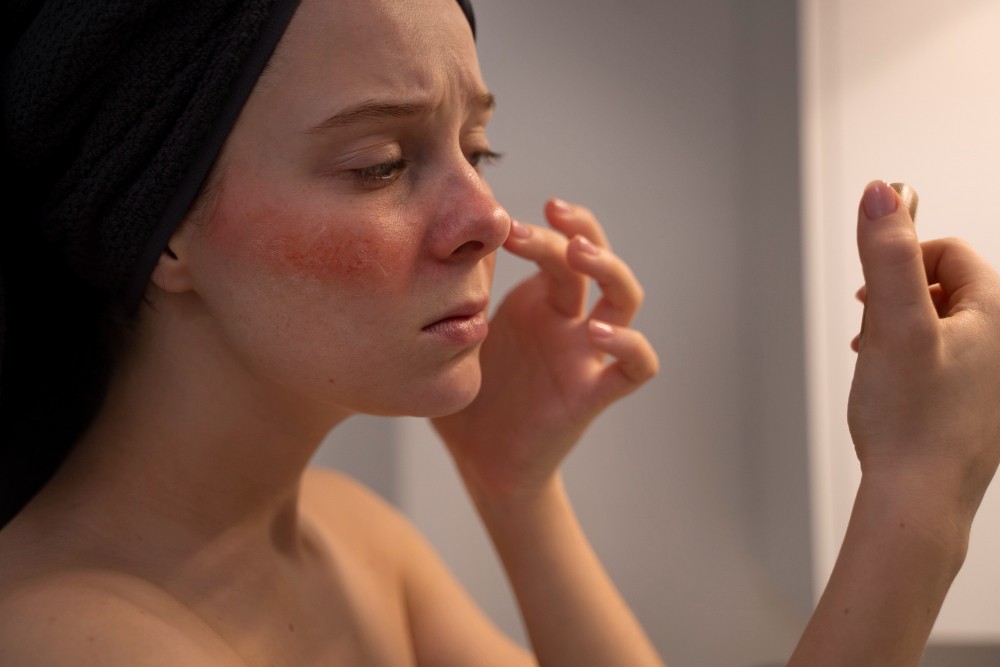
Skin rash or itchiness
-
Swollen, raised areas of skin
-
Small, color-changing patches on the skin
-
Itchy, stinging, or burning sensations
-
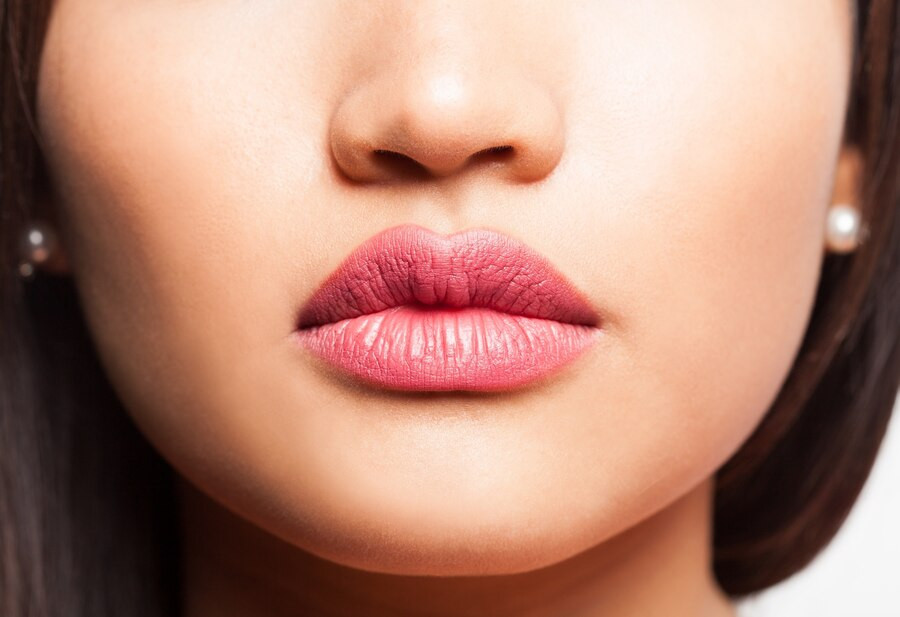
Swollen lips and eyes
-
Swollen tongue
-
Itchiness and redness of eyes
-
Watery eyes
-
Dry or cracked skin
Allergic reactions can develop rapidly, within seconds or minutes, or gradually over a few hours. While most reactions are mild, if they escalate to severe symptoms such as anaphylaxis, it is important to seek medical attention immediately.
Causes of Allergy on the Face
Seasonal Allergies
Seasonal allergies are commonly triggered by fungi and pollen. The intensity of the allergic reactions can be increased during certain seasons, especially when wind and rainfall increase. Typical symptoms include a runny nose, sneezing, nasal congestion, coughing, wheezing, and headaches.
Animals and Insects
Both animals and insects can cause allergic reactions on the face. Allergens from animals, such as dust and proteins found in skin cells, saliva, or fur, can still cause reactions even when the animal is not nearby. These allergen proteins can linger in the environment and trigger symptoms. Common signs of allergic reactions include sneezing, nasal congestion, itching, hives, and rashes, especially around the neck or face.
Food
Certain foods, like eggs, milk, fish, shellfish, and peanuts, can lead to allergic reactions on the face. Symptoms may include swollen and itchy lips, tightness in the throat, hoarseness, nausea, vomiting, diarrhea, and stomach cramps.
Food allergy can sometimes cause anaphylaxis, a severe reaction that involves low blood pressure, difficulty breathing, narrowing of the airways, and nausea and vomiting. Anaphylaxis is a medical emergency that requires immediate treatment. If these symptoms occur, seek urgent medical attention.
Beauty Products
Some beauty products contain fragrances, detergents, and dyes that can trigger allergic reactions. Signs of allergy from these ingredients include itching, rashes, peeling skin, facial swelling, shortness of breath, and irritation in the eyes, nose, and mouth.
Environment
Environmental allergens, such as dust, mold, and metals like nickel and chrome, can cause reactions. These metals are often found in objects like watches and belts. Symptoms of environmental allergies include a runny nose, sneezing, itchy eyes, and difficulty breathing.
Medications
Although this condition is rare, drug allergy can occur, and the severity of the symptoms varies depending on the medication and the body’s sensitivity to it. Medications that may trigger allergic reactions include antibiotics, anti-inflammatory medicines, chemotherapy medicines, and anesthetics. Common symptoms of drug allergies include rashes and facial swelling.
Allergy on the face can be caused by a variety of factors but are generally not harmful. However, if you experience a severe allergic reaction, it’s essential to consult a doctor. You can also use the consultation feature on the Ai Care app, available for download from the App Store or Play Store.
Looking for more information about other diseases? Click here!
- dr Hanifa Rahma
Roth, E. (2024). Possible Causes of an Allergic Reaction on Your Face. Available from: https://www.healthline.com/health/causes-allergic-reaction-face
Zimlich, R. (2024). Causes and Treatments for Allergic Reactions on the Face. Available from: https://www.verywellhealth.com/allergic-reaction-on-face-5248508#
Gill, S. (2023). How to get rid of an allergic reaction on the face. Available from: https://www.medicalnewstoday.com/articles/321376