
Post-traumatic stress disorder (PTSD) is a mental health condition that develops after a person goes through or witnesses a frightening, traumatic experience. Many people that face traumatic events find it hard to cope and adjust afterward, causing them to develop PTSD symptoms such as reliving the event over and over again, having nightmares, feeling anxious, and other emotional or physical reactions.
What are the signs, symptoms, and causes of PTSD? Take a closer look below.
The Signs and Symptoms of PTSD
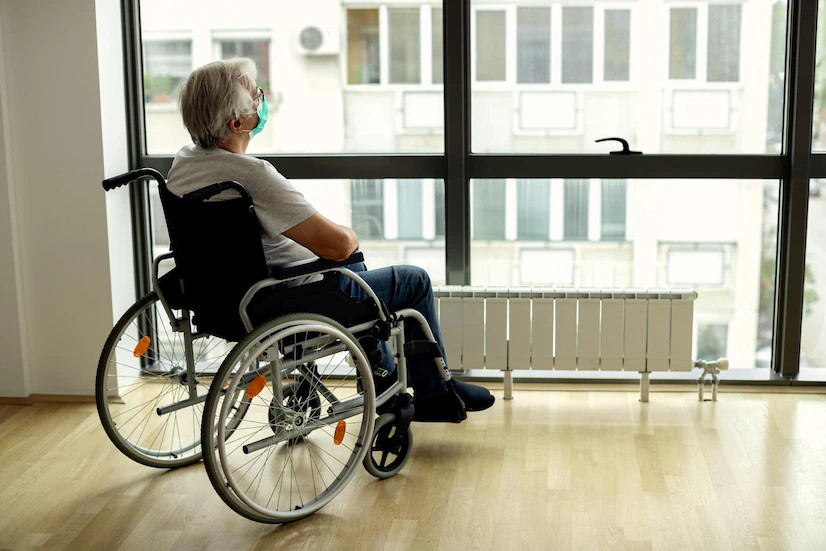
General signs of trauma can often be noticed by observing their daily behavior, especially if you know the person well and are familiar with how they usually act. A person who experiences trauma may withdraw from others, avoid interaction, or fail to respond to questions and comments, almost as if they are not really present.
According to Very Well Mind, some easily observable trauma-related reactions include:
-
Anxiety symptoms such as restlessness, irritability, difficulty concentrating, rapid mood changes, panic attacks, or nightmares in their sleep.
-
Emotional outbursts and unstable moods, for example intense anger or deep sadness.
-
Physical changes such as constant fatigue, a pale appearance, low energy, and a rapid heartbeat.
Some PTSD symptoms that may suggest someone is dealing with this condition include:
-
Frequent intrusive memories or flashbacks of the traumatic event.
-
A strong tendency to avoid anything that reminds them of the event, including thoughts and conversations about it.
-
Persistent negative thoughts and emotions, such as blaming oneself or others for what happened.
-
Easily get startled or angry, even when there is no direct reminder of the trauma.
Causes of PTSD
A person does not always have to be directly involved in a traumatic incident to develop PTSD. Someone may develop PTSD symptoms after witnessing acts of violence or learning that their loved one has died.
Everyday Health notes that several experiences and situations can become causes of PTSD, such as:
-
Sexual abuse: rape, assault, sexual violence, childhood sexual abuse, sexual abuse within a relationship, or sexual harassment in the workplace.
-
Childhood abuse, including both physical and emotional mistreatment.
-
Natural disasters: being directly affected by hurricanes, earthquakes, wildfires, or other severe disasters, and experiencing the grief of losing loved ones or their home.
-
Physical violence: getting beaten or becoming a victim of physical attacks that leave lasting trauma.
-
Threats of violence: robbery, being threatened with a knife, gun, or similar weapons.
-
Serious accidents: involvement in a plane crash, boat accident, major traffic collision, or a traffic accident in a public transportation.
-
Acts of terror: mass shootings or bomb attacks.
-
Medical diagnosis: receiving a life-threatening diagnosis, or grieving the loss of a loved one who died because of an illness.
-
The death of a loved one in any context.
Experts still do not fully understand how traumatic experiences lead to PTSD. However, traumatic stress is believed to cause changes in certain parts of the brain. After a trauma, the brain may have difficulty regulating hormones normally, which can then alter how you respond to stress in the future.
PTSD symptoms can increase or decrease in intensity over time. At certain times you may feel only general stress that can be drown by your daily activities. Later, if something reminds you of the traumatic event, those symptoms can return and feel much stronger. If this happens and the condition worsens, especially if it reaches the point where you think about or attempt self-harm, it is important to seek help immediately by visiting a hospital or consulting a psychiatrist to ask where to seek treatment if you have PTSD. PTSD is treatable, and getting help early can make a big difference.
Looking for more information about other diseases? Click here!
- dr Hanifa Rahma
Matthew Tull, PhD (2021). Causes and Risk Factors of PTSD. Available from: https://www.verywellmind.com/ptsd-causes-and-risk-factors-2797397
Mayo Clinic Staff (2018). Post-traumatic stress disorder (PTSD). Available from: https://www.mayoclinic.org/diseases-conditions/post-traumatic-stress-disorder/symptoms-causes/syc-20355967
Rena Goldman (2018). What Puts You at Risk for Developing PTSD?. Available from: https://www.everydayhealth.com/ptsd/causes-risk-factors-when-seek-help/