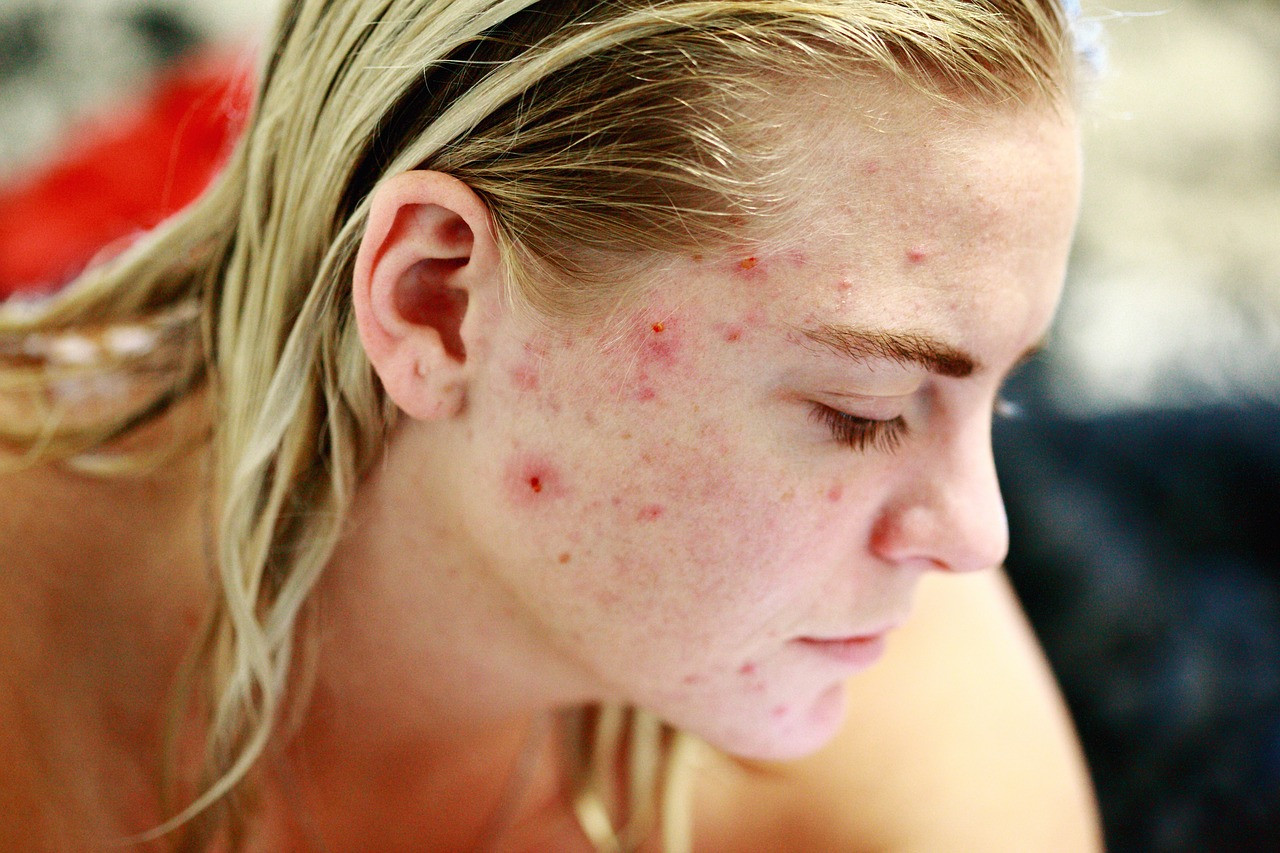
Acne is a very common inflammatory skin condition. It most often appears on the face, forehead, chest, shoulders, and upper back.
Inflammation occurs when excess sebum mixes with bacteria and dead skin cells and then clogs the pores.
According to the Cleveland Clinic, several factors can worsen acne, including:
-
Hormonal changes in the body, especially during the menstrual cycle
-
The habit of squeezing pimples
-
Dirty pillowcases and helmets that stay in contact with the face for long periods
-
Air pollution and shifts in humidity
-
Use of products that lead to excess oil
-
Certain medications
-
Genetic factors
-
Stress related to elevated cortisol
Acne that develops because of hormonal changes is called hormonal acne. It can occur during puberty, throughout many menstrual cycles, and during menopause.
Signs of Hormonal Acne
As reported by Healthline, characteristics include:
-
During puberty, acne breakouts often appear in the T-zone (forehead, nose, and chin).
-
In adults, acne breakouts often appear more on the lower cheeks or around the jawline.
-
In some people, lesions present as blackheads, whiteheads, or cystic acne.
-
Cystic acne sits deeper under the skin and may feel like soft, tender bumps.
Causes of Hormonal Acne
-
Menstrual cycle
-
Polycystic ovary syndrome
-
Menopause
-
Increased androgen levels
Acne can be treated in a number of ways, including conventional and medical treatments.
According to the Cleveland Clinic, medical interventions include the following:
-
Benzoyl peroxide: a gel applied to reduce bacteria. Apply a thin layer to minimize irritation and dryness.
-
Salicylic acid: a lotion that helps treat skin damage and prevents blockage from dead skin cells.
-
Azelaic acid: a wheat-derived acid that helps reduce microorganisms and inflammation.
-
Retinoids: used to keep pores from becoming clogged.
-
Antibiotics: clindamycin or erythromycin to reduce bacteria that drive inflammation; results are better when combined with benzoyl peroxide.
-
Dapsone: a gel with antibacterial properties that helps reduce inflammation.
Natural approaches to treat hormonal acnes from Healthline include:
-
Tea tree oil: may reduce inflammation and help with mild to moderate acne.
-
Alpha hydroxy acids (AHA): found in citrus fruits; help prevent clogged pores related to dead skin cells.
-
Green tea: has anti-inflammatory effects when used topically or taken orally.
To help prevent acne, it is also recommended to limit foods high in sugar, dairy products, simple carbohydrates food source, and red meat.
Looking for more information about other diseases? Click here!
- dr Hanifa Rahma
Kristeen Cherney. 2019. Treatments, Natural Remedies, and More. Available from : https://www.healthline.com/health/beauty-skin-care/hormonal-acne
Jennifer Leavitt, MS. 2018. I’m a Decade Past Puberty, Why Do I Still Have Acne?. Available from : https://www.healthline.com/health/adult-acne
Cleveland Clinic medical professional. 2020. Acne. Available from : https://my.clevelandclinic.org/health/diseases/12233-acne