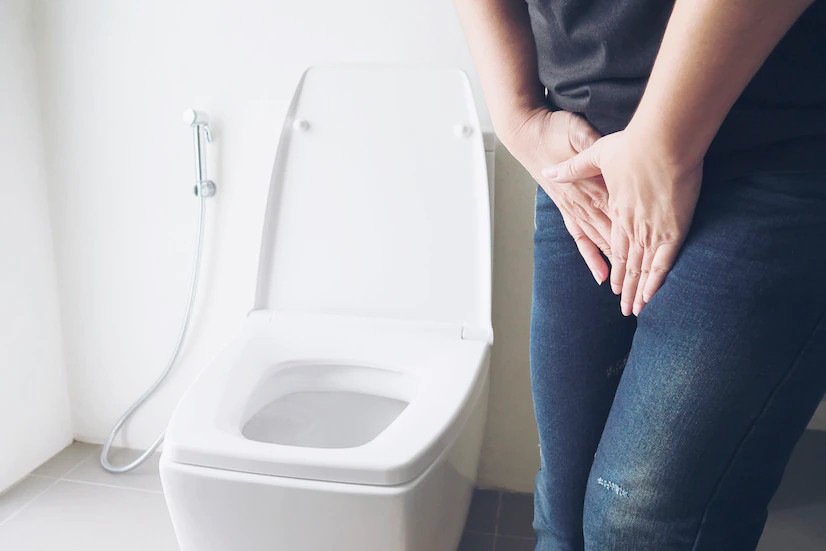
The bladder is a key organ of your body, playing an important part in the excretory system. Unfortunately, many people overlook bladder health and only recognize its importance when bladder diseases occur, such as bladder infections, loss of bladder muscle control, mineral buildup in urine, urinary tract stones, and other bladder-related conditions.
As you age, the bladder condition and function can decline. To help keep it working well into older age, try these simple steps to support bladder health:
1. Drink plenty of water
According to the National Institute on Aging, staying well hydrated with water supports bladder health. Adults are commonly advised to drink at least 8 glasses of water per day, but you can adjust this based on your needs and activity level. Very active people may require more than 8 glasses daily.
Everyday Health notes that drinking adequate water promotes more frequent urination, which helps flush bacteria from the urinary tract.
2. Urinate thoroughly
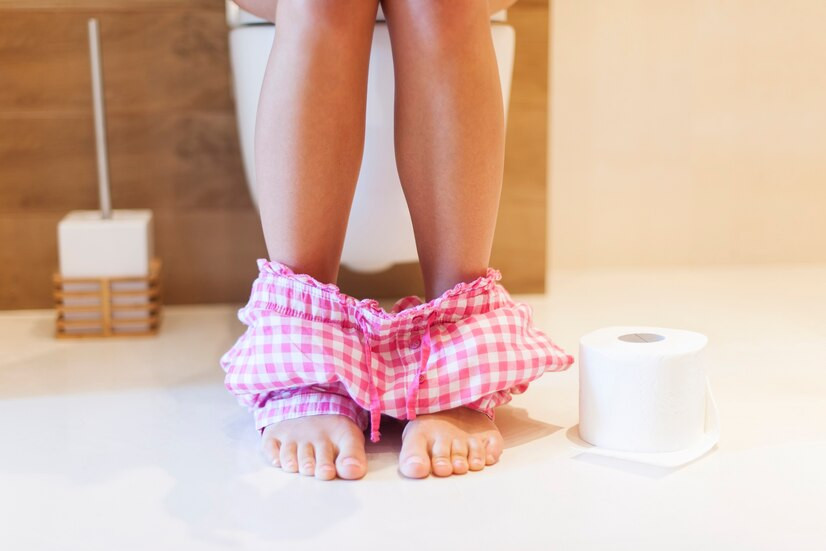
When you use the bathroom, take time to empty your bladder completely. Incomplete urination can allow bacteria that should have been expelled to move back into the bladder and lead to urinary tract infections. Avoid rushing while you are in the toilet so you can fully empty your bladder.
3. Exercise regularly
A sedentary lifestyle increases the risk of fluid retention. This often shows up as frequent nighttime urination as the body tries to clear retained fluid, and as swelling in the feet that suggests fluid retention in the legs. Medication may help, but regular physical activity that you do, especially walking can support healthy muscles and blood vessels. This in turn can reduce fluid buildup in the body.
4. Urinate after intercourse
Sexual activity can increase bacterial buildup around the genitals. If these bacteria enter the urinary tract, they can multiply and cause infection. To lower the risk of urinary tract infections, urinate after intercourse to help flush out bacteria. Afterward, clean the genital area thoroughly to reduce moisture and fungal growth. This is especially important for women, who have a higher risk of urinary tract infections than men; make sure to clean the vagina properly and gently.
5. Quit smoking
Smoking not only harms the respiratory system but can also increases the risk of bladder cancer. Research shows that smokers have around three times risks to develop bladder cancer than non-smokers. If you smoke, work toward cutting back and quitting this habit.
Looking for more information about health tips and tricks, first aid, and other home remedies? Click here!
- dr Hanifa Rahma
WebMD. How You Can Help Your Bladder. Available from: https://www.webmd.com/urinary-incontinence-oab/ss/slideshow-help-your-bladder.
National Institute of Aging. 13 Tips to keep your bladder healthy. Available from: https://www.nia.nih.gov/health/13-tips-keep-your-bladder-healthy.
Everyday Health. 10 Ways to keep your bladder healthy and happy. Available from: https://www.everydayhealth.com/bladder-health-pictures/keep-your-bladder-healthy.aspx.