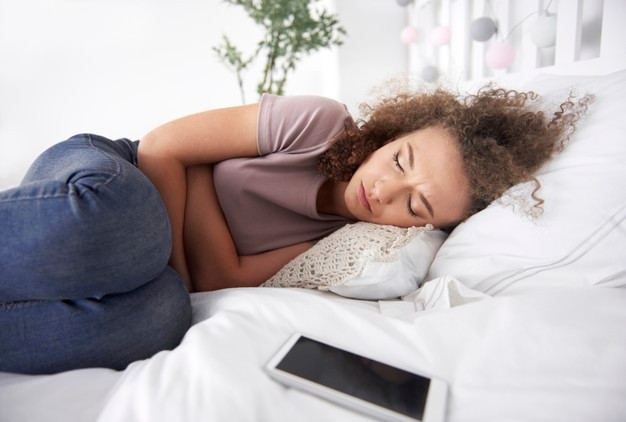
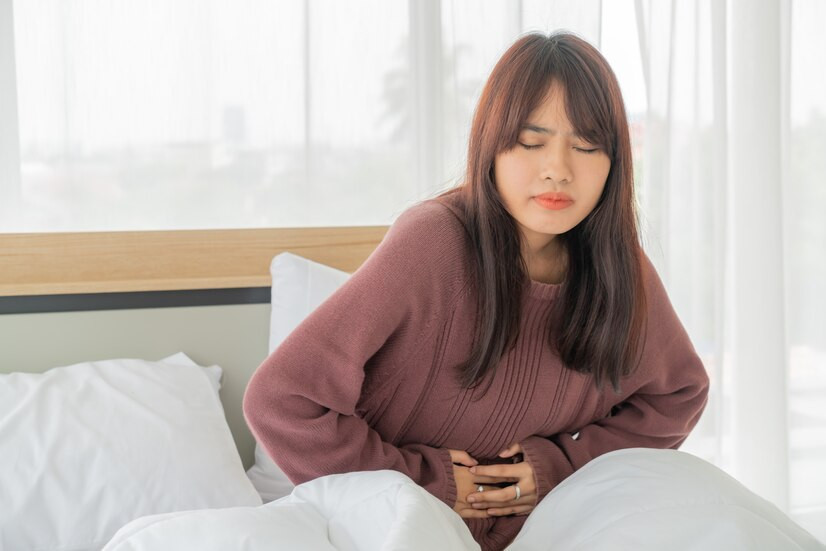
Menstrual pain is common during a period, but its intensity can vary from person to person. Some women experience pain so strong that the pain disrupts their daily activities.
What Does Menstrual Pain Feel Like?
During menstruation, the body releases prostaglandins, hormones that cause the uterine to contract. These contractions help shed the uterine lining and can cause abdominal discomfort, a symptom known as menstrual pain.
The intensity and duration of menstrual pain can differ among women and usually women will feel relief as prostaglandin levels fall.
Menstrual pain often feels like a strong, throbbing sensation in the lower abdomen. It begins on the first day, peaks within 24 hours, and typically improves within 2–3 days.
Pain may be felt in the lower abdomen and lower back. Some women also notice pain that radiates to the back and the upper thighs.
Causes of Severe Menstrual Pain
Severe menstrual pain can be associated with several health conditions, including:
Endometriosis
Endometriosis occurs when tissue similar to the uterine lining grows outside the uterus. This can lead to severe menstrual pain, back pain during and between periods, pain during intercourse, heavy bleeding, difficulty in conceiving a child, and pain during bowel movements.
Endometriosis is most often diagnosed in women aged 25–40 years old, but younger women can be affected as well.
Uterine Fibroids
Uterine fibroids are benign growths of uterine muscle tissues. Benign or non-cancerous growth in uterus is called myomas.
Common symptoms of uterine fibroids include longer and heavier periods, severe cramps, bleeding between cycles, anemia, lower abdominal pain, pain during intercourse, and frequent or persistent urination.
Adenomyosis
Adenomyosis happens when the uterine lining grows into the muscular wall of the uterus. It can cause severe cramps, a sensation of pressure in the lower abdomen, bloating, and heavy menstrual bleeding.
Although adenomyosis is benign and not life-threatening, the pain and heavy bleeding can significantly affect quality of life.
Pelvic Inflammatory Disease
Pelvic inflammatory disease (PID) is an infection of the female reproductive organs. It most often develops when sexually transmitted infections caused by bacteria spread to the uterus, fallopian tubes, or ovaries.
Some women can be asymptomatics or do not notice any symptoms at first. If you have frequent lower abdominal or pelvic pain, heavy and foul-smelling vaginal discharge, bleeding between periods, fever, pain during intercourse, or severe menstrual pain, see a doctor immediately and get checked.
Cervical Stenosis
In some women, a narrow cervical opening restricts menstrual flow and raises pressure inside the uterus. This increased pressure can lead to intense menstrual pain.
Severe cramps can interfere with daily life and reduce quality of life. Seek medical care promptly to identify the cause and start early management to relieve symptoms and improve your condition.
Looking for more information about other diseases? Click here!
- dr Hanifa Rahma
Mayo Clinic (2022). Menstrual cramps. Available from: https://www.mayoclinic.org/diseases-conditions/menstrual-cramps/symptoms-causes/syc-20374938
Jaime Herndon, MS, MPH, MFA (2020). What Do Period Cramps Feel Like?. Available from: https://www.healthline.com/health/what-do-period-cramps-feel-like
Cleveland Clinic (2022). Endometriosis. Available from: https://my.clevelandclinic.org/health/diseases/10857-endometriosis
American College of Obstetricians and Gynecologists (2022). Uterine Fibroids. Available from: https://www.acog.org/womens-health/faqs/uterine-fibroids
Florence Byrd (2022). What Is Adenomyosis?. Available from: https://www.webmd.com/women/guide/adenomyosis-symptoms-causes-treatments
Mayo Clinic (2022). Pelvic inflammatory disease (PID). Available from: https://www.mayoclinic.org/diseases-conditions/pelvic-inflammatory-disease/symptoms-causes/syc-20352594