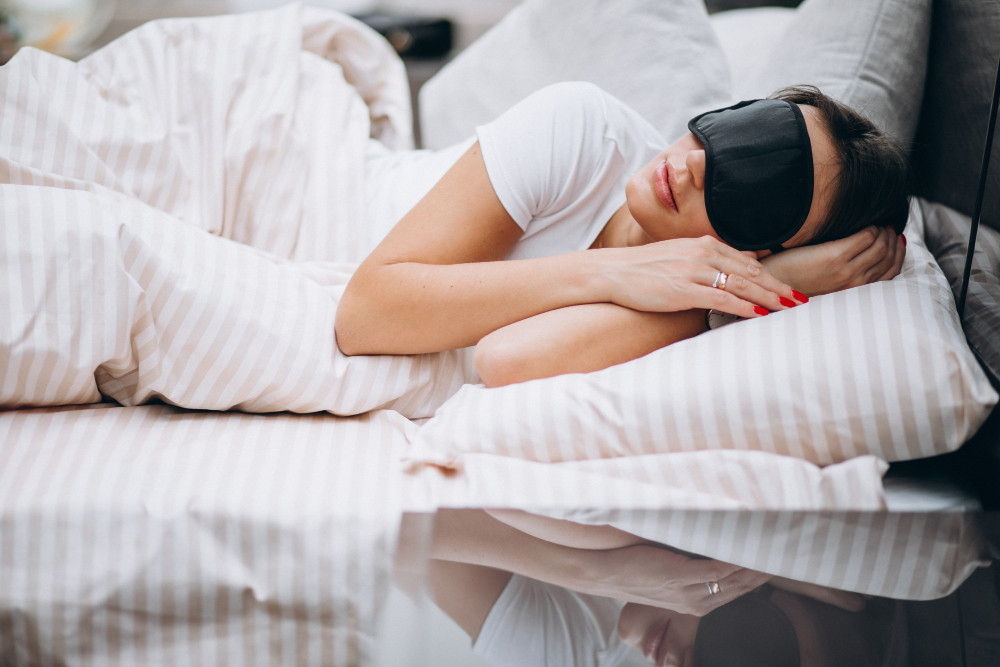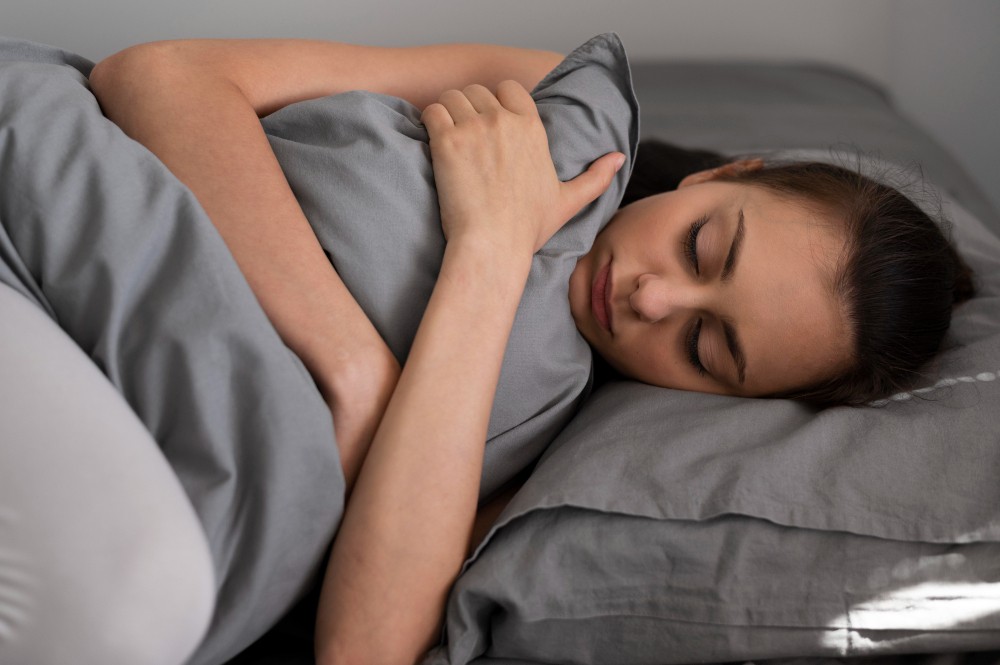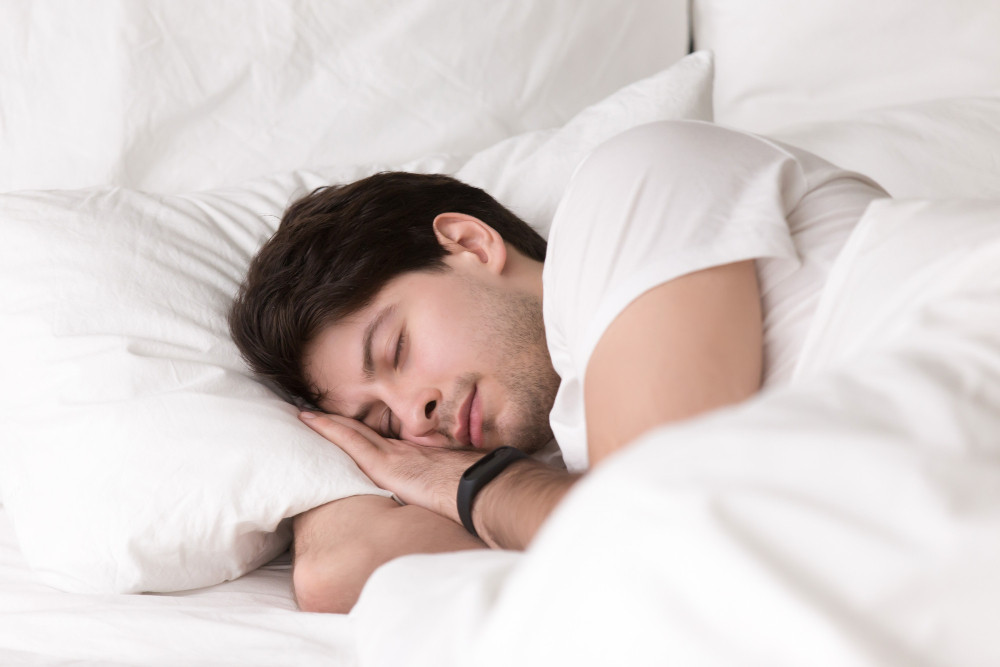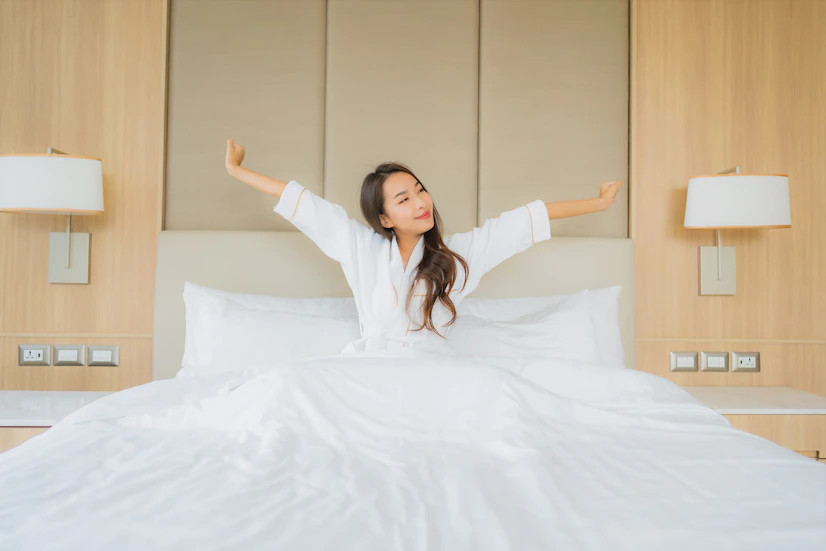
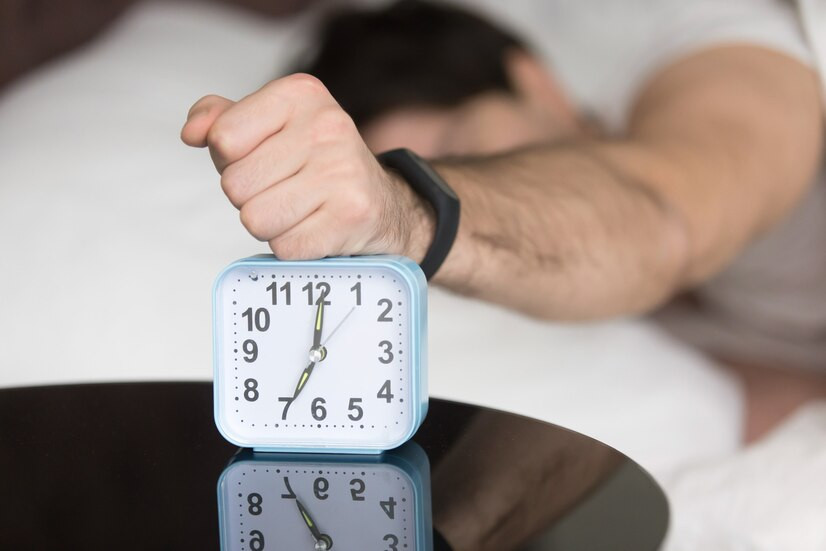
Research shows that adequate, high-quality sleep is essential for health. Most adults need 7–8 hours of sleep per night. Good sleep quality is not only about total hours of sleep, but a consistent sleep schedule also can help you to wake up feeling refreshed.
If you often wake up in the morning and still feel tired or unmotivated, these are some possible causes:
Sleep Inertia
Sleep inertia is a period of grogginess, disorientation, sleepiness, and slower cognitive thinking that appears right after you wake up. It usually lasts 15–60 minutes but can persist for several hours. The exact cause of sleep inertia is unclear, and some researchers consider it a protective mechanism that helps maintain sleep during brief, unwanted awakenings.
Sleep inertia can slower your motoric and cognitive abilities, and this is why it feels impossible to do anything after you wake up.
Sleep inertia is more likely to occur if you had too little sleep, if you woke suddenly from deep sleep, or if you set an alarm earlier than usual.
Blue Light Exposure
Human eyes cannot obstruct blue light exposure, so the eyes will always be exposed to almost all of the blue light. The back of the retina will contact with blue light. The brain will in turn translate the light as images.
Blue light exposure can strongly influence the internal clock of the body. Evening exposure of blue light can suppress melatonin, a hormone that helps you become sleepy, so you will stay awake longer and have more trouble falling asleep.
Common sources of blue light exposure come from electronical devices around you. This include televisions, smartphones, tablets, LED bulbs, and computer monitors.
Uncomfortable Mattress
If fatigue comes with generalized stiffness, your mattress may contribute to the issues you currently experience. Studies suggest that a medium-firm mattress suits many people to have good quality sleep.
Allergens such as dust mites can also reduce sleep quality by provoking sneezing and coughing at night.
Bedroom Temperature
Room temperature significantly affects your sleep quality. According to the National Sleep Foundation, a bedroom with cool temperature can support people to have better night sleep. Many experts recommend to sleep in temperature range of about 15.6–19.4 °C.
Noise
Nighttime noise can heavily impact your sleep quality. Noise exposure can immediately impact your health and cause short-term symptoms the next day. If you keep getting exposed to noise while you sleep, over time, this may have mental and physical consequences.
According to the National Sleep Foundation, noise exposure while you sleep can increase adrenaline and cortisol production, increase heart rate and blood pressure, and lead to awakenings with difficulty in returning to sleep.
Drinking Too Much Caffeine
Caffeine is a stimulant that increases alertness. Having large amounts of caffeine intake, especially late in the day, can make it harder to fall asleep. This can cause you to have an increase of nighttime trips to the bathroom.
Coffee is not the only beverage that has caffeine, a cup of tea, hot chocolate, and caffeinated sodas can also contribute to sleep issues. Make sure to limit how much you drink caffeinated beverages and only drink them in the morning or at the afternoon, hours long before your bedtime.
Sleep disorders might also result in persistent fatigue during sleep. A doctor's diagnosis and therapy are required to determine whether you have a sleep disorder. Do not be reluctant to seek medical assistance from a doctor if you frequently wake up exhausted and have trouble falling asleep at night.
Looking for more information about other diseases? Click here!
- dr Hanifa Rahma
Adrienne Santos-Longhurst (2019). Why Do I Keep Waking Up Tired?. Available from: https://www.healthline.com/health/how-much-deep-sleep-do-you-need
ODPHP (2022). Get Enough Sleep. Available from: https://health.gov/myhealthfinder/topics/everyday-healthy-living/mental-health-and-relationships/get-enough-sleep
Danielle Pacheco (2022). Sleep Inertia. Available from: https://www.sleepfoundation.org/how-sleep-works/sleep-inertia
Maureen Salamon (2020). How Blue Light Affects Your Sleep. Available from: https://www.webmd.com/sleep-disorders/sleep-blue-light
Danielle Pachecho (2022). The Best Temperature for Sleep. Available from: https://www.sleepfoundation.org/bedroom-environment/best-temperature-for-sleep
Alexa Fry (2022). How Noise Can Affect Your Sleep Satisfaction. Available from: https://www.sleepfoundation.org/noise-and-sleep