
Definition
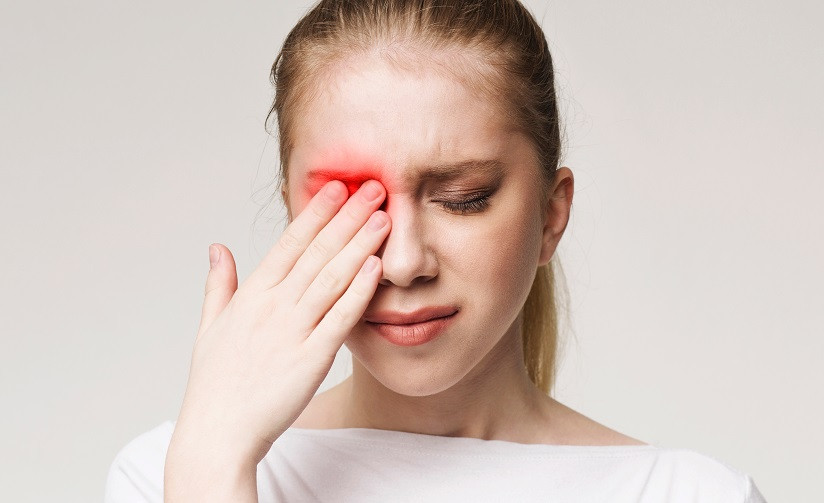
Blepharitis is an inflammation limited to the eyelids, which can occur in the anterior (front) part, affecting the eyelid skin and base of the eyelashes, or in the posterior (back) part, affecting the Meibomian glands, the oil glands within the inner eyelids. Blepharitis is generally a chronic condition that can recur and can affect all ages, genders, and ethnicities. It is also relatively common, with an estimated 25 million people in the United States alone experiencing blepharitis.
Causes
Blepharitis can be categorized by cause. The first type is staphylococcal blepharitis, caused by the bacterium Staphylococcus aureus, which can form colonies on the eyelid and produce toxins that trigger inflammation. Another type, seborrheic blepharitis, often affects older adults, with an average age of onset around 50 years. This type is caused by dandruff that accumulates at the base of the eyelashes. Blepharitis can also result from Meibomian gland dysfunction. In other cases, it may be caused by Demodex mites living on the eyelashes.
Risk Factor
Blepharitis risk factors may include eye and skin conditions. Dry eye syndrome is a condition that can increase the risk of developing blepharitis. This condition affects approximately fifty percent of all people with staphylococcal blepharitis. This happens because dry eye syndrome reduces the tear layer, which protects the eyes from bacteria. Furthermore, approximately 25-40% of people with seborrheic blepharitis and Meibomian gland dysfunction suffer from this condition. In Meibomian gland dysfunction, the formed tear layer evaporates too quickly, causing the eyes to become dry.
Acne rosacea and seborrheic dermatitis are two skin conditions that can increase the risk of developing blepharitis. Acne rosacea is defined by facial skin redness, increased visibility of blood vessels, and the presence of acne. Meanwhile, seborrheic dermatitis is an inflammatory skin condition that causes scaly, reddish, and flaky skin.
Symptoms
Common symptoms of blepharitis include:
- Pain
- Itching
- A burning or gritty sensation in the eyes
- Red, swollen eyelids with excessive discharge
- Sensitivity to light
- Occasionally blurred vision
Symptoms may last from several days to weeks. In staphylococcal blepharitis, the eyelid margins appear red, with eyelashes falling out or growing in different directions. In seborrheic blepharitis, the eyelid margins are less red but produce more oily discharge.
Diagnosis
A doctor can diagnose blepharitis through physical examination, which may reveal eyelash loss, discharge on the eyelashes, misdirected eyelashes, and excessive eye discharge. Lifting the eyelid may show enlarged, oily Meibomian glands, along with red eyes from conjunctival blood vessel dilation and small corneal erosions.
In addition to an eye exam, the doctor may perform a tear break-up time test to see if tears evaporate too quickly. A time below 10 seconds suggests rapid tear evaporation.
In severe cases, a microscopic examination of an extracted eyelash may be done to detect Demodex mites. The doctor may also perform a biopsy on the eyelid margin to check for conditions like seborrheic dermatitis, staphylococcal blepharitis, or potential malignancy.
Management
Blepharitis management can be done at home with the following methods:
- Warm Compresses. Moisten a clean cloth with warm water, wring it out, and place it over closed eyes for about a minute. This softens the eye discharge, making it easier to clean, and helps prevent oil buildup at the glands' openings.
- Eyelash Cleaning. Clean the eyelashes with a clean cloth or cotton swab moistened with warm water. Gently scrub the eyelash edges for about 15 seconds.
- Eye Drops. If you have dry eyes, you can use artificial tears, applying one drop six times a day. These can be purchased over the counter to protect the eyes from bacteria and reduce redness, swelling, and dryness.
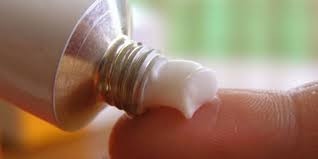
In addition to the above, doctors may prescribe antibiotics, which can be taken orally or as an ointment. To apply ointment, wash hands thoroughly, squeeze a small amount onto a clean finger or cotton swab, and gently apply to the lash line near the skin. This is typically applied before bed or as advised by a doctor.
Complications
Blepharitis complications can include eyelash and eyelid complications, as well as problems with the eyes themselves. Blepharitis can result in trichiasis, a condition in which the eyelashes grow in the wrong direction. Epilation or plucking of incorrectly growing eyelashes can treat trichiasis. Blepharitis can also cause the eyelids to turn inward (entropion) or outward (ectropion). Both of these increase the risk of an eye infection.
Blepharitis can result in conjunctivitis, an inflammation of the conjunctiva, the clear membrane lining the inside of the eyelids and the white of the eye (sclera). Furthermore, blepharitis can result in keratitis, or corneal inflammation, as a result of dirt or eyelash scratches.
These scratches can cause more than just keratitis; they may also disrupt the corneal curve, resulting in astigmatism, a refractive disorder characterized by blurred vision at all distances. In severe cases, blepharitis can cause corneal perforation, or the formation of a hole in the cornea. Keratitis and corneal perforation conditions result in blurred vision.
Prevention
As a chronic condition that may recur, prevention of blepharitis involves maintaining clean skin and eyelids. Daily eyelid hygiene steps include:
- Cleanse eyelashes daily with diluted baby shampoo in warm water
- Wash hair, scalp, and eyebrows daily with antibacterial shampoo
When to See a Doctor?
Consult a doctor if you experience itching, grittiness, or burning sensations in the eyes, along with swollen eyelids despite clean hygiene practices, or if symptoms do not improve with blepharitis treatment.
Looking for more information about other diseases? Click here!
- dr. Alvidiani Agustina Damanik
Blepharitis - Symptoms and causes. (2020). Retrieved 14 October 2021, from https://www.mayoclinic.org/diseases-conditions/blepharitis/symptoms-causes/syc-20370141.
Boyd, K. (2021). What Is Blepharitis?. Retrieved 14 October 2021, from https://www.aao.org/eye-health/diseases/what-is-blepharitis.
Lowery, R. (2019). Adult Blepharitis: Background, Pathophysiology, Epidemiology. Retrieved 14 October 2021, from https://emedicine.medscape.com/article/1211763-overview#showall.
Putnam, C. (2016). Diagnosis and management of blepharitis: an optometrist’s perspective. Clinical Optometry, Volume 8, 71-78. doi: 10.2147/opto.s84795.
Tonk, R., Fowler, B., Johnson, J., Chang, V., Bunya, V., & Hossain, K. (2021). Blepharitis - EyeWiki. Retrieved 14 October 2021, from https://eyewiki.aao.org/Blepharitis#:~:text=infection%20and%20inflammation.-,Epidemiology,surveyed%20had%20signs%20of%20blepharitis.

/62c7b14af1315.jpg)