
Other Names/Brands
Apidra, Insulatard HM, Insuman Basal, Insuman Comb 25, Insuman Comb 30, Insuman Rapid, Lantus, Mixtard 30 HM, and Sansulin
Mechanism of Action
Injectable insulin works by mimicking the natural insulin hormone produced by the pancreas. After being injected into the fatty tissue under the skin, insulin is slowly absorbed into the bloodstream.
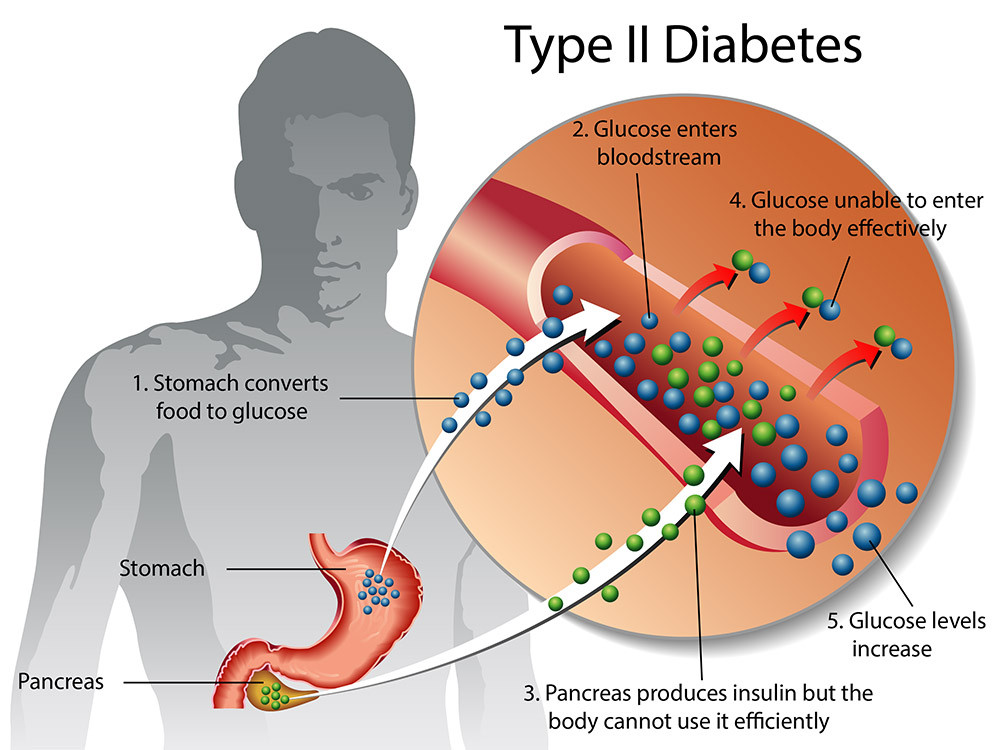
Inside the body, insulin helps cells in the muscles, liver, and fat tissue take up glucose from the blood and use it for energy or store it, thus lowering and maintaining controlled blood sugar levels.
Indications
Injectable insulin is indicated to help control blood sugar levels in people with diabetes, especially those with type 1 diabetes, whose bodies cannot produce insulin at all.
In type 2 diabetes, injectable insulin is used when oral medications are no longer sufficient to maintain stable blood sugar levels or in certain circumstances such as severe infections, surgery, pregnancy, or very high blood sugar levels. Insulin is also prescribed for certain medical conditions that interfere with the body's production or use of insulin.
Contraindications
Injectable insulin is generally safe to use and does not have many absolute contraindications. However, there are several conditions that require caution in its use.
Insulin should not be used for hypoglycemia until blood sugar levels have returned to normal. Individuals with allergies to insulin or any of the components in the formulation should also avoid it.
Insulin use in certain conditions, such as severe liver or kidney dysfunction, or in patients who have difficulty recognizing the symptoms of hypoglycemia, requires close medical supervision.
Side Effects
The most common side effect of injectable insulin is hypoglycemia, which can cause symptoms such as trembling, cold sweats, dizziness, or weakness.
Other possible side effects include reactions at the injection site, such as redness, swelling, or mild pain.
Long-term insulin use can also cause lipodystrophy, a change in the fatty tissue at the injection site if the injection site is not changed frequently. In rare cases, allergic reactions can occur.
Preparations
Injectable insulin preparations are available in several forms to facilitate use according to patient needs. The most common form is a vial used with an insulin syringe.
Many patients now use insulin pens, which are more practical and accurate in administering doses. Some types of insulin are also available in cartridge form, which can be inserted into the pen, as well as prefilled pens that contain ready-to-use insulin.
Each preparation is usually available in various concentrations, such as U-100 or U-200, and is selected based on the type of insulin and the recommendations of your healthcare provider.
Dosage
The dose of injectable insulin is determined individually for each patient based on blood sugar levels, type of diabetes, weight, diet, and daily activity. Doctors typically start with a low dose and then slowly adjust it until blood sugar levels reach a safe target.
The type of insulin used can be rapid-, intermediate-, or long-acting and is often combined as needed. Regular blood sugar monitoring remains essential to ensure accurate dosing and prevent hypoglycemia.
Safety of Drug
In the FDA's pregnancy classification, injectable insulin is classified as pregnancy category B, meaning animal studies have not demonstrated a risk to the fetus, and there is no controlled evidence in pregnant women showing a harmful effect. Drugs in this category are generally considered safe to use during pregnancy when needed to control diabetes.
Drug Interactions
Injectable insulin can interact with several medications that affect blood sugar levels. Medications such as corticosteroids, diuretics, or thyroid hormones can increase blood sugar, sometimes requiring insulin dosage adjustments.
Medications such as oral antidiabetics, aspirin, or some antibiotics can lower blood sugar and increase the risk of hypoglycemia when used in combination with insulin.
Looking for more information about other drugs? Click here!
- dr. Alvidiani Agustina Damanik
Diabetes Australia. (2022, Juli). Diabetes quick guides: Insulin (Version 3.0). Primary Health Tasmania. https://www.diabetesaustralia.com.au/wp-content/uploads/220145-Diabetes-Quick-Guides_insulin.pdf
Gorska‑Ciebiada, M., Masierek, M., & Ciebiada, M. (2020). Improved insulin injection technique, treatment satisfaction and glycemic control: Results from a large cohort education study. Journal of Clinical & Translational Endocrinology, 19, 100217. https://doi.org/10.1016/j.jcte.2020.100217
Mingaramed. (2023). Diabetes: insulin injections [PDF]. https://www.mingaramed.com.au/wp-content/uploads/2023/04/diabetes-insulin-injections.pdf
National University Hospital (NUH). (n.d.). How to draw and inject insulin from a vial [PDF]. NUH. https://www.nuh.com.sg/docs/nuhlibraries/content-document/care-at-nuh/specialties/endocrinology/how-to-draw-and-inject-insulin-from-a-vial.pdf