
Definition
Urea is a waste product formed in the liver during the breakdown of protein. Once formed, urea enters the bloodstream and is carried to the kidneys, where it is filtered and eventually excreted in the urine. If the liver or kidneys are not functioning properly, the body may not be able to filter urea efficiently, leading to changes in urea levels.
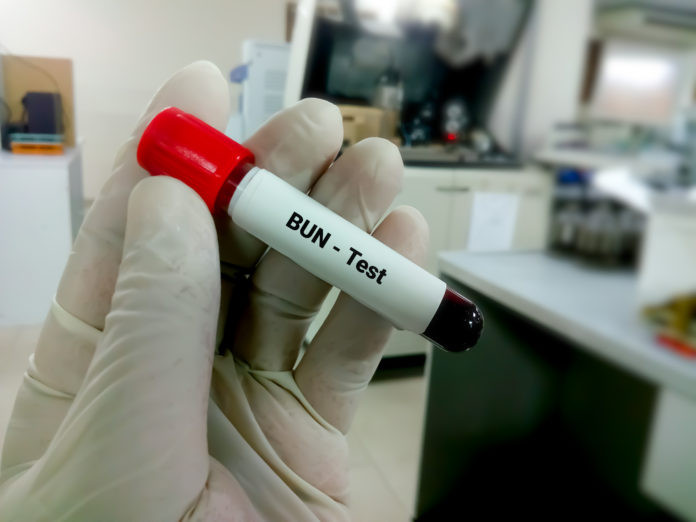
The urea clearance test is a kidney function test used to measure how well your kidneys are clearing urea from the blood. While it is similar to other kidney function tests like measuring glomerular filtration rate (GFR), urea clearance is not exactly the same as GFR. Some of the urea filtered by the kidneys may re-enter the bloodstream, which is why this test is distinct from the standard GFR measurement. Blood urea nitrogen (BUN) is often used to evaluate urea levels in the blood.
Indication
The urea clearance test is recommended by your doctor if you need to assess the health and function of your kidneys or monitor the success of a treatment. It is particularly useful for:
-
Checking kidney function
-
Identifying kidney disorders or diseases
-
Monitoring kidney health
-
Diagnosing conditions that affect kidney function
This test can also help evaluate your protein balance, offering insights into kidney disorders such as nephritis (inflammation of the kidneys), tubular necrosis (kidney failure), and nephrosclerosis (hardening of the kidneys).
Contraindication
There are no specific contraindications related to the urea clearance test, making it generally safe for most individuals to undergo.
Preparation Before the Test
The urea clearance test does not require any special preparation, but you will be asked to fast for a few hours prior to the test. It is important to inform your doctor about any medications, supplements, or vitamins you are currently taking, as they may impact the test results.
Test Procedure
The urea clearance test involves collecting urine samples over a 24-hour period, often referred to as the "24-hour sample test." The following steps outline how you should collect and store the urine sample:
-
On the first day, urinate as usual but do not collect this urine. Note the time you first urinate in the morning.
-
For the next 24 hours, collect all your urine in the provided special container. During this time, store the collected urine in the refrigerator, cooler, or in a cool box with ice cubes.
-
On the second day, after waking up, collect and store your morning urine sample in the container.
-
After completing the 24-hour collection, return the sample container and your collected urine to the laboratory for testing.
In newborns, cleaning the urine area will come out of the body.
- Open the urine container bag (bag bag with adhesive paper at the end)
- For men, put all penises into bag bags and attach adhesive to the skin
- For women, place the bag under labia
- Install pampers as usual.
- In an active baby, urine samples can move to pampers so that a deeper bag is needed to collect urine samples
Next, immediately submit a urine sample to your laboratory for further examination. There is no risk related to ureum examination in urine.
The examination ofureum in the blood (BUN) was carried out in conjunction with a urine examination, carried out after a urine examination was carried out. Laboratory officers will clean your arm with sterile alcohol and take a little of your blood from a venous blood vessel in the arm using a sterile syringe or on the tip of your finger. In the baby, blood is drawn on the heel.
Subsequently, blood will be put into the blood cylinder and examined by officers with special equipment in the laboratory. The process of taking blood samples is usually less than 5 minutes and you can continue the usual activity. The risk of examination in the blood is very small. Some people feel pain, dizziness, and bruises during blood collection. However, this usually disappears quickly.
Normal and Abnormal Values
Normal urea clearance test values range from 12 to 20 grams per 24 hours (or 428.4 to 714 mmol/day). However, normal values may vary slightly depending on the laboratory conducting the test. Urea clearance test results are considered abnormal if they fall outside the normal range, either being lower than the minimum limit or higher than the upper limit.
Results and Recommendations (Further Testing)
Low Urea Clearance
If the test results show low urea clearance, this could indicate:
-
Kidney problems or impaired kidney function.
-
Malnutrition, particularly due to insufficient protein intake.
Normal Urea Clearance
Normal urea clearance results indicate that your kidneys and liver are functioning well and your body is in good balance. To maintain your health, continue consuming a balanced diet, engaging in regular physical activity, and having regular health check-ups.
High Urea Clearance
If your test results show high urea clearance, this could be influenced by:
-
Increased protein breakdown in the body.
-
Excessive protein intake.
-
Dehydration or lack of body fluids.
Consult the Right Doctor
If your urea clearance test results are abnormal, it’s important to consult a general practitioner for a proper diagnosis and treatment. Your doctor will evaluate other factors, such as your diet, lifestyle, medications, and any health conditions (such as pregnancy) that may be affecting your urea levels.
Looking for more information about laboratory, radiology, and other examination results? Click here!
- dr Hanifa Rahma
Urea Nitrogen Urine Test. (2021). Retrieved 30 August 2022, from https://medlineplus.gov/ency/article/003605.htm
Urea Nitrogen Clearance (Urine). (2022). Retrieved 30 August 2022, from https://www.urmc.rochester.edu/encyclopedia/content.aspx?ContentTypeID=167&ContentID=urea_nitrogen_urine#:~:text=What%20is%20this%20test%3F,your%20body%20in%20your%20urine.
Urine Urea Nitrogen Test. (2018). Retrieved 30 August 2022, from https://www.healthline.com/health/urea-nitrogen-urine#process
Blood Urea Nitrogen (BUN) Test. (2018). Retrieved 30 August 2022, from https://my.clevelandclinic.org/health/diagnostics/17684-blood-urea-nitrogen-bun-test