

Definition
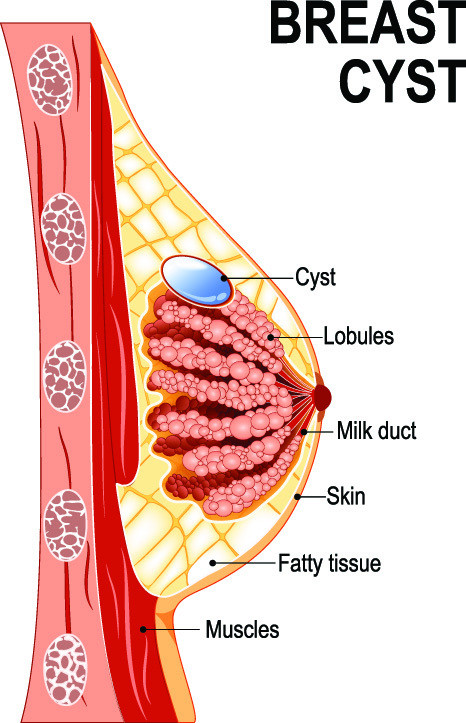
Gigantomastia, also known as macromastia or breast hypertrophy, is a rare condition in women that causes the breasts to become excessively large. In the United States, there have only been around 300 reported cases of gigantomastia, and there have been no reported cases in Indonesia.
Unlike gynecomastia, gigantomastia occurs in women and leads to abnormally large breast size. For more information on gynecomastia, you can read the Ai Care article Gynecomastia Disease - Definition, Cause, Symptom, And Laksana.
This condition affects individuals both physically and psychologically, as it can impact a person's perception of their own body. In some cases, gigantomastia occurs in women who have recently given birth due to hormonal changes and the breastfeeding process. The enlargement of the breasts in gigantomastia cases usually happens very quickly and is disproportionate. The rate of breast growth can vary, ranging from a few weeks to several years. The enlarged and growing breast tissue is usually benign and not indicative of cancerous tissue.
Gigantomastia can occur during puberty, pregnancy, or as a result of certain treatments. In some cases, it can occur spontaneously, with no known cause.
Causes
The exact cause of gigantomastia is still unknown. However, researchers suggest that gigantomastia may be associated with the following conditions:
- Hormonal changes (such as during puberty and pregnancy)
- Certain medications (such as penicillamine or bucillamine)
- Autoimmune conditions like lupus or arthritis
- Extreme obesity
- Genetic factors
Risk Factor
The risk factors for gigantomastia include:
- Caucasian ethnicity
- Multiple pregnancies (history of more than one pregnancy)
- Having an autoimmune disease
- Being in the first or second trimester of pregnancy
- High serum prolactin levels in the body
- History of cancer or malignancy
- History of liver damage
- Hypersensitivity or increased sensitivity of certain receptors (parts of the cells) to specific hormones
Symptoms
Gigantomastia can cause discomfort both physically and psychologically. Other common symptoms include:
- Infections or sores on the breast skin, especially under the breast
- Neck and back pain caused by the downward pull of the breasts
- Poor posture
- Breast pain or mastalgia
- Pain and itching in areas where the bra straps contact the skin
Gigantomastia is characterized by:
- Excess breast tissue weighing at least 2–2.5 kilograms
- Excess breast tissue accounting for more than 3% of total body weight
Diagnosis
To diagnose gigantomastia, a doctor will conduct a patient interview (anamnesis), perform a physical examination, and may recommend additional tests.
Gigantomastia can be categorized into four types:
- Juvenile gigantomastia: Sudden breast enlargement occurring during puberty.
- Gestational gigantomastia: Sudden breast enlargement occurring during pregnancy.
- Drug-induced gigantomastia: Sudden breast enlargement after taking certain medications.
- Idiopathic gigantomastia: Sudden breast enlargement with no known cause, which can occur outside of puberty or pregnancy.
A doctor will conduct a general physical examination and a localized breast examination to assess breast size, any changes in skin color or texture, and any discharge from the nipple.
If a doctor suspects an underlying condition contributing to gigantomastia, they may recommend additional tests, such as blood tests to measure hormone levels (e.g., prolactin) or to check for autoimmune disease indicators.
Management
Treatment for gigantomastia depends on the cause and condition of the patient. The risks and benefits of each treatment option will be discussed beforehand. If the breast size is excessively large and causes physical or psychological discomfort, a doctor may consider surgical intervention to reduce breast size or prescribe medications to treat gigantomastia.
Some medications can stop the growth of breast tissue, but they are only available with a prescription, so consultation with a doctor is necessary.
Surgical procedures to reduce breast size can also be performed. A surgeon may make an incision in the breast to remove excess fat, breast tissue, and skin. Once the breast size is reduced, the surgeon will close the incision with sutures. The nipple and areola will be adjusted to match the new breast size. This procedure can take several hours.
In cases of recurrent gigantomastia, a doctor may recommend a mastectomy, a permanent surgical removal of breast tissue.
You may experience pain, swelling, and bruising in the first few days after breast reduction surgery. Your doctor may also prescribe antibiotics and pain relief medication to help reduce discomfort. After the stitches are checked, you can recover and resume light activities within a week.
Complications
Complications of gigantomastia may include neck and back pain, difficulty walking, running, or exercising, skin infections around the breast and bra area, breast pain, problems with breastfeeding, and itchy and inflamed skin.
In addition to the physical symptoms mentioned, gigantomastia can also cause emotional and social issues, such as depression, anxiety disorders, and a negative body image.
Gigantomastia can also lead to complications such as poor fetal growth, mastitis, and low breast milk supply in pregnant women. Infections, blocked milk ducts, and pain can also occur in breastfeeding women.
Prevention
There is no specific way to prevent gigantomastia. However, maintaining a healthy lifestyle is essential. For example, consume a balanced diet, drink 1.5 to 2 liters of water daily, and engage in regular exercise three to five times a week for at least 30 minutes.
It is also important to avoid junk food or fast food, avoid exposure to cigarette smoke and excessive alcohol consumption, and avoid taking medications or supplements without a doctor's advice and supervision.
When to See a Doctor?
You should see a doctor if you experience sudden breast enlargement over a short period. Do not be embarrassed and be open about your condition with the treating doctor. You can consult a general practitioner first, who can provide appropriate treatment recommendations based on your condition.
Looking for more information about other diseases? Click here!
- dr Ayu Munawaroh, MKK
Cleveland Clinic - Gigantomastia. (2022). Retrieved 13 October 2022, from https://my.clevelandclinic.org/health/diseases/23191-gigantomastia
Dancey A., Khan M., Dawson J., Peart F., (2007). Gigantomastia -- a classification and review of the literature. Retrieved 13 October 2022, from https://pubmed.ncbi.nlm.nih.gov/18054304/
Mangla M., Singla D., (2017). Gestational Gigantomastia: A Systematic Review of Case Reports. Retrieved 13 October 2022, from https://www.ncbi.nlm.nih.gov/pmc/articles/PMC5367223/