Definition
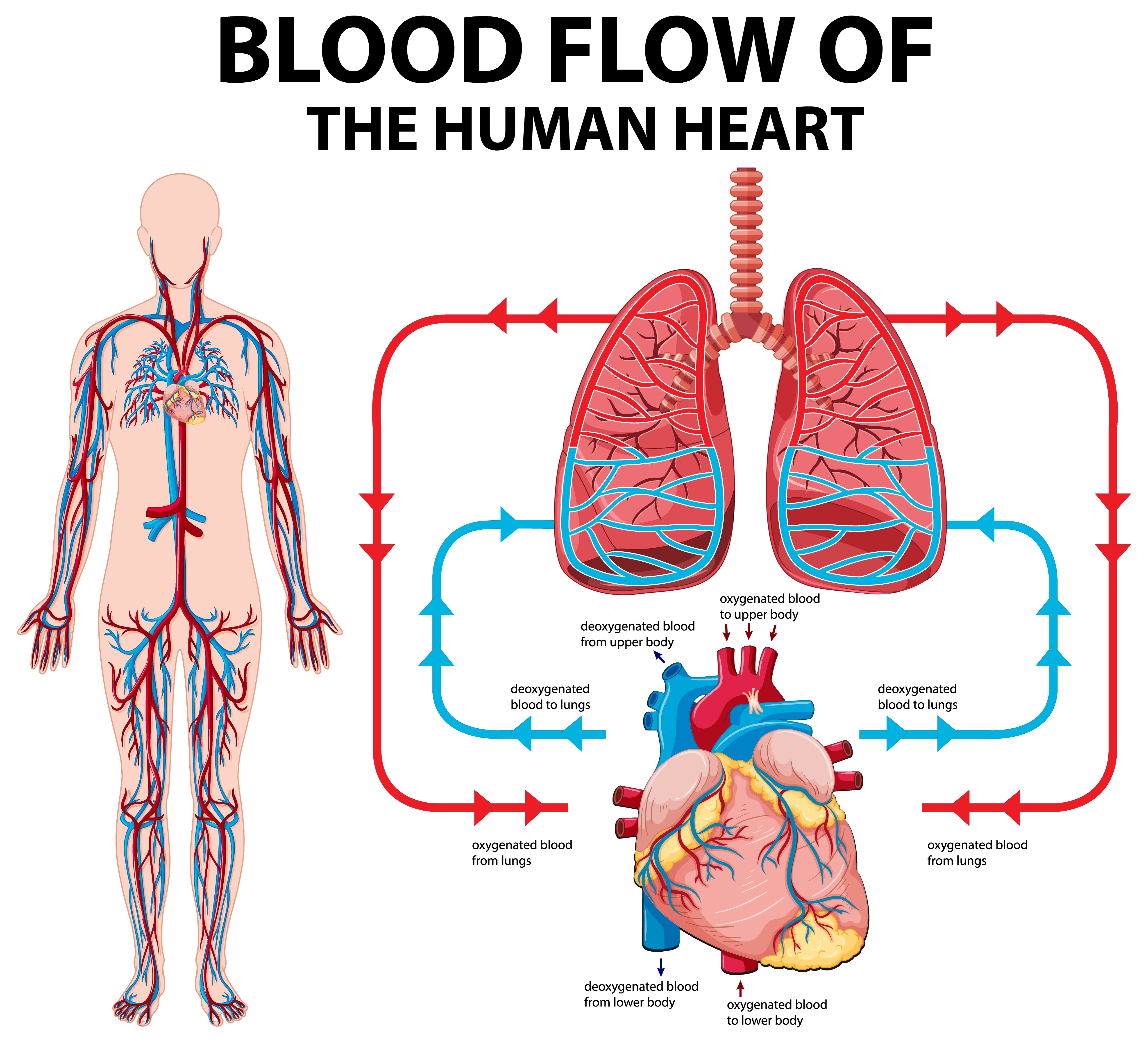
Thrombophlebitis is an inflammation caused by the formation of a blood clot that blocks one or more veins. The term "thrombophlebitis" comes from the word "thrombo," meaning clot, and "phlebitis," meaning inflammation of a vein. A blood clot refers to a clump of red blood cells that have coagulated and solidified. This clot in the vein slows down blood flow and disrupts normal circulation throughout the body.
Thrombophlebitis can occur in veins close to the skin's surface (superficial thrombophlebitis) or in deeper veins near the muscles (deep vein thrombosis, or DVT). This condition most commonly affects veins in the legs, though it can also occur in the arms or other veins in the body.
In general, thrombophlebitis is more common in adults and is relatively rare in children. The most common causes of cases in children are congenital blood disorders that increase the risk of clotting or prolonged hospitalization (long bed rest).
Causes
The underlying cause of thrombophlebitis is the formation of a blood clot in the vein. These clots can form for several reasons, such as:
- Injury to a vein, including complications from medical procedures like the insertion of an IV line
- Having an inherited blood clotting disorder
- Being immobile for a long time, such as during prolonged bed rest in the hospital, after major surgery, or sitting for long periods in a car or airplane
Risk Factor
Factors that increase the risk of your child developing thrombophlebitis include:
- Having a congenital blood clotting disorder, such as thrombophilia (a condition where the blood is prone to forming clots)
- Prolonged immobility, such as being bedridden for a long time or sitting in a car or plane for extended periods
- Injury to a vein
- Hormone replacement therapy, which can make the blood more prone to clotting
- A family history of blood clotting disorders or a tendency to form blood clots
- Previous episodes of thrombophlebitis
- Being overweight or obese
- Having cancer or undergoing cancer therapy (chemotherapy)
- Autoimmune disorders, such as lupus
- Certain medications
- Structural or functional abnormalities in veins, such as May-Thurner syndrome (narrowing of the left leg vein) or Paget-Schroetter syndrome (narrowing of veins around the arms and chest)
Symptoms
Thrombophlebitis can slow or block blood flow in veins. Possible symptoms include:
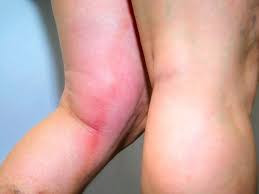
- Red, warm, swollen, and irritated skin around the affected area
- Pain, especially when pressing on the affected area
- Swelling of the veins, which may feel like a hard "cord" under the skin
- Pain when bending the ankle (if thrombophlebitis occurs in the leg)
- Swollen legs or ankles
Diagnosis
To diagnose thrombophlebitis, a doctor will start by interviewing your child (if old enough) or the parent/caregiver. They will ask about symptoms, the location of the affected area, and factors that may contribute to thrombophlebitis, such as a history of blood clotting disorders, prolonged bed rest, or recent IV insertion. Then, the doctor will perform a physical exam, inspecting the affected skin and possibly pressing on the area to check for tenderness and swelling. Diagnosis is typically based on the interview and clinical appearance, but the doctor may recommend further tests to rule out other causes, such as:
- Duplex ultrasound, producing images of blood vessels using sound waves. Following the application of gel to the skin, the physician will insert a transducer—a device that transmits sound waves into the tissue under examination. Following their reflection back to the device, the waves will be displayed as an image on a monitor screen. Blood clots may occasionally be visible during this examination, which can also visualize the afflicted blood vessels.
- Blood test. The most common test is the D-dimer test. This is a blood test that looks for a protein, called D-dimer, that forms when a blood clot breaks down. If the D-dimer level is high, it can indicate that a blood clot is breaking down. However, even though the level is high, it does not always indicate a clot. The doctor will confirm the results with an ultrasound examination to visualize the blood clot.
- MR venography and CT venography. If the ultrasound results are unclear, the doctor may use this imaging test to check for clots in the blood vessels. In this test, a dye is injected into the blood vessel, and X-rays are used to produce images of the blood vessels.
- MR angiography (MRA), can produce detailed images of blood vessels using a large MRI machine. The patient will be injected with a special dye into the blood vessels so that it is possible to see the blood vessels clearly.
Management
In most cases of thrombophlebitis in veins near the skin’s surface, symptoms will subside on their own within one to two weeks. For more severe cases, a doctor may prescribe certain medications, with doses adjusted for the child’s age and weight, such as:
- Blood thinners (heparin, warfarin) to help prevent the clot from growing larger and reduce the risk of new clots.
- Antibiotics, if the blood flow blockage causes an infection.
- Pain relievers and anti-inflammatory medications like ibuprofen. In addition to medication, elevating the affected leg and applying warm compresses for 15 to 30 minutes, two to three times a day, can help reduce swelling and pain.
Complications
Complications from thrombophlebitis are relatively rare. Some potential complications include:
- Pulmonary embolism, which occurs if the blood clot breaks free and travels to the lungs, blocking the pulmonary artery.
- Post-phlebitic syndrome, a collection of symptoms such as pain, swelling, and a heavy feeling in the affected leg or arm, which can occur months or years after the initial thrombophlebitis.
Prevention
Several steps can be taken to prevent the formation of blood clots, including:
- Staying active and avoiding prolonged sitting. Take short walks or stretch your legs and arms if you must sit for long periods.
- Avoiding tight clothing.
- Staying hydrated to prevent dehydration.
- If you have a congenital blood clotting disorder or a history of thrombophlebitis, regular checkups and taking prescribed medications are important.
When to See a Doctor?
If your child experiences symptoms of thrombophlebitis along with the following, seek medical attention immediately:
- One leg appears warmer than the other, or the leg is swollen, red, painful, or inflamed
- The affected limb becomes pale and cold, accompanied by fever
- Coughing up blood suddenly
- Sharp chest pain or chest tightness
- Pain in the shoulder, arm, back, or jaw
- Rapid breathing or difficulty breathing
- Pain when breathing
- Severe dizziness
- Rapid heart rate
- dr. Alvidiani Agustina Damanik
Blood Clots in Children. (2016). Retrieved 19 April 2022, from https://www.hopkinsallchildrens.org/ACH-News/General-News/Blood-Clots-in-Children
Chitnavis, Padma. Thrombophlebitis. (2020). Retrieved 19 April 2022, from https://emedicine.medscape.com/article/1086399-overview#a4
*Felson, Sabrina. Thrombophlebitis. (2021). Retrieved 19 April 2022, from https://www.webmd.com/dvt/understanding-thrombophlebitis-basics
Holm, Gretchen. Thrombophlebitis. (2018). Retrieved 19 April 2022, from https://www.healthline.com/health/thrombophlebitis
Superficial Thrombophlebitis. (2019). Retrieved 19 April 2022, from https://my.clevelandclinic.org/health/diseases/17523-superficial-thrombophlebitis
Thrombophlebitis. (2021). Retrieved 19 April 2022, from https://www.mayoclinic.org/diseases-conditions/thrombophlebitis/symptoms-causes/syc-20354607