Definition
Candidemia is a serious Candida fungal infection that can be life-threatening if not diagnosed and treated properly. This type of fungus is one of the most common causes of fungal infections.
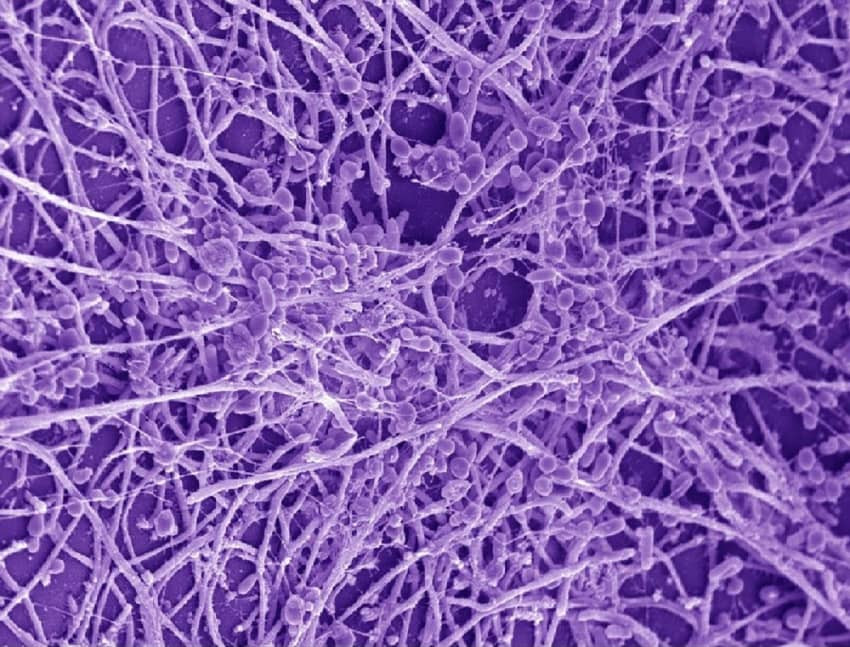
Candida is a normal flora found on the skin and within the body. Under certain conditions, this fungus can grow uncontrollably and cause infection. Typically, Candida infections (candidiasis) are localized to a specific area of the body, such as the mouth and throat, skin, or genital area.
However, candidemia refers to a condition where Candida enters the bloodstream. Candidemia is a severe form of candidiasis that, if left untreated, may require prolonged hospitalization, affect internal organs, and even lead to death. The fungus can spread to various parts of the body, such as:
- Eyes
- Heart valves
- Kidneys
- Liver
- Spleen
- Bones
- Brain and central nervous system
A fungal infection caused by the Candida fungus is called candidiasis. We have an article on candidiasis that you can read here.
Causes
Candida is not found in the blood but rather in areas of the body such as the mouth, throat, vagina, and skin without causing problems. Under certain conditions, the number of these fungi can increase significantly, leading to localized infections. In high-risk individuals, Candida can enter the bloodstream and spread to internal organs, causing candidemia.
Examples of how Candida can enter the bloodstream include:
- The fungus enters through intravenous catheters or during central venous catheter insertion when the catheter is left in for an extended period.
- During surgery, surgical instruments come into contact with Candida on the skin, which then enters the bloodstream.
- The individual has a weakened immune system, allowing the normally harmless Candida to become dangerous.
There are over hundreds of Candida species, but only a few are known to cause infections, including:
- Candida albicans
- Candida glabrata
- Candida parapsilosis
- Candida tropicalis
- Candida krusei
- Candida auris
C. albicans is the most common cause of candidemia. However, C. glabrata and C. krusei are often resistant to azole antifungal medications, such as fluconazole.
Risk Factor
Candidemia is the most common fungal bloodstream infection, ranking as the fourth most frequent bloodstream infection in ICUs (intensive care units). Typically, healthy individuals do not develop candidemia. The following factors increase the risk of candidemia:
- Hospitalization, particularly in the ICU for extended periods
- Having conditions that weaken the immune system, such as:
- Critical diseases
- Severe burns
- Kidney disease requiring dialysis
- Diabetes
- Organ or blood cancers
- Acute necrotizing pancreatitis
- Receiving chemotherapy, corticosteroid therapy, or multiple antibiotics while hospitalized
- Having undergone organ transplants
- Undergoing surgery, particularly repeated abdominal surgeries
- Presence of catheters or puncture sites in surgical areas
- Long-term use of central venous catheters
- Total parenteral nutrition (feeding through a catheter)
- Use of intravenous drugs or narcotics
- Being born prematurely
Symptoms
Candidemia symptoms are difficult to detect because most patients already have underlying medical conditions. The symptoms can resemble bacterial infections but do not improve with antibiotics, making diagnosis more challenging.
Common symptoms are similar to sepsis, such as fever, chills, and organ damage. Symptoms vary depending on which organ is affected, such as the heart, eyes, brain, or bones. Candidemia symptoms may include:
- Abdominal pain
- Fever or chills
- Low blood pressure
- Muscle pain
- Skin rashes
- Weakness or fatigue
If Candida spreads to the eyes, the patient may experience blurry vision, light sensitivity, or other vision problems. If it spreads to the brain, the patient may experience mental status changes, headaches, or memory loss.
Diagnosis
Candidemia is diagnosed by doctors based on the patient's symptoms, medical history, physical examination, and supporting tests. Blood cultures are the gold standard for diagnosing candidemia by detecting fungi directly in the sample.
Healthcare providers will collect a blood sample and send it to a laboratory where it is cultured to see if microbes like fungi grow. Candida in the culture confirms a positive diagnosis. However, blood culture tests can take time to show results.
Other tests may include Candida mannan antigen and anti-mannan antibody markers. PCR testing is also being developed and evaluated for its usefulness in candidemia diagnosis.
Management
Candidemia treatment is performed in a hospital. Fungal infections are typically treated with antifungal medications. Doctors may start empirical antifungal therapy if candidemia is strongly suspected while awaiting blood culture results. Antifungal medications include:
- Anidulafungin
- Fluconazole
- Amphotericin B
The recommended treatment duration is a minimum of two weeks after a repeat blood culture shows improvement. Treatment may last longer in cases of infection complications.
Complications
Candidemia is a serious condition with a high risk of long-term health complications, such as:
- Endocarditis: Inflammation of the heart valves and the inner lining of the heart chambers
- Endophthalmitis: Inflammation inside the eyeball that can cause vision loss
- Osteomyelitis: Infection and inflammation of the bone tissue
These conditions require several weeks of hospitalization and can be fatal in 46% to 75% of cases.
Prevention
For individuals at high risk of candidemia, healthcare providers may prescribe prophylactic antifungal medications to prevent infection. Additionally, frequent handwashing and maintaining skin cleanliness can help prevent infections.
When to See a Doctor?
Recognize the risk factors you may have. Candidemia is a serious fungal infection that can lead to severe complications and death. If you are hospitalized, report any symptoms to your attending doctor or healthcare provider immediately.
Looking for more information about other diseases? Click here!
- dr. Alvidiani Agustina Damanik
Cleveland Clinic - Invasive Candidiasis. (2022). Retrieved 29 April 2023, from https://my.clevelandclinic.org/health/diseases/22308-invasive-candidiasis.
CDC - Invasive Candidiasis. (2020). Retrieved 29 April 2023, from https://www.cdc.gov/fungal/diseases/candidiasis/invasive/index.html.
Mora Carpio AL., Climaco A., Fungemia Candidiasis (2022). Retrieved 29 April 2023, from https://www.ncbi.nlm.nih.gov/books/NBK436012/#!po=18.7500.