Definition
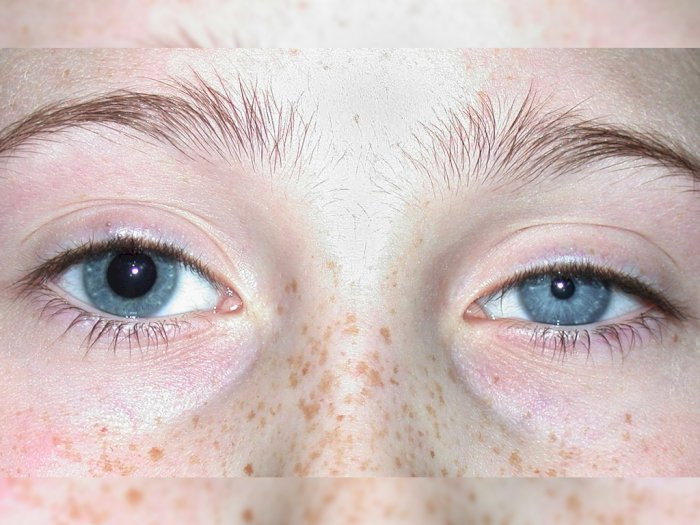
Horner syndrome, also known as Horner-Bernard syndrome, is a collection of symptoms affecting one side of the face and one eye due to disruption of the nerve pathways running from the brain to the face. horner syndrome can occur in all genders and ages and can affect all races and ethnic groups. It involves disruption of the sympathetic nerve pathways that supply the head, eyes, and neck. Characteristics of horner syndrome include a triad of symptoms: drooping eyelid (ptosis), constricted pupil (miosis), and reduced sweating on one side of the face (facial anhidrosis).
Usually, these symptoms do not significantly impair vision or overall health. However, in some cases, the syndrome can be linked to underlying medical conditions that might pose serious health issues. In some instances, the cause of horner syndrome remains unknown. There is no specific treatment for horner syndrome; management typically involves addressing the underlying condition. horner syndrome is relatively rare, with about 5% of cases being congenital or present from birth.
Causes
Horner syndrome is primarily caused by damage or disruption to the sympathetic nerve pathways. This nervous system regulates many functions, including pupil movement, heart rate, blood pressure, and sweating, and helps the body respond to environmental changes.
The causes of horner syndrome are divided into three categories:
On the first-order neurons
Nerve fibers originate from the hypothalamus in the brainstem and travel to the spinal cord in the neck and upper back, from C8-T2. Conditions affecting these neurons include stroke, tumors, and neck injuries. The sympathetic nerve pathway is located near other tracts and nuclei in the brainstem.
- Infections, such as encephalitis or meningitis
- Malignancies, such as intracranial tumors in the pituitary gland or the skull base, spinal tumors
- Injuries, especially in the spinal cord (at T2-T3 level)
- Other diseases, such as multiple sclerosis, Arnold-Chiari malformation, and syringomyelia
On the second-order neurons
Nerve fibers originate from the spinal cord and the side of the neck, pass through the brachial plexus and the apex of the lungs, and reach the mandible. Conditions affecting these neurons include:
- Malignancies, such as Pancoast tumors in the lung apex, neuroblastoma, myelin tumors
- Injuries in the neck or brachial plexus area
- Mediastinal lymphadenopathy
- Dental abscesses in the mandibular area
- Damage to major blood vessels from the heart (aorta)
- Iatrogenic causes (surgical procedures in the chest or neck, tonsillectomy, carotid angiography, etc.)
On the third-order neurons
Causes involve the side of the neck leading to the skin of the face and the muscles of the eyelids and iris. Damage to these nerve cells can be associated with artery or other blood vessel damage along the neck, tumors or infections at the skull base, migraines, and cluster headaches. In children, horner syndrome may result from neck or shoulder injuries during birth, congenital aortic abnormalities, or tumors in the hormone nervous system.
Risk Factor
Research indicates no racial, gender, or age predisposition increases the risk of developing horner syndrome.
Symptoms
Clinical symptoms of horner syndrome include slight elevation of the lower eyelid (upside-down ptosis), reduced or absent sweating on one side of the face, visibly different pupil sizes (anisocoria), persistently constricted pupils, delayed pupil dilation in low light, and difficulty seeing in the dark. In children under one year, symptoms may include a paler iris color in the affected eye, and the affected side of the face may not flush in response to sun exposure, physical activity, or emotional reactions.
Symptoms of horner syndrome can guide doctors to pinpoint the location of the disruption in the sympathetic nerve pathway. First-order neuron disruptions can cause balance problems, hearing issues, difficulty swallowing, and sensory nerve dysfunction.
Second-order neuron disruptions might be indicated by a history of facial, head, neck, back, or shoulder injuries or surgeries. The presence of the triad of ptosis, miosis, and facial anhidrosis, along with double vision, facial numbness, or headaches, might suggest third-order neuron involvement.
Doctors usually compare past and present symptoms and assess the progression of current symptoms. If pain is present, doctors will inquire about its location and severity.
Diagnosis
Horner syndrome is diagnosed in stages, starting with an in-depth interview (anamnesis) about symptoms, their onset, birth history in children, and other possible symptoms. Physical examination will reveal imbalanced eyelids and miosis.
Several pharmacological tests can be used to diagnose horner syndrome. The first is the cocaine drop test, which uses cocaine's mechanism to block norepinephrine reuptake normally released from nerve endings. If there's disruption in the sympathetic pathway, norepinephrine isn't released, and cocaine administration won't cause pupil dilation (mydriasis). The second test is the hydroxyamphetamine test, which helps localize the lesion. Two drops of the solution are given to both eyes. The affected eye's pupil won't dilate like the normal eye.
Imaging tests like ultrasound, X-rays, CT scans, or MRI can support the diagnosis in patients with structural abnormalities, injuries, lesions, or tumors.
Management
There is no specific treatment for horner syndrome. Treatment focuses on reducing symptoms and addressing the underlying cause. Early detection and referral to appropriate specialists are crucial. Not all treatments are effective for managing symptoms. Surgery might be recommended if there is another condition, such as an aneurysm requiring neurosurgical attention or carotid artery dissection needing vascular surgery. Surgery for aesthetic purposes might also be performed to address drooping eyelids.
Complications
Complications in horner syndrome can include vision problems, severe and sudden neck pain or headaches, muscle weakness, or difficulty controlling muscles.
Prevention
There are no specific preventive measures for horner syndrome, but symptoms can be managed with medical therapy and medication, along with controlling related risk factors.
When to See a Doctor?
It is advisable to see a doctor immediately if the symptoms mentioned above suddenly appear after physical trauma or injury, or if they occur with additional symptoms such as vision problems, dizziness, muscle weakness or difficulty controlling muscles, severe headaches, or sudden neck pain.
Looking for more information about other diseases? Click here!
- dr Hanifa Rahma
Kedar, S. (2021). Horner’s Syndrome. Available from: https://eyewiki.aao.org/Horner_Syndrome
Black, E., Scruggs, R., Barmettler, A. (2018). Available from: https://www.aao.org/oculoplastics-center/horner-syndrome-8
Mayo Clinic (2020). Horner Syndrome. Available from: https://www.mayoclinic.org/diseases-conditions/horner-syndrome/symptoms-causes/syc-20373547
Cleveland Clinic (2018). Horner’s Syndrome: Diagnosis and Tests. Available from: https://my.clevelandclinic.org/health/diseases/17836-horners-syndrome
Griff, A M. Healthline (2017). What is Horner’s Syndrome?. Available from: https://www.healthline.com/health/horners-syndrome#symptoms
Khalan, Z., Bollu, P. (2021). Horner Syndrome. Available from: https://www.ncbi.nlm.nih.gov/books/NBK500000/
/62d2449c2c10c.jpg)