
Definition
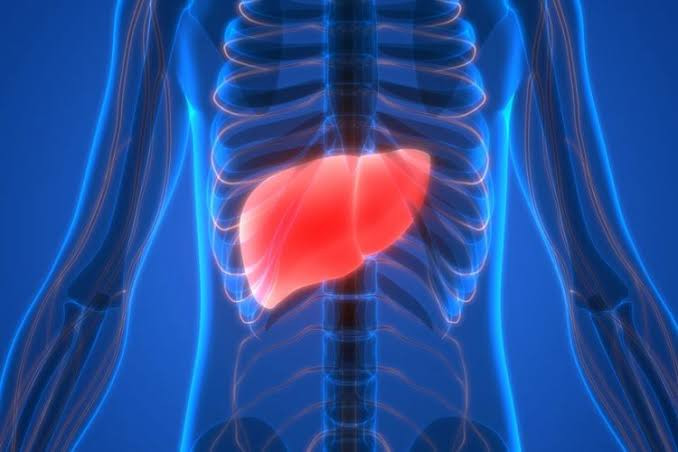
A bile acid test measures the levels of bile acids in the body. Bile acids are essential components of bile, a yellowish-green fluid produced by the liver and stored in the gallbladder. Besides bile acids, bile also contains cholesterol, bilirubin, water, electrolytes, and various minerals.
Every day, the liver produces about 0.8 to 1 liter of bile, which plays a critical role in digestion. It helps break down fats into fatty acids, making it easier for the body to absorb them. Bile also performs other important functions, including:
-
Helping absorb fat-soluble vitamins like A, D, E, and K
-
Removing toxins and metabolic waste, such as bilirubin and cholesterol, from the body
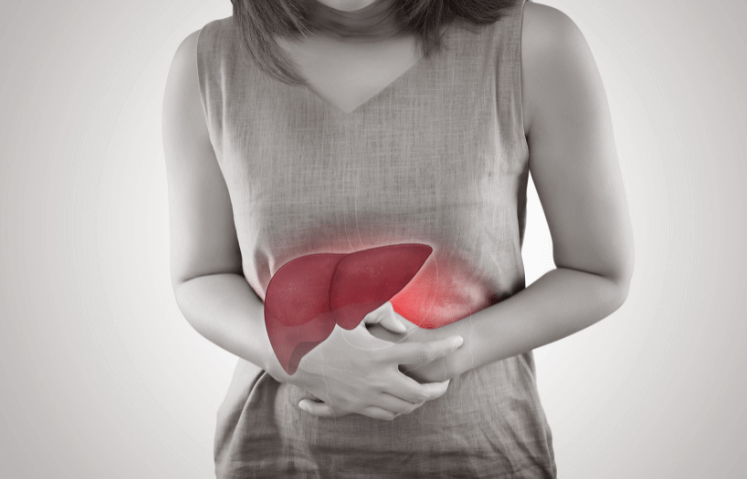
A bile acid test is primarily used to assess liver function, as bile acids serve as markers for liver damage. The test can also aid in diagnosing and monitoring liver diseases, including hepatitis, liver cancer, cholestasis, and cirrhosis.
Indication
Doctors typically recommend this test if you are suspected of having liver problems. Common symptoms of liver disease include:
-
Yellowing of the skin and eyes (jaundice)
-
Nausea and vomiting
-
Abdominal pain
-
Fatigue
-
Dark-colored urine
-
Pale stools
-
Loss of appetite
-
Unexplained weight loss
Additionally, this test can be used in the following cases:
-
To assess liver function
-
To monitor the treatment of liver conditions like hepatitis
-
To diagnose bile reflux disease
-
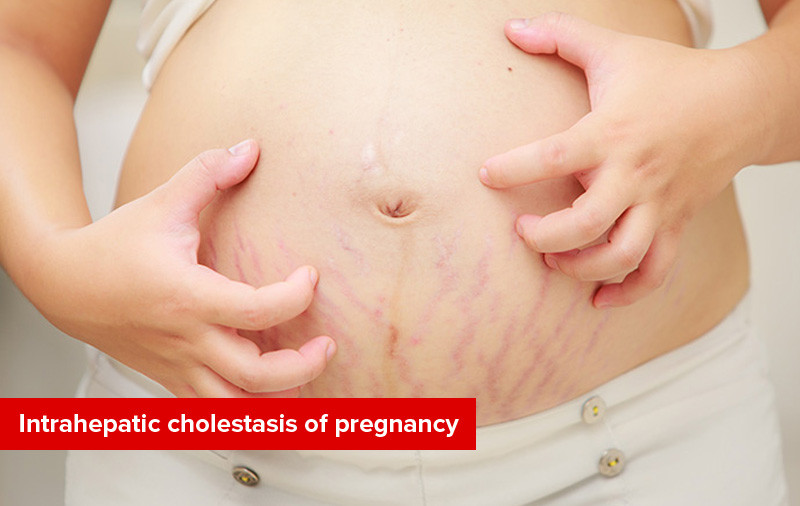
To diagnose cholestasis during pregnancy
-
As part of a routine screening during medical check-ups
Contraindication
There are no specific contraindications for bile acid testing, meaning there are no conditions that would prevent someone from having the test.
Preparation Before the Test
For the bile acid test, no special preparation is needed except for fasting. You will be required to fast (avoid eating) for 12 hours before the test.
It is important to consult with a doctor before undergoing the test, as certain medical conditions or medications may affect the results. These factors can lead to inaccurate readings, which might not reflect your true health condition.
Test Procedure
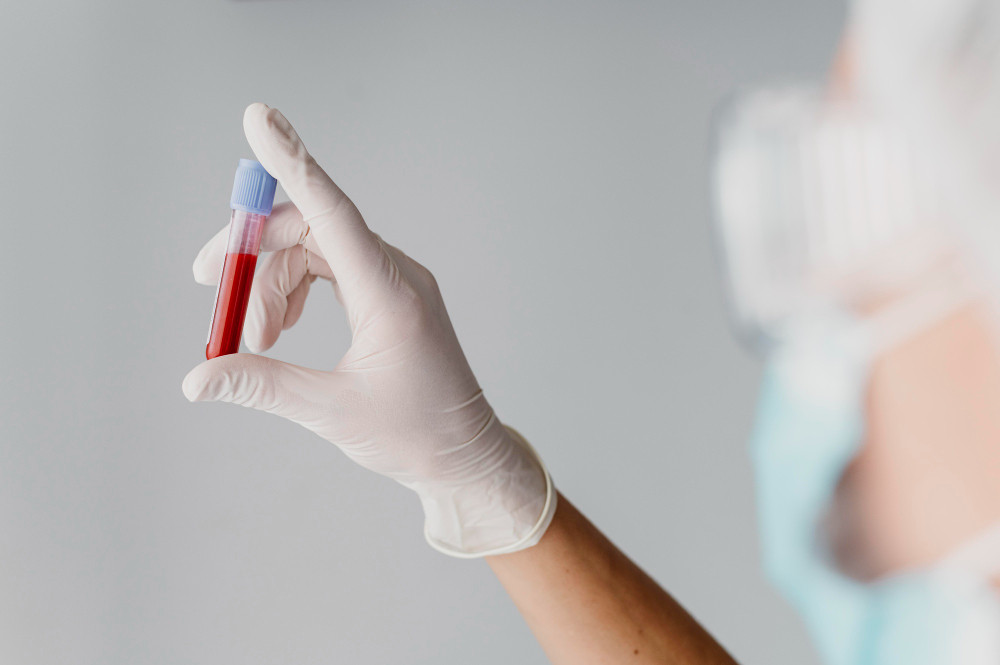
The bile acid test generally requires a blood serum sample of 0.25 to 0.5 milliliters. This sample is drawn from a vein and collected into a special tube. Laboratory staff will wear gloves and protective equipment (PPE) while handling the sample during the test.
Before drawing the blood, the healthcare professional will apply an elastic band to your arm and clean the needle insertion site with antiseptic gauze. Typically, blood is drawn from the crease of your elbow. Once the blood is collected into the special tube, the elastic band is removed, and the puncture site is pressed and cleaned with antiseptic gauze to stop any bleeding. The entire procedure takes only a few minutes. Afterward, the blood sample is analyzed in the laboratory using specialized equipment, and results are usually available within a few hours.
Normal and Abnormal Values
The normal range for bile acid values does not vary by age or gender. Generally, the normal value for a bile acid test is between 0 and 17 µmol/L. Any value above 17 µmol/L is considered abnormal.
However, each laboratory may have slightly different reference ranges due to the equipment and machines they use, so values may vary slightly between labs.
Results and Recommendations (Follow-up Tests)
Normal
If the results of your bile acid test are normal, it suggests that you are likely maintaining a healthy lifestyle. To keep your health in good standing, it's important to continue with this lifestyle to help prevent conditions that could lead to high bile acid levels.
However, some individuals with intestinal malabsorption might show normal bile acid levels despite underlying issues. Therefore, even with normal test results, it is recommended to consult your doctor for further evaluation.
Abnormal or High
If your bile acid test shows high values, it is essential to consult your doctor. The doctor may recommend changes to your diet or lifestyle to promote better health, or they may suggest medication to help reduce your bile acid levels.
Elevated bile acid levels can be indicative of liver diseases such as acute or chronic hepatitis, cirrhosis, liver cancer, or gallbladder blockages. For pregnant women, abnormal bile acid levels may indicate a condition called intrahepatic cholestasis.
Increased bile acid levels can also occur due to several medical conditions, including:
-
Wilson's disease, a rare genetic disorder where copper accumulates excessively in organs like the liver, eyes, and heart.
-
Hemochromatosis, a condition where the body absorbs too much iron from the food you eat.
-
Cholangitis, inflammation of the bile ducts.
-
Portal vein thrombosis, a blood clot in the portal vein of the liver.
Consult the Right Doctor
Adults with abnormal bile acids test results can first consult a general practitioner for further examination or treatment. You may also consider seeing an internist or a gastroenterologist-hepatologist to address any liver or bile-related issues. For pediatric patients, any abnormal results should be discussed with a pediatrician.
Looking for more information about laboratory, radiology, and other examination results? Click here!
- dr Nadia Opmalina
Bile Acid. (2022). Retrieved 26 September 2022, from https://eclinpath.com/chemistry/liver/liver-function-tests/bile-acids/
Bile Acids, Total, Serum. (2022). Retrieved 26 September 2022, from https://www.mayocliniclabs.com/test-catalog/Overview/84689#Clinical-and-Interpretive
Bile Acids. (2022). Retrieved 26 September 2022, from https://www.southtees.nhs.uk/services/pathology/tests/bile-acids/
Assessment of Serum Bile Acid Profiles as Biomarkers of Liver Injury and Liver Disease in Humans. (2018). Retrieved 28 September 2022, from https://www.ncbi.nlm.nih.gov/pmc/articles/PMC5841799/