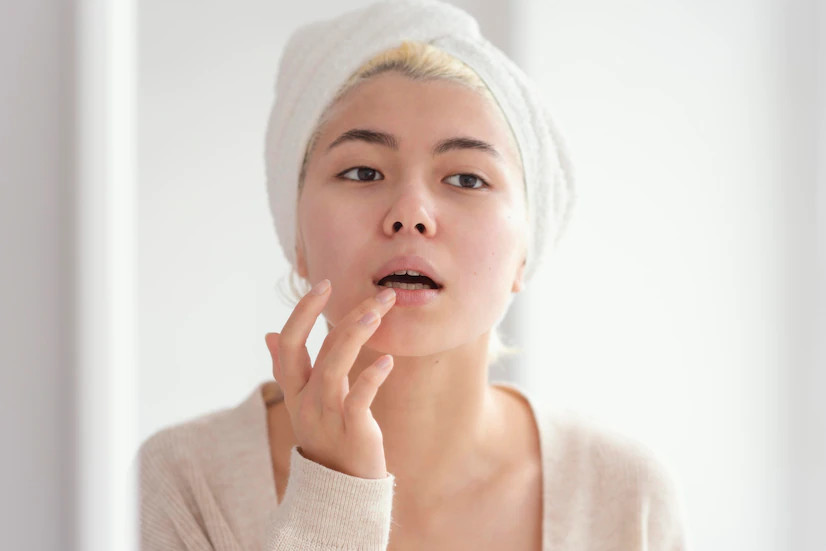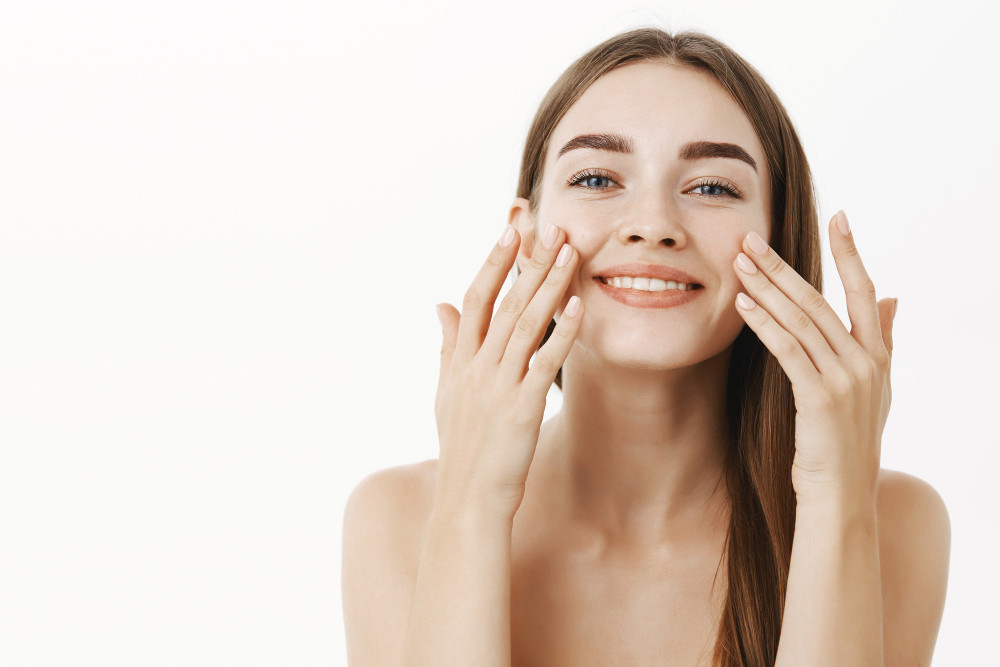

You may have come across the term PHA on exfoliating skincare product labels. While many are familiar with AHA (Alpha Hydroxy Acid) and BHA (Beta Hydroxy Acid), what exactly is PHA, and how does it benefit the skin? Continue reading to discover more about this skin-friendly exfoliant and its advantages.
What is Polyhydroxy Acid (PHA)?
Polyhydroxy acid, or PHA, is a gentler exfoliating acid compared to other acids like AHA and BHA. It is a derivative of AHA, a water-soluble acid commonly found in skincare products.
PHAs have larger molecules than other exfoliating acids such as glycolic acid and lactic acid. Due to this larger size, PHAs don’t penetrate as deeply into the skin layers. Instead, they work on the skin's surface, making them a safer and milder choice for individuals with sensitive skin or conditions such as eczema and rosacea.
In skincare, the most popular PHAs include gluconolactone, galactose, and lactobionic acid.
Benefits and Advantages of Polyhydroxy Acid (PHA)
PHA provides numerous benefits for the skin, including:
-
Brightens the Skin: As a gentle exfoliant, PHA helps remove dead skin cells from the surface, revealing a brighter and more radiant complexion.
-
Moisturizes the Skin: PHA is a humectant, meaning it attracts moisture to the skin and retains it. It also helps enhance the skin barrier's function, making the skin feel hydrated, plump, and elastic.
-
Reduces Wrinkles: PHA contains antioxidants that help reduce skin damage caused by UV exposure, including signs of aging like fine lines and wrinkles.
-
Nourishes the Skin: By softening the skin and reducing the appearance of wrinkles, PHA helps make the skin feel smoother and look healthier.
Compared to other hydroxy acids, PHA has additional advantages:
-
Safe for Sensitive Skin: Due to its larger molecules, PHA works on the skin's surface, taking longer to penetrate the skin. This makes it less likely to cause irritation than AHA or BHA, especially for those with sensitive skin.
-
Non-Irritating: Unlike other exfoliants, PHA is less likely to cause irritation, such as redness, peeling, or itching. This makes it an excellent option for those with eczema or other skin conditions.
-
Anti-Inflammatory: PHA has anti-inflammatory and antioxidant properties, helping to calm skin inflammation and redness.
-
Fights Glycation: PHA helps combat glycation, a process where excess sugar in the body damages collagen and elastin, which are crucial for maintaining the skin's firmness and elasticity.
Tips for Using Polyhydroxy Acid (PHA)
PHAs are considered mild exfoliants, which means they typically cause fewer side effects than other acids. Because they act primarily on the outer layers of the skin, PHA is generally safe for those with sensitive skin. However, it is still part of the hydroxy acid family, so it’s essential to use it properly to avoid irritation.
Here are some tips for using PHA to minimize the risk of skin irritation:
-
Patch Test First: Before applying PHA to your face, perform a patch test on a small area like your jaw or forearm. If you notice any irritation or discomfort, discontinue use.
-
Look for Multi-Acid Products: If you’re new to exfoliating, consider using products that combine AHA, BHA, and PHA. This combination allows you to achieve the benefits of exfoliation without using multiple products. However, if you have highly sensitive skin, choose a product that only contains PHA.
-
Choose Hydrating PHA Products: Select a PHA-based product that includes moisturizing ingredients such as ceramides, hyaluronic acid, glycerin, or peptides. These ingredients will help keep your skin hydrated and protect your skin barrier.
-
Moisturize Afterward: Always follow up with a good moisturizer after applying PHA to keep your skin’s hydration levels intact.
-
Use Sunscreen: Since exfoliating can make your skin more sensitive to the sun, it's important to apply sunscreen every morning to protect your skin from UV damage.
PHA is a gentle exfoliant that works effectively for many skin types, especially for those who experience irritation with harsher acids like AHA and BHA. If you have any questions about skincare or beauty, consult with a healthcare professional or use the consultation feature available on the Ai Care app, which can be downloaded from the App Store or Play Store.
Looking for more information about health tips and tricks, first aid, and other home remedies? Click here!
- dr Hanifa Rahma
Peter, S. (2024). Everything You Need to Know About Polyhydroxy Acid (PHA). Available from: https://www.byrdie.com/what-is-pha
de Bellefonds, C. (2020). Brainy Beauty: What Can PHAs Really Do for Your Skin?. Available from: https://www.healthline.com/health/beauty-skin-care/phas-for-your-skin-the-facts-behind-the-beauty-hype
Binu, S. (2022). What Are Polyhydroxy acids (PHAs): Uses, Types, Benefits And Side Effects Of This Skin Healing Ingredient. Available from: https://www.netmeds.com/health-library/post/what-are-polyhydroxy-acids-phas-uses-types-benefits-and-side-effects-of-this-skin-healing-ingredient#