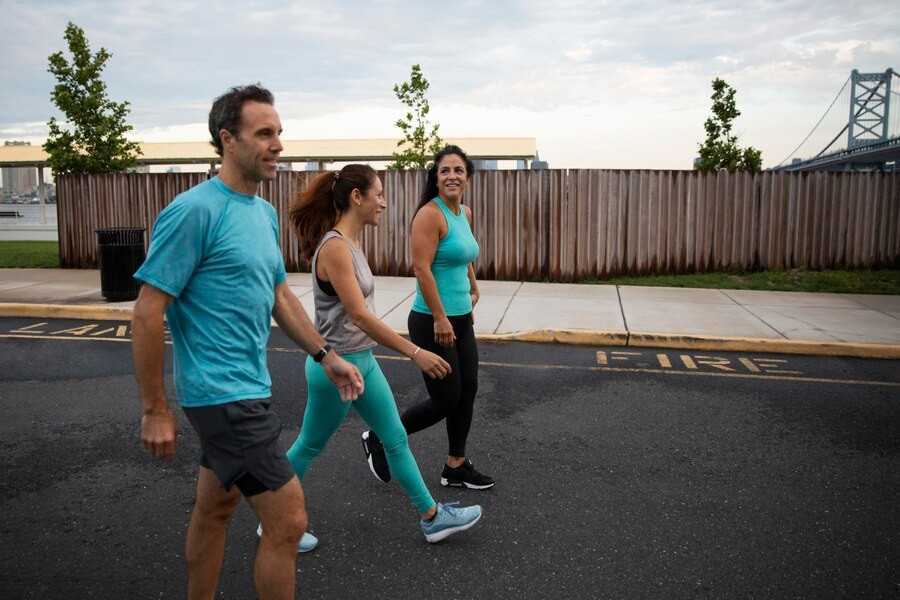
Walking after eating is a simple activity that can offer numerous health benefits, from aiding digestion to supporting weight loss. Research has shown that this light physical activity can help regulate blood sugar levels, boost metabolism, and alleviate post-meal fatigue.
Even though walking after eating may seem like a small habit, there are several important factors to keep in mind to ensure that you reap the full benefits of this activity. What should you pay attention to? Let's explore the key points in this article.
The Risks of Walking After Eating
While walking after eating can bring various health advantages, it's important to be aware that there are potential risks if this activity is not done properly. The timing and intensity of the walk should be adjusted according to your body’s condition. Walking too soon after a meal or at too high an intensity can lead to digestive issues and discomfort.
Here are some issues that could arise:
Bloating
Engaging in physical activity too soon after eating can cause gas to build up in the digestive system. This may lead to a feeling of fullness, bloating, and overall discomfort in the stomach.
Nausea and Vomiting
Walking briskly or too soon after eating can disrupt the initial digestive process, resulting in nausea. For some individuals who are more sensitive, this could even lead to vomiting.
Acid Reflux
Walking quickly after eating, especially with an upright posture, can aggravate acid reflux symptoms. This is particularly true for individuals who have a history of GERD (Gastroesophageal Reflux Disease).
Diarrhea
In some cases, eating can trigger faster bowel movements due to indigestion, leading to mild diarrhea.
Tips for Safe Walking After Eating
To minimize the risks of indigestion while walking after eating, consider the following tips:
-
Wait 10-15 minutes before walking. Allow some time for your body to begin the initial stages of digestion before heading out for a walk.
-
Keep the walk light. Opt for a leisurely stroll rather than a brisk walk or intense workout. A light walk helps to avoid straining your digestive system.
-
Limit the duration. You don’t need to walk for an extended period. A short walk is sufficient and more beneficial than walking too long, especially after meals or close to bedtime, as it could put unnecessary stress on the body.
-
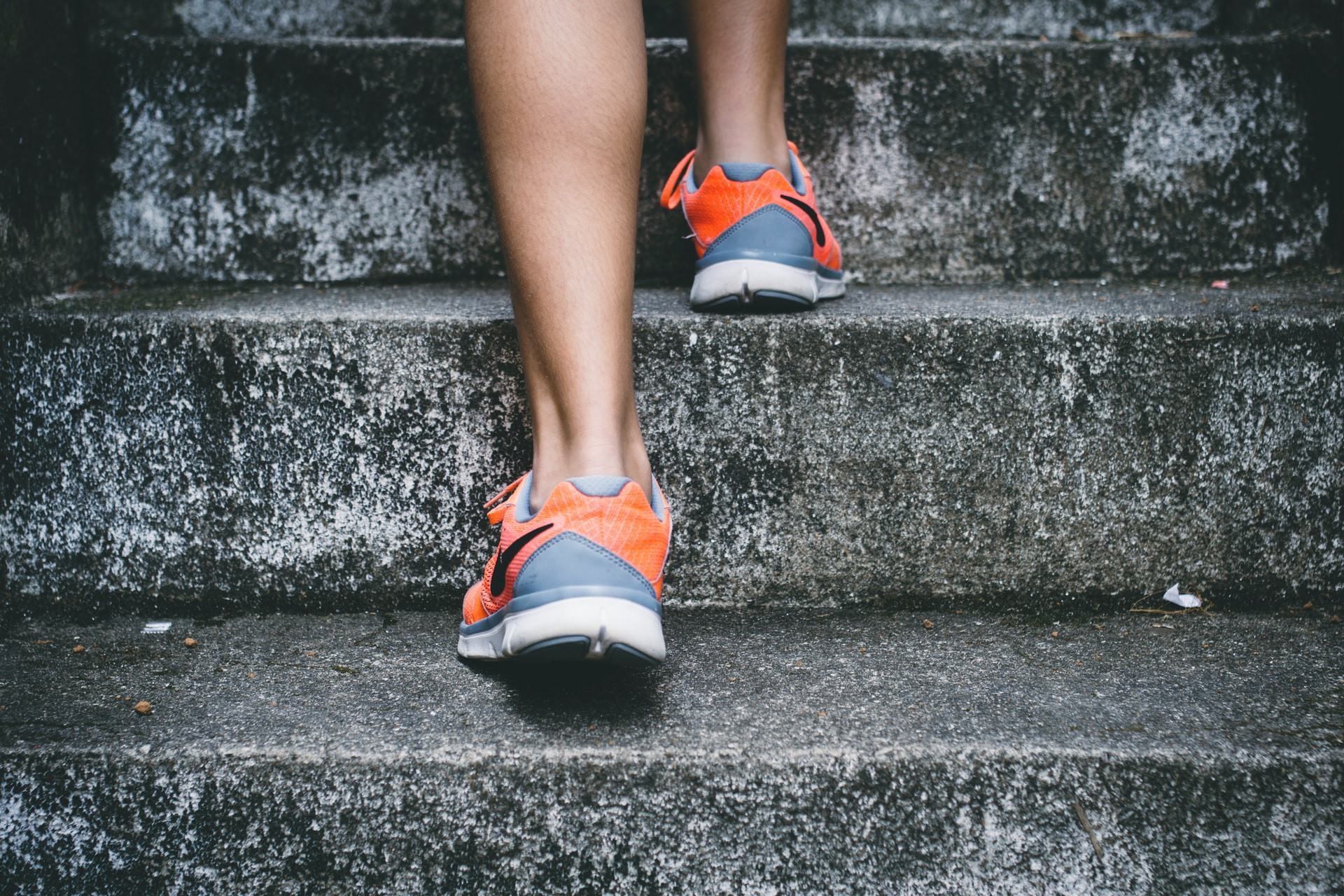
Choose a flat route. Stick to flat surfaces rather than uphill routes to avoid overexertion and additional strain on your body.
-
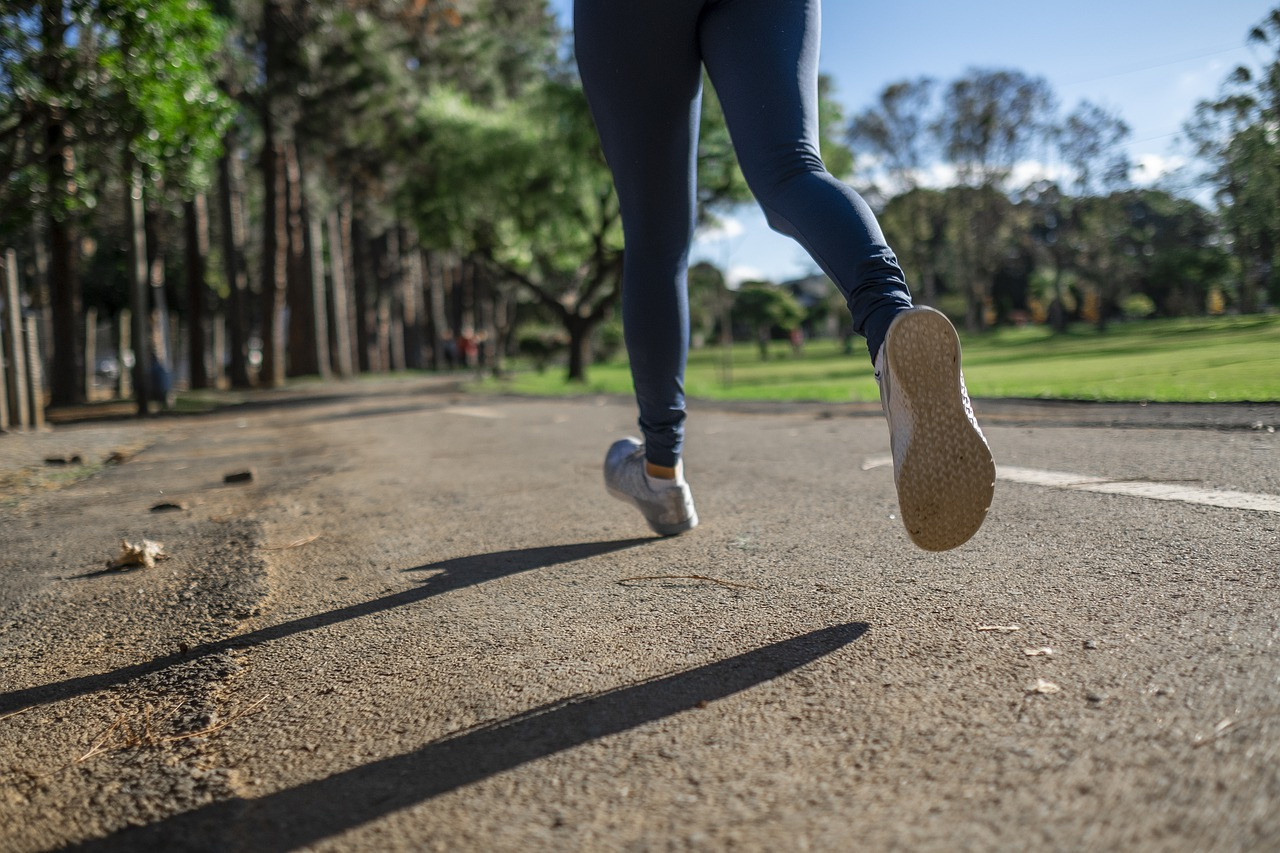
Wear comfortable footwear. Opt for supportive shoes or sandals that provide comfort and protect the soles of your feet to avoid injury.
-
Avoid heavy meals. Eating lighter meals before walking can help prevent discomfort such as nausea or acid reflux.
If you experience nausea, cramping, or discomfort, it’s important to stop walking immediately and rest. Remember, consistency in walking is more important than intensity.
If discomfort persists after resting, consult a healthcare professional for further advice or use the consultation service on the Ai Care app, available on the App Store or Play Store.
Looking for more information about health tips and tricks, first aid, and other home remedies? Click here!
- dr Hanifa Rahma
Better Health Channel. Walking for good health. Available from: https://www.betterhealth.vic.gov.au/health/healthyliving/walking-for-good-health
Daniel Preiato, RD, CSCS (2024). Is Walking After Eating Good for You?. Available from: https://www.healthline.com/nutrition/walking-after-eating
Cristina Mutchler (2024). Benefits and Downsides of Walking After Eating. Available from: https://www.verywellhealth.com/walking-after-eating-8697719
Sherri Gordon (2025). Should You Walk Before or After Eating?. Available from: https://www.health.com/should-you-walk-before-or-after-eating-11710375