Definition
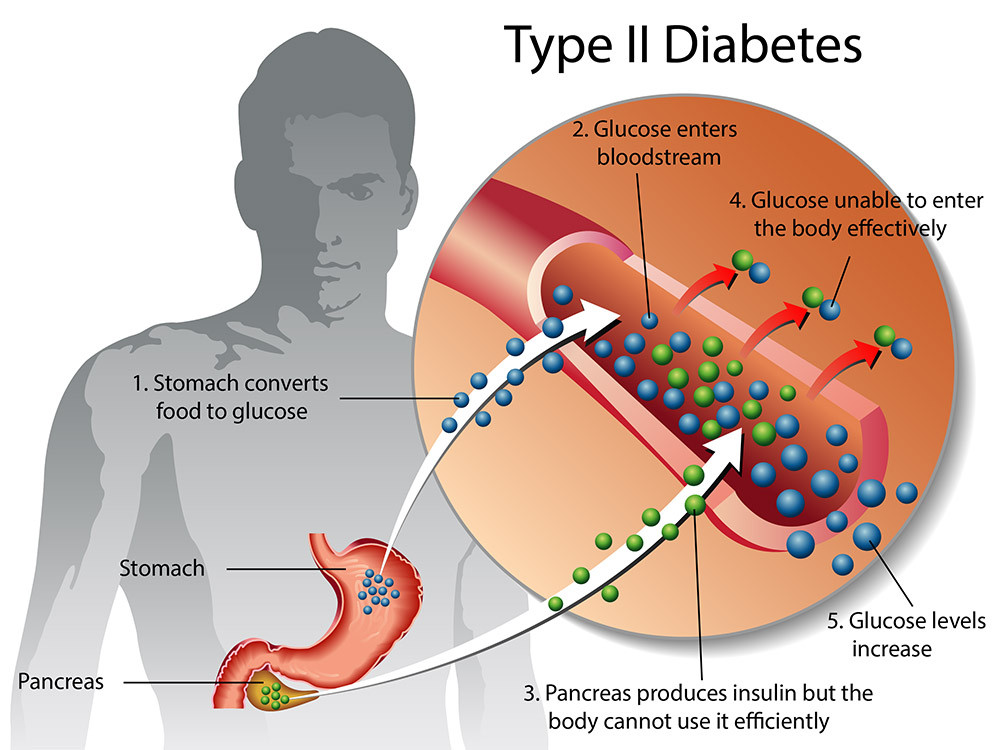
Glucose is the primary energy source that fuels the organs and tissues in the body. It is derived from the food and beverages we consume. Insulin, a hormone produced by the pancreas, plays a crucial role in enabling glucose to move from the bloodstream into the body’s cells.
After eating, blood glucose levels rise because carbohydrates are broken down into glucose and other simple sugars, stimulating the pancreas to release insulin into the bloodstream. Without insulin, glucose cannot enter the cells and will remain circulating in the blood. Therefore, maintaining a balance between insulin production and glucose levels in the bloodstream is essential for proper bodily function.
If blood glucose levels become too high or too low, it can lead to various health complications. Insulin is crucial in regulating blood glucose levels. When insulin is insufficient, it can cause high blood glucose levels, known as hyperglycemia, which is associated with diabetes. On the other hand, excessive insulin can lower blood glucose levels too much, resulting in hypoglycemia.
For individuals with diabetes, regularly monitoring blood sugar levels is essential for assessing the effectiveness of their treatment plan. One of the ways to achieve this is through the daily glucose curve test, which involves checking blood glucose levels three times a day at specific intervals.
Indication
This test is particularly recommended for individuals diagnosed with diabetes. Additionally, it is used to aid doctors in diagnosing blood sugar abnormalities, particularly if the patient displays signs of low or high blood glucose or has irregular pancreatic function.
Symptoms that may indicate the need for this test include:
-
Excessive sweating
-
Tremors
-
Irregular heartbeat
-
Confusion
-
Dizziness
-
Blurred vision
-
Intense hunger
Doctors may also recommend the daily glucose curve test for diabetes patients to monitor insulin production or detect insulin resistance. This test is commonly performed in certain situations, such as when starting a new insulin regimen, 7-14 days after adjusting an insulin dosage, three months after achieving diabetes control, during episodes when symptoms occur, or when hypoglycemia is detected.
Contraindication
The daily glucose curve test is generally considered safe with moderate risk. There are no specific contraindications for the test itself. If you have previously undergone a blood test, this procedure is similar in nature.
Preparation Before the Test
You will need to fast for 10-12 hours prior to the test, refraining from eating or drinking during that period. However, in certain cases, such as the glucose tolerance test, your doctor may advise conducting the test even if fasting is not feasible.
Certain medications can influence the test results, so it is important to inform your doctor about any medications you are currently taking. This includes anticoagulants or blood thinners, which could alter the results. Additionally, be sure to inform your doctor about any vitamins, supplements, or other treatments you are using. It is also important to remain calm and avoid stress, as this could impact your blood sugar levels.
Test Procedure
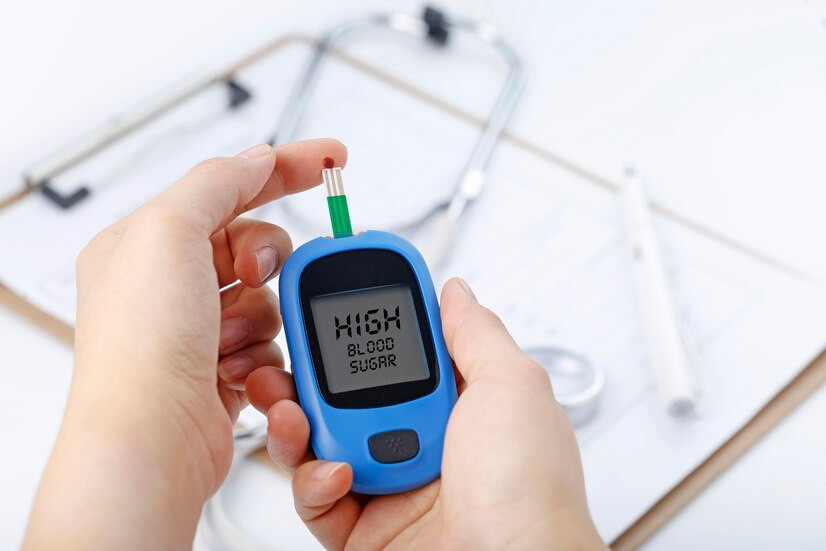
The most common method for monitoring blood glucose involves using a glucose meter and test strips. To perform the test, a small needle called a lancet is used to prick the fingertip, drawing a drop of blood. The blood is then placed on a test strip inserted into the glucose meter. Within seconds, the meter will display your blood sugar level.
Since test strips measure blood glucose levels individually, for individuals with diabetes, especially those using insulin, often need to check their blood sugar multiple times a day.
The daily glucose curve test is conducted three times daily, before breakfast, lunch, and either before or after the evening meal.
Normal and Abnormal Values
Normal values for blood insulin tests are as follows:
|
Condition |
Normal Value (mIU/L) |
|
Fasting |
< 25 |
|
30 minutes after eating |
30-230 |
|
60 minutes or 1 hour after eating |
18-276 |
|
120 minutes or 2 hours after eating |
16-166 |
The fasting blood glucose target value is generally between 80-130 mg/dL. For tests conducted 1-2 hours after eating, the blood sugar level should be less than 180 mg/dL.
Tests can also be performed at other times, such as upon waking (fasting blood sugar), before meals, after meals, before and after exercise, and before resting.
Abnormal blood insulin test values occur when the results fall below or exceed the normal range. If this happens, it is important to discuss the results with your doctor to understand what they mean in the context of your overall health.
Results and Recommendations (Follow-up Tests)
The outcomes of your test may vary based on factors such as age, gender, medical history, and the specific method used for testing. Typically, if the results are within normal ranges, they may be followed by additional tests to ensure a more accurate diagnosis.
If the results fall within the normal range, it indicates that your treatment plan is effective and aligned with your health goals. It's important to continue maintaining a healthy lifestyle and adhere to your treatment plan.
In the case of abnormal results, your doctor will evaluate the need for alternative or improved treatment options. Lifestyle changes such as improved diet, regular exercise, and better stress management can positively impact the results of daily glucose curve monitoring.
Consult the Right Doctor
If your daily glucose curve test results are irregular or unsatisfactory, it’s essential to consult an internist or an endocrinologist for further evaluation. The doctor may recommend additional tests to confirm your diagnosis and assess your condition more thoroughly. Be sure to discuss any symptoms or concerns you may have experienced during or after the test to provide your doctor with more clarity regarding your condition.
Looking for more information about laboratory, radiology, and other examination results? Click here!
- dr Hanifa Rahma
Blood Sugar Monitoring. (2023). Retrieved 17 May 2023, from https://my.clevelandclinic.org/health/treatments/17956-blood-sugar-monitoring
Pedoman Petunjuk Praktis Terapi Insulin pada Pasien Diabetes Melitus. (2021). Retrieved 17 May 2023, from https://pbperkeni.or.id/wp-content/uploads/2021/11/22-10-21-_-Website-Pedoman-Petunjuk-Praktis-Terapi-Insulin-Pada-Pasien-Diabetes-Melitus-Ebook.pdf