Definition
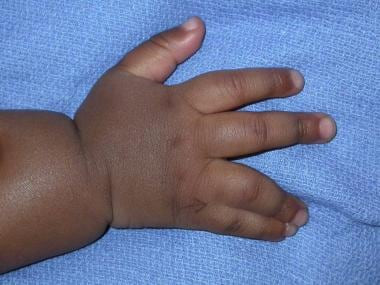
Acrosyndactyly is a condition in which two or more fingers or toes are fused together, often forming a web-like connection between them. This congenital deformity is present at birth and affects the hands or feet of newborn babies. The condition occurs when the fingers or toes split during development and then rejoin, forming a connected structure.
Acrosyndactyly primarily affects newborns, and in most cases, it is treated early, typically by the age of 1, to prevent any long-term effects. If treated early, the child may not experience any side effects or may not even be aware of the condition. However, if a baby is diagnosed with both a genetic disorder and acrosyndactyly, it can potentially lead to lifelong developmental impacts. It’s important to note that babies with acrosyndactyly do not necessarily have other developmental conditions.
Causes
Acrosyndactyly is often caused by genetic changes during fetal development. These genetic alterations disrupt the development of the baby’s fingers and toes. Some genetic disorders commonly associated with acrosyndactyly include Down syndrome, Apert syndrome, and Poland syndrome.
Research suggests that the gene responsible for acrosyndactyly is dominant, meaning that if one parent carries the gene, the baby has a higher chance of being born with the condition.
Risk Factor
Several factors increase the risk of a baby being born with acrosyndactyly:
- Gender
- Male babies have a higher likelihood of being born with acrosyndactyly than females.
- Family history
- Since acrosyndactyly is caused by a dominant gene, if one parent carries the gene, there is a greater chance that the child will inherit it
- Genetic diseases
- If there is a family history of genetic disorders involving fused fingers or toes, the baby is more likely to develop acrosyndactyly
- Race
- Acrosyndactyly is more commonly observed in white babies compared to those of other ethnicities.
Symptoms
The primary symptom of acrosyndactyly is the presence of two or more fingers or toes that are fused together. The degree of fusion determines the type of acrosyndactyly:
-
Simple Acrosyndactyly: In this case, the fingers or toes are joined together by skin only, with no involvement of bones, nerves, or blood vessels.
-
Complex Acrosyndactyly: This form involves the fusion of not only the skin but also the bones, nerves, and blood vessels. It is less common than simple acrosyndactyly.
-
Complete Acrosyndactyly: All the joints of the affected fingers or toes are fused together.
-
Incomplete Acrosyndactyly: Only a few joints are fused, leaving some parts of the fingers or toes unaffected.
This condition is typically noticeable at birth and is often diagnosed soon after delivery.
Diagnosis
The diagnosis of acrosyndactyly is typically made at birth when the doctor observes that the baby's fingers or toes are fused together. The doctor will then determine the type of acrosyndactyly based on the pattern and severity of the fusion. Usually, no further tests are necessary to diagnose this condition, as a physical examination is sufficient for the diagnosis.
In some cases, the doctor may be able to detect acrosyndactyly during a prenatal ultrasound examination. Additionally, an X-ray of the hands or feet may be required before the doctor decides on the most appropriate treatment. If there is a family history of genetic disorders, genetic testing may be recommended to check for any underlying genetic mutations that could have contributed to acrosyndactyly.
Management
The primary treatment for acrosyndactyly is surgery to separate the fused fingers or toes. This is typically done when the baby is around 1 year old. If the condition involves fused bones or tissues, the surgery will aim to separate them, followed by a skin graft to cover the separated areas.
After the surgery, a brace or cast will be applied to support the newly separated fingers or toes and promote healing. Physical therapy is also crucial to help strengthen the child's fingers and ensure that they regain full function after surgery.
Complications
As with any surgery, complications can arise during the healing process. One common issue is infection. If your baby develops signs of infection, such as fever, swelling around the surgical site, discoloration, or discharge from the fingers, contact your doctor immediately for further guidance on how to treat and care for the condition.
Prevention
While it is not possible to prevent genetic conditions like acrosyndactyly during pregnancy, it is important to note that certain environmental factors such as alcohol consumption, smoking, or using tobacco products during pregnancy may be associated with genetic conditions.
Discuss with your doctor about the foods, drinks, and activities to avoid during pregnancy to help ensure the healthiest possible outcome for your baby.
When to See a Doctor?
If you notice any changes in your baby's hands or feet, or if you observe signs of acrosyndactyly, consult your doctor for a thorough evaluation. Additionally, if your baby’s separated fingers show symptoms like:
-
Bleeding
-
Color changes
-
Swelling
-
Discharge
-
Pain or fever
Make sure to seek medical attention right away for proper treatment and care.
Looking for more information about other diseases? Click here!
- dr. Monica Salim
Syndactyly. (2022). Retrieved 31 December 2022, from https://www.childrenshospital.org/conditions/syndactyly#
Syndactyly. (2022). Retrieved 31 December 2022, from https://emedicine.medscape.com/article/1244420-overview
Syndactyly (Webbed Digits). (2022). Retrieved 31 December 2022, from https://my.clevelandclinic.org/health/diseases/23521-syndactyly-webbed-digits
Acrosyndactyly : Are we using the Term Correctly?. (2020). Retrieved 31 December 2022, from https://www.jprasurg.com/article/S1748-6815(20)30345-4/fulltext