

Definition
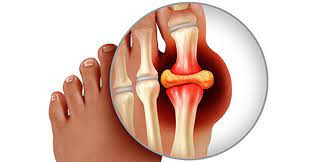
Lupus arthritis is joint inflammation caused by lupus, an autoimmune disease characterized by symptoms such as joint pain, fever, skin redness, and organ damage. Lupus arthritis is a type of arthritis and one of the symptoms of lupus.
Lupus arthritis is characterized by joint pain without swelling. Joint stiffness and pain are often felt, especially in the morning. This condition can last for several days, weeks, or even become permanent.
Read more about Lupus disease on the following link: Systemic Lupus Erythematosus (SLE) - Definition, Cause, Symptoms, and Treatment
Causes
Lupus arthritis is caused by inflammation in the joints, leading to symptoms such as pain, stiffness, or swelling. The inflammation in lupus arthritis is a result of the lupus disease itself, where the body's immune cells mistakenly attack healthy cells.
However, the exact cause of lupus remains unknown. Researchers are still working to identify the main factors that lead to lupus.
Risk Factor
The risk of developing lupus arthritis increases with the presence of risk factors for lupus itself. Although the exact cause of lupus is still unknown, researchers suggest several factors that may increase the risk of developing lupus:
- Hormonal factors. Estrogen is believed to increase the risk of lupus, making women more susceptible to the disease than men.
- Family history. If you have a family member with lupus, you are at a higher risk of developing the disease.
- Environmental factors. Exposure to ultraviolet sunlight, certain medications, a history of specific viral infections, or stress can increase the risk of developing lupus.
- Smoking. This factor is also known to increase the risk of lupus.
Symptoms
Common symptoms of lupus arthritis include joint stiffness or pain, which may be accompanied by swelling. The symptoms of this disease can resemble those of rheumatoid arthritis. Both conditions can affect small joints and occur symmetrically (affecting both sides of the body, such as both hands or feet). However, symptoms of lupus arthritis are usually milder than those of rheumatoid arthritis.
Joint swelling in lupus arthritis is typically mild or may not be present at all. Symptoms often appear for a short duration, sometimes disappearing in a few days, and can shift from one joint to another.
A distinguishing feature of lupus arthritis compared to other types of arthritis is the presence of other lupus symptoms, along with a confirmed diagnosis of lupus. Lupus symptoms vary among individuals, ranging from red skin rashes, fever, and light sensitivity to hair loss and issues with the blood or respiratory systems.
Diagnosis
Before diagnosing lupus arthritis, doctors will first diagnose lupus. Generally, doctors will identify and examine typical signs of lupus based on symptoms and medical history. A lupus diagnosis checklist may also be used; if you have at least 4 out of 11 criteria, you are considered to have lupus.
Doctors may also perform autoimmune tests, such as the Antinuclear Antibody (ANA) test, to detect antibodies or proteins in the body that fight diseases and to identify autoimmune disorders.
However, a positive ANA result does not necessarily indicate lupus. The doctor will conduct additional tests, usually at least three, to confirm a lupus diagnosis.
Management
The treatment of lupus arthritis includes managing the underlying lupus disease. The treatment and care of lupus depend on several factors, such as:
- The symptoms and complications you are experiencing
- The severity of the case
- Your age
- Current medications
- Overall health status
- Medical history
It is important to note that lupus requires lifelong treatment and care. The goal of lupus treatment is to reduce symptoms and prevent damage to organs or other parts of the body. Doctors may prescribe various medications based on the symptoms, such as anti-inflammatory drugs and immunosuppressants.
One medication that may be prescribed for lupus arthritis is hydroxychloroquine, which is known to reduce joint pain caused by lupus arthritis.
Complications
Severe lupus arthritis can cause deformities in the joints, especially in the fingers. These changes resemble a swan's neck, known as "swan neck deformities."
Additionally, other complications can arise due to lupus, such as pregnancy complications, kidney disorders, central nervous system issues, infections, bone tissue death, and an increased risk of cancer.
Prevention
Preventing lupus arthritis essentially means preventing lupus itself. Lupus cannot be prevented since its exact cause is unknown. However, you can reduce the severity of lupus symptoms by:
- Avoiding sun exposure, especially to ultraviolet-rich sunlight, as direct exposure can worsen skin issues in lupus patients. You can reduce exposure by wearing long-sleeved clothing and using sunscreen.
- Light exercise. Joint stiffness and pain should not make you sedentary. It is essential to stay active, such as by engaging in light exercises.
- Healthy lifestyle. This can improve your overall quality of life and reduce lupus symptoms. Healthy habits include eating nutritious foods, getting enough sleep, and minimizing stress.
When to See a Doctor?
If you experience other lupus symptoms in addition to lupus arthritis, inform your doctor. Lupus can take a long time to diagnose due to its broad, general symptoms that develop slowly. A prompt and accurate diagnosis is crucial for managing the condition and improving your quality of life.
Looking for more information about other diseases? Click here!
- dr Ayu Munawaroh, MKK
Lupus (Systemic Lupus Erythematosus). (2021). Retrieved 06 December 2022, from https://my.clevelandclinic.org/health/diseases/4875-lupus
Lupus. (2022). Retrieved 06 December 2022, from https://www.webmd.com/lupus/arthritis-lupus
Joint Pain in People with Lupus : Is It Really Arthritis?. (2022). Retrieved 06 December 2022, from https://www.hss.edu/conditions_joint-pain-lupus-really-arthritis.asp
Lupus. (2020). Retrieved 06 December 2022, from https://www.nhs.uk/conditions/lupus/