Definition
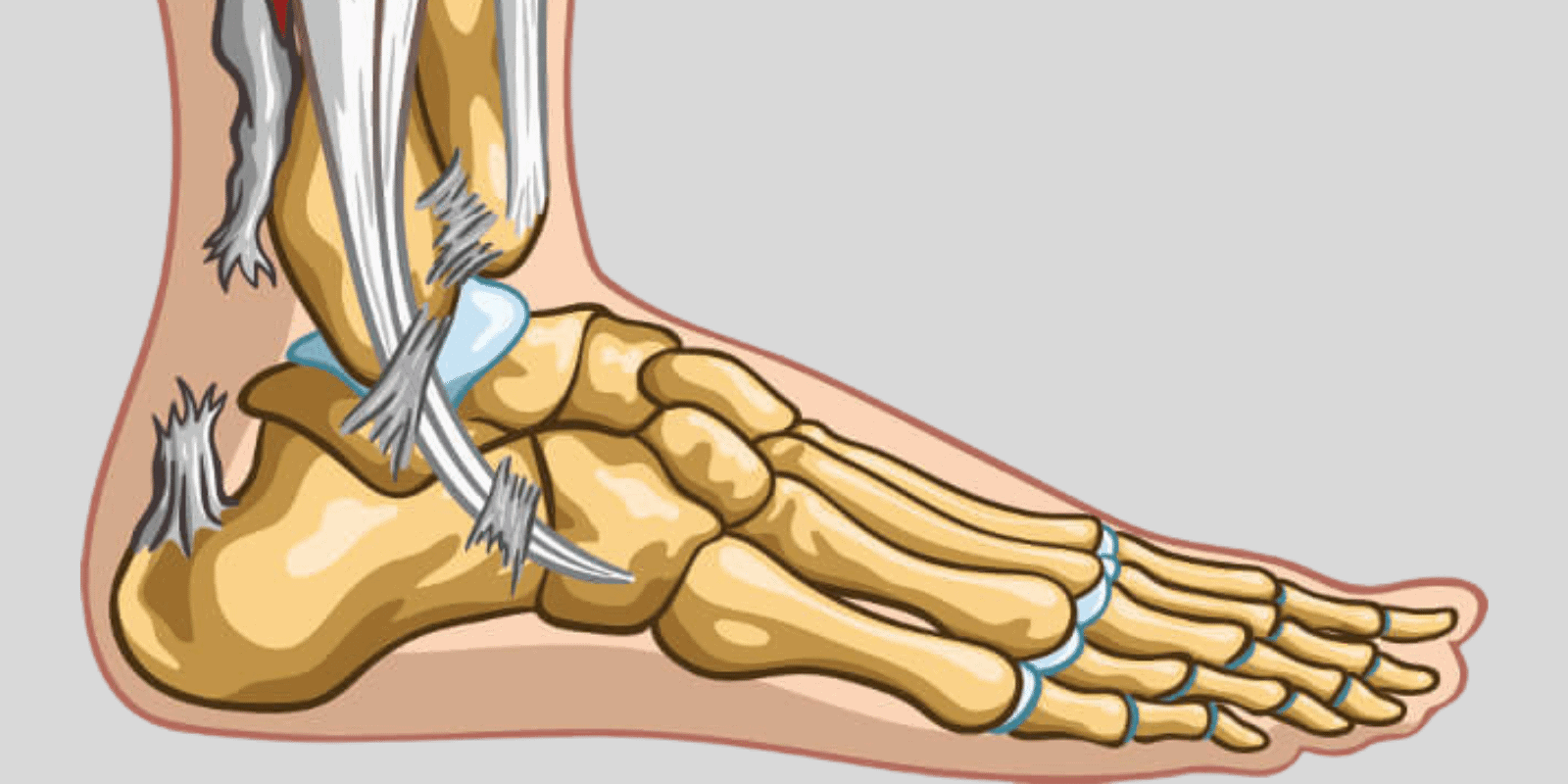
Tendons are connective tissues that link muscles to bones near joints. In some cases, tendons may also connect muscles to other structures, such as the eyeball. Unlike tendons, ligaments connect bones to bones, but both tendons and ligaments share a fibrous structure.
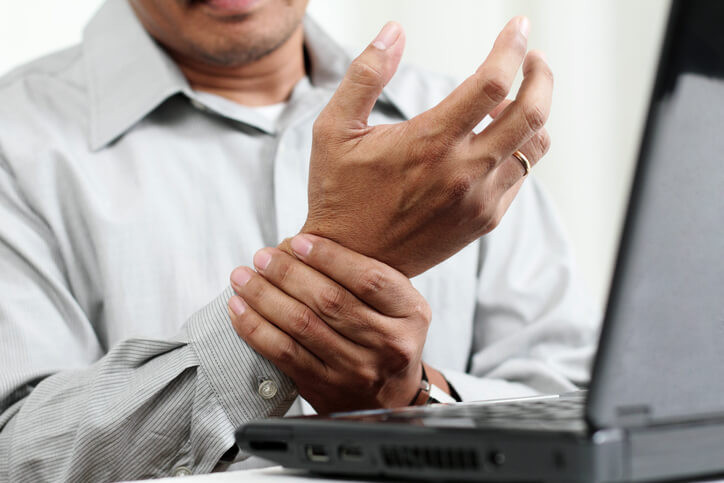
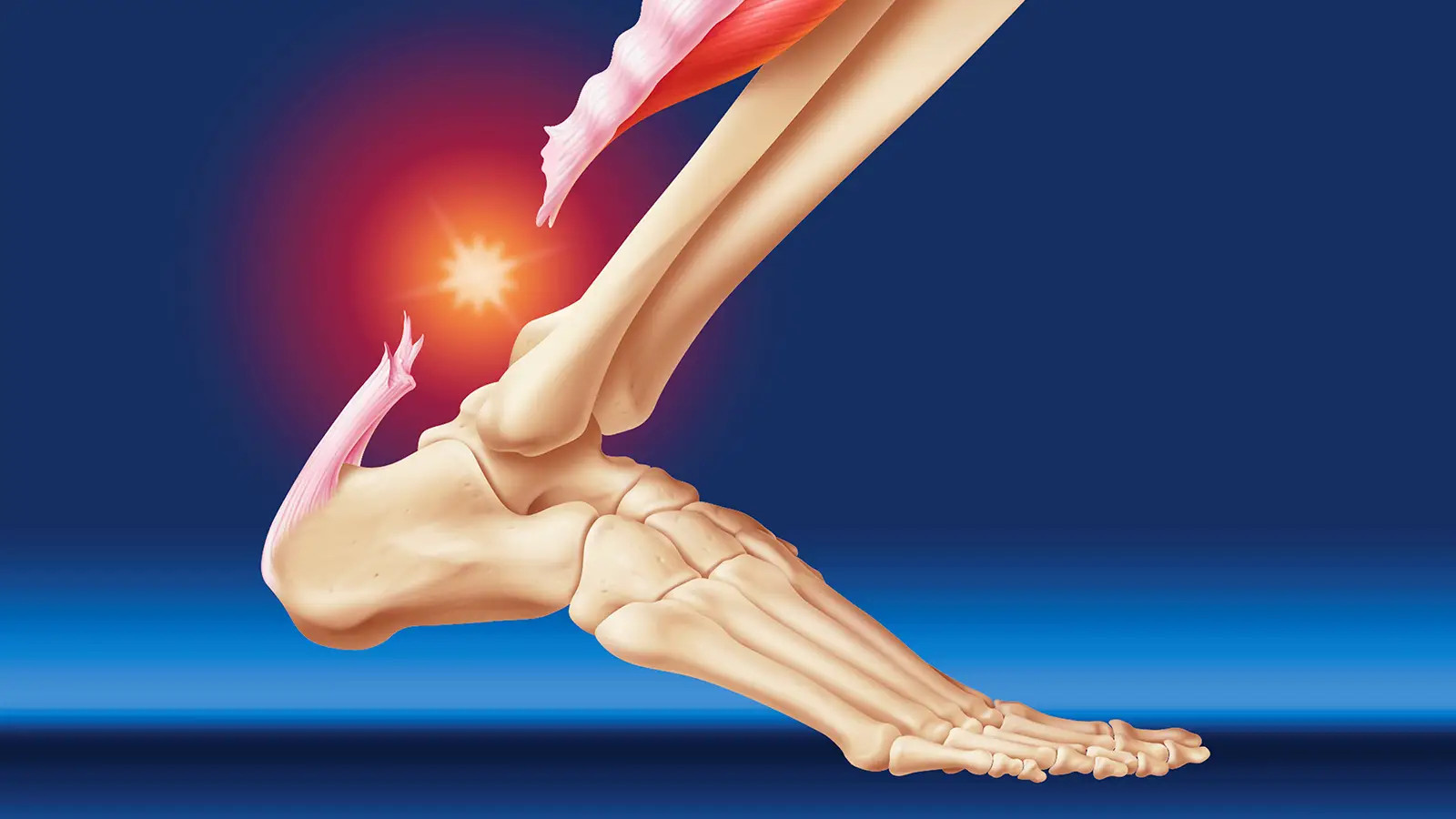
Tendon injuries occur when a load or pressure damages the tendon. Tendon injuries are most commonly found near joints like the shoulder, elbow, knee, and ankle. The heel and elbow are the most frequent sites for tendon injuries.
Other terms related to tendon injuries include:
-
Tendonitis: Pain caused by inflammation or irritation of the tendon.
-
Tendinosis: Degeneration or aging of the tendon, usually caused by repeated injury or structural changes in the tendon, rather than inflammation. Tendinosis is typically long-term, and treatment takes a longer period.
-
Tendinopathy: General tendon damage that encompasses both tendonitis and tendinosis.
Causes
Tendon injuries can occur suddenly, but they are often the result of repeated small tears in a pre-existing tendon. Most tendon injuries happen due to gradual wear and tear from overuse or aging.
Common causes of tendon injuries include:
-
Failure to warm up before physical activity
-
Injuries during exercise
-
Repetitive or excessive movements
-
Physical changes (like postural abnormalities)
-
Incorrect movements, especially during exercise
-
Improper sports equipment, such as poorly fitting shoes
Risk Factor
While anyone can experience a tendon injury, people who perform repetitive motions at work, during sports, or in daily activities are at a higher risk of tendon damage.
Certain groups are more vulnerable to tendon injuries, including:
-
Women
-
Athletes
-
People over 40 years of age
-
Individuals taking specific medications
-
People with certain medical conditions
-
Those with weak muscles
Tendon injuries are often associated with exercise, and the location of the injury depends on the type of sport or activity. Common locations for tendon injuries include:
-
Achilles tendon: Located in the heel, commonly injured in professional athletes
-
Patellar tendon: Found in the knee, more common in women
-
Supraspinatus tendon: In the shoulder, often related to rotator cuff injuries
-
Lateral epicondyle tendon: In the elbow, commonly called tennis elbow, which is most frequent in tennis players, but can occur in other professions as well.
Symptoms
Tendon injuries typically present symptoms such as:
-
Pain, tenderness, redness, warmth, and/or swelling around the affected tendon. The pain generally worsens with activity. Symptoms can be localized at the injury site or may radiate beyond the joint, unlike arthritis, where pain is typically confined to the joint.
-
Crepitus: A cracking or popping sensation when the tendon is moved, which can cause discomfort or pain.
-
Joint stiffness near the injured tendon. Movement or light exercise can often alleviate stiffness, but excessive movement before the tendon has healed can worsen symptoms or cause pain and stiffness to return.
-
Pain and stiffness that worsens at night or in the morning upon waking.
The symptoms of tendon injuries can closely resemble bursitis, which is the inflammation of the bursa (a part of the joint).
Diagnosis
To diagnose a tendon injury, your doctor will ask about your medical history and symptoms, followed by a physical examination. If the injury is linked to the use of sports equipment or tools, your doctor may ask you to demonstrate how you've been using them.
If the symptoms are severe or don't improve with initial therapy, further tests may be recommended, such as X-rays, ultrasound, or MRI.
Management
Most tendon injuries can be treated at home. For optimal recovery, follow these immediate steps after the injury:
-
Rest the injured area and avoid activities that could worsen the injury.
-
Apply ice or a cold compress for 10-15 minutes every 2 hours during the first three days after the injury.
-
Use topical pain relievers, such as balms, creams, or pain-relieving patches.
-
Over-the-counter pain relievers, like paracetamol or ibuprofen, can help manage pain. Always follow the instructions on the medication packaging for correct dosage.
Once the pain subsides, you can gradually return to normal activities. However, avoid intense physical activity initially. Slowly increase the intensity of exercises and stop if you experience pain. Make sure to warm up and stretch before exercising, and cool down afterward. After activity, applying a cold compress can help prevent swelling and pain.
If these measures don't provide relief, your doctor may recommend physiotherapy. For severe or prolonged injuries, using a splint, brace, or cast may be necessary to keep the tendon stable.
Healing a tendon injury can take weeks to months, so patience is crucial. Using the injured tendon too soon can lead to further damage.
Complications
Untreated tendon injuries can increase the risk of tendon rupture, which may require surgery to repair the tendon.
Prevention
There are several tips to help prevent tendon injuries:
-
Be cautious when lifting heavy objects to avoid straining the tendon.
-
Massage and stretch after weight training to reduce tension in the tendons.
-
Improve your exercise technique to avoid incorrect movements that could lead to injury.
-
Gradually increase weights during exercise and reduce them if they cause pain.
-
Wear well-fitting, comfortable shoes to support your feet and tendons.
If you've previously experienced a tendon injury, consider changing your activity or how you do it to avoid re-injury. For example, replace running with swimming if running causes frequent injuries.
If sports are contributing to your injuries, take a class or seek professional guidance to assess and improve your technique. If your job is causing the injury, talk to your HR department to explore alternative work methods.
Always take time to warm up and stretch before exercise and cool down afterward to protect your tendons.
When to See a Doctor?
While most tendon injuries improve with self-care, consult a doctor if the symptoms don't improve after several days, and the injury interferes with your daily activities.
Looking for more information about other diseases? Click here!
- dr Hanifa Rahma
Wu F, Nerlich M, Docheva D. Tendon injuries: Basic science and new repair proposals. EFORT Open Rev. 2017 Jul 27;2(7):332-342. Available at https://www.ncbi.nlm.nih.gov/pmc/articles/PMC5549180/
Tendon injuries: What is it, symptoms and treatment (no date) Top Doctors. Available at: https://www.topdoctors.co.uk/medical-dictionary/tendon-injuries
Content map terms (2021) Tendon Injury (Tendinopathy) | HealthLink BC. Available at: https://www.healthlinkbc.ca/illnesses-conditions/injuries/tendon-injury-tendinopathy
Tendinopathy: Symptoms, causes & treatment (no date) Cleveland Clinic. Available at: https://my.clevelandclinic.org/health/diseases/22289-tendinopathy