Definition
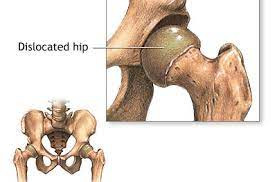
Pelvic dysplasia is a medical term used to describe a condition where the bones in the hip joint are misaligned, causing the ends of the bones in the pelvic area to become dislocated. Dislocation is when a bone shifts or is displaced from its normal position.
In the hip joint, the pelvic bone connects with the upper thigh bone. The top part of the thigh bone is round, like a ball, and fits into a "socket" on the pelvic bone. Most patients with pelvic dysplasia are born with a condition where the socket on the pelvic bone is too narrow, making it unable to encompass the entire top of the thigh bone. Due to the loose hip joint, the thigh bone can easily become partially or fully dislocated from the pelvic bone.
This condition can damage the cartilage that cushions the pelvic and thigh bones. As a result, the patient may feel pain. Pelvic dysplasia can occur on one or both sides of the hips but is more common in the left hip. About 1 in 1,000 babies are born with pelvic dysplasia.
Causes
The joint connecting the pelvic bone to the thigh bone has a specific size. During pregnancy, if there is any abnormality in the development of this structure, the joint size can become either too narrow or too loose.
The position of the fetus in the womb, which puts pressure on the pelvis, can lead to pelvic dysplasia. A few months before birth, as the fetus grows larger, the space in the womb may become "tight," causing pressure on the pelvis. As a result, the thigh bone can easily detach from the pelvic bone.
Risk Factor
Pelvic dysplasia can be hereditary and is more commonly found in females. Firstborn children and larger babies are more likely to develop this condition. Additionally, breech positioning of the fetus after 28 weeks of pregnancy can increase the risk of a baby being born with pelvic dysplasia.
The risk of pelvic dysplasia is also higher in babies who are tightly swaddled with their hips and knees straightened.
You can read the article about fetal malpresentation in the uterus here: Fetal Malpresentation - Definition, Causes and Risk Factors
Symptoms
The signs and symptoms of pelvic dysplasia vary across different age groups. In mild cases, pelvic dysplasia may not cause symptoms until adolescence or adulthood.
In babies, it may be noticeable that the two legs are not symmetrical, with one leg appearing longer than the other. When changing diapers, one side of the pelvis may feel less flexible than the other. As a child begins to walk, they may show signs of limping.
In teenagers and young adults, pelvic dysplasia can cause damage to the cartilage in the hip joint area, eventually leading to tears. They may complain of pain in the groin area and may also experience a sensation of instability in the pelvis.
Diagnosis
Generally, after birth, doctors perform routine examinations to ensure the baby is healthy and free from congenital abnormalities. This checkup is usually done a few days after the baby is born. The doctor will move the baby's legs into certain positions to check if the joints are normal and functioning well.
Mild cases of pelvic dysplasia can be difficult to diagnose because they may not show symptoms until a person is older. If a doctor suspects pelvic dysplasia based on the mother's pregnancy history, family medical history, or if the baby's pelvis feels unstable during examination, the doctor may recommend imaging tests such as X-rays, ultrasounds, or MRIs of the pelvic area.
Management
Treatment for pelvic dysplasia depends on the patient's age and the degree of pelvic damage.
Pavlik Harness
If pelvic dysplasia is diagnosed in early infancy, the use of a brace, such as the Pavlik harness, may help stabilize the baby's pelvis and allow it to develop normally. This brace must be worn constantly for 6-12 weeks and should not be removed except by medical personnel. The harness can be adjusted during follow-up appointments with the doctor. The doctor will provide detailed instructions on how to care for the baby while using the Pavlik harness, including:
- How to change the baby's clothes without removing the harness. Diapers can be used normally.
- How to clean the harness without removing it. The harness can be cleaned with detergent and a toothbrush.
- How to position the baby while sleeping. The baby should sleep on their back, not on one side.
- How to prevent skin irritation around the harness straps. It is recommended to wrap the straps with soft, hygienic fabric.
Surgical Procedure
Braces do not have the same effect on babies older than 6 months. At this age, doctors will reposition the bone and hold it in place for several months using a full-body cast.
Surgery may be necessary for babies diagnosed with pelvic dysplasia after 6 months or if the Pavlik harness does not help. The most common surgical procedure involves reducing the dislocation by returning the top of the thigh bone into the socket in the hip joint. This reduction surgery is performed under general anesthesia. The child may need to wear a cast for at least 12 weeks after surgery.
Hip replacement surgery may be an option for adults when the condition has damaged the pelvis to the point of causing joint inflammation and disability.
With early diagnosis and treatment, the need for surgery in children is reduced, and the child is more likely to develop normally in the future.
Complications
If left untreated, the cartilage lining the socket of the hip joint can tear. This condition can make a person prone to joint inflammation. Over time, this will damage the cartilage in the bones that helps the bones move against each other within the joint. Ultimately, pelvic dysplasia can cause movement problems, such as limping.
Prevention
Most cases of pelvic dysplasia cannot be prevented. To reduce the risk of pelvic dysplasia after birth, avoid swaddling your child too tightly.
A newborn's pelvis is usually more flexible shortly after birth. However, if a baby is swaddled too tightly for too long, it may cause problems with the baby's pelvis. To reduce this risk, do not swaddle the baby tightly. Ensure that your baby can move their hips and knees freely to allow them to kick comfortably.
When to See a Doctor?
It is important to consult a doctor immediately if you notice your child exhibiting any of the following symptoms:
- One leg cannot be extended as far as the other
- One leg appears longer than the other
- The child drags one leg while crawling
- The child shows signs of limping while walking
Looking for more information about other diseases? Click here!
- dr Hanifa Rahma
Hip dysplasia (2022) Mayo Clinic. Mayo Foundation for Medical Education and Research. Available at: https://www.mayoclinic.org/diseases-conditions/hip-dysplasia/symptoms-causes/syc-20350209 (Accessed: November 21, 2022).
Developmental dysplasia of the hip (2022) NHS choices. NHS. Available at: https://www.nhs.uk/conditions/developmental-dysplasia-of-the-hip/ (Accessed: November 21, 2022).
Hip dysplasia: Symptoms, causes, treatments, tests & recovery (2018) Cleveland Clinic. Available at: https://my.clevelandclinic.org/health/diseases/17903-hip-dysplasia# (Accessed: November 21, 2022).