Definition
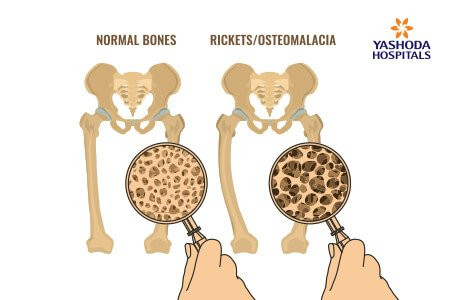
Osteomalacia, or "soft bones," is a disorder characterized by impaired mineralization of osteoid during bone development. Osteoid refers to the unmineralized, organic portion of bone tissue.
Due to the impaired mineralization, bone cell breakdown occurs more rapidly than the formation of new bone cells. In osteomalacia, the bone tissue becomes weak and soft, making the bones more prone to bending and fractures. This condition is most commonly found in adults, although it can also occur in children.
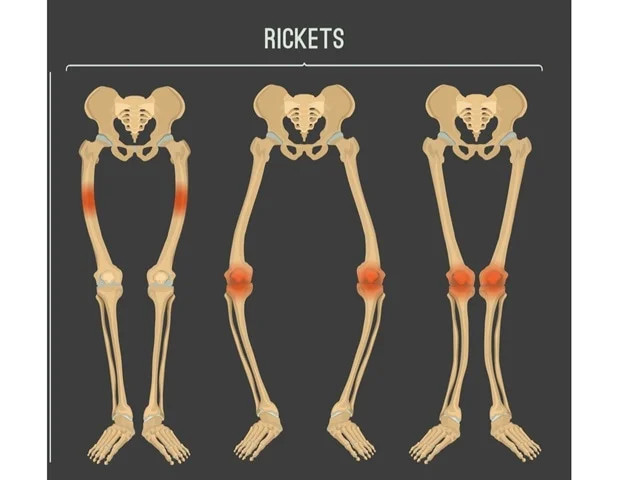
Bone weakness can also occur in children, which is called rickets and you can read about it here: Rickets—Definition, Cause, and Risk Factor.
Causes
Bone tissue undergoes a regular process of cell replacement, where old bone cells are removed and replaced with new ones. The outer layer of bone has a hard coating, while the inside has a softer structure. Layers of calcium and phosphorus form this outer shell, so the strength of the bone depends on the amount of these minerals present.
Vitamin D plays a crucial role in maintaining calcium and phosphate levels in the blood. It helps the body absorb calcium from food, which is then used to strengthen bones.
Thus, a deficiency in vitamin D can lead to a lack of calcium and phosphorus in the body. The most common cause of osteomalacia is vitamin D deficiency, resulting in bones becoming weak and soft.
Risk Factor
Individuals deficient in vitamin D are susceptible to osteomalacia. Here are some conditions that may increase the risk of vitamin D deficiency:
- Inadequate dietary intake of vitamin D, calcium, and phosphate
- Living in areas with low sunlight exposure
- Being confined indoors due to illness or frailty
- Working indoors during daylight hours
- Wearing clothing that covers most of the skin
- Having darker skin, which reduces the body's ability to produce vitamin D from sunlight.
- Using strong sunscreen
- Digestive disorders that prevent proper absorption of vitamin D from food
- Avoiding dairy products or following a strict vegetarian diet
- Undergoing gastric surgery (such as gastric bypass)
- Having kidney disease
- Rare genetic disorders
- Liver disease that affects vitamin D metabolism
- Side effects from medications like anticonvulsants or certain antibiotics
- Premature infants, pregnant women, and breastfeeding mothers are at higher risk of vitamin D deficiency
Symptoms
In the early stages, osteomalacia may not cause any symptoms. However, as the disease progresses, symptoms can develop. Bone pain is a common complaint, often felt in the legs, groin, knees, and upper thighs.
Pain may occur when standing, walking, or running, and it often subsides when sitting or lying down. Occasionally, even a light impact can cause severe pain. Over time, patients may experience widespread pain, and simple movements may become painful.
Other symptoms of osteomalacia include:
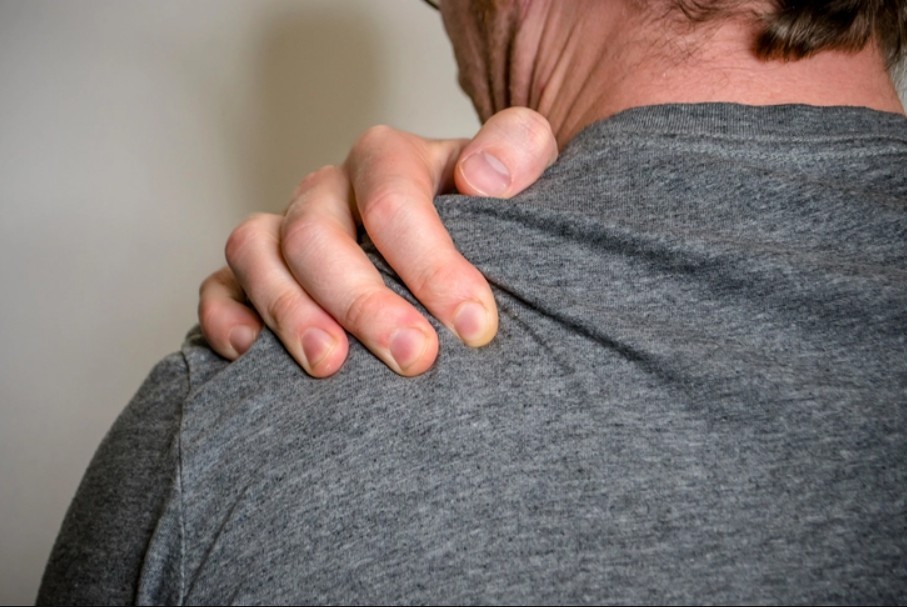
- Pain, stiffness, and weakness in muscles, especially in the thighs, shoulders, and torso. Muscle cramps may also occur, making it difficult for patients to climb stairs, get out of bed, or stand
- Bones that fracture easily, even without significant trauma or from minor falls. Fractures most commonly occur in the hips, lower back, and legs
- Changes in bone shape, such as bowing
- Difficulty walking and changes in gait, such as limping
Patients may also experience a deficiency in calcium. Symptoms of low calcium levels include:
- Tingling around the mouth, possibly accompanied by numbness in the arms and legs
- Cramps or stiffness in the hands or feet, among others
If you are interested in reading more about muscle weakness, read here: Myopathy - Definition, Causes, and Risk Factor.
Diagnosis
Since osteomalacia may not cause symptoms early in its course, a diagnosis may not be made until several years later. Typically, unexplained fractures raise suspicion for osteomalacia and warrant further investigation. Several tests can help determine if someone has osteomalacia.
Blood Tests
Blood tests are conducted to check levels of:
- Vitamin D
- Kidney function (creatinine)
- Calcium
- Phosphate
- Electrolytes
- Alkaline phosphatase
- Parathyroid hormone
The most crucial indicator is low vitamin D levels, although significantly low calcium or phosphate levels may also indicate osteomalacia. Individuals with specific conditions may require regular blood tests to monitor phosphate and calcium levels.
Radiology
An X-ray can help detect signs of osteomalacia. A bone density scan may also be performed to assess the amount of calcium and other minerals in a section of bone. This scan is not necessary for diagnosing osteomalacia but can provide valuable information about bone health.
Tissue Biopsy
A bone biopsy, though rare, may be performed. This test involves taking a small sample of bone tissue to be examined under a microscope.
Management
People with osteomalacia may need to take vitamin D, calcium, or phosphate supplements, depending on their specific case. For instance, patients with malabsorption issues (where the intestines cannot properly absorb nutrients or vitamins) may require higher amounts of vitamin D and calcium.
Some people with vitamin deficiencies will see improvement within a few weeks. With appropriate treatment, recovery should occur within six months.
Other therapies to manage or alleviate symptoms of osteomalacia may include:
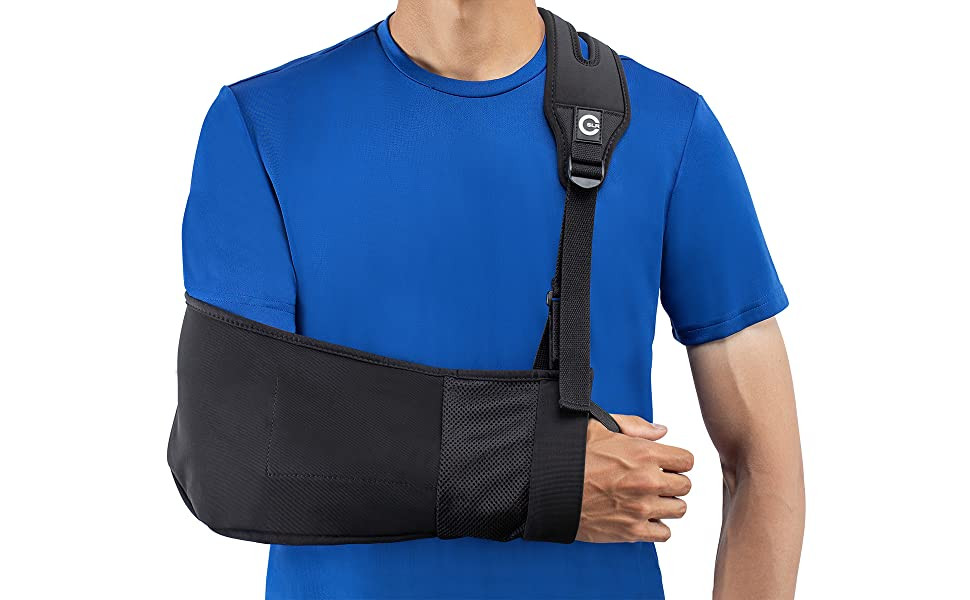
- Using braces to reduce the risk of or prevent bone deformities
- Surgery to correct severe bone deformities
- Getting sufficient sunlight exposure
However, patients with kidney failure or genetic osteomalacia may require lifelong treatment and regular monitoring
Complications
Pseudofractures associated with osteomalacia are known as Looser's zones. These can be very painful and make walking difficult. Sometimes, these cracks in the bones can lead to complete fractures.
Prevention
Consuming foods rich in vitamin D and calcium and getting adequate sunlight exposure can help prevent osteomalacia caused by vitamin D deficiency.
Vitamin D can be found in small amounts in some foods, such as:
- Fatty fish
- Red meat
- Egg yolks
- Fortified cereals and margarine
Calcium can be obtained from foods such as:
- Milk, cheese, and other dairy products
- Leafy green vegetables like broccoli or cabbage (but not spinach)
- Soybeans and other beans
- Tofu
- Bread and products made from fortified flour
- Fish with soft bones, like sardines
Other ways to maintain bone health include:
- Limiting alcohol consumption
- Not smoking
- Engaging in regular exercise, especially weight-bearing exercises, but avoiding intense activities when experiencing bone pain
- Maintaining an ideal body weight
When to See a Doctor?
Consult a doctor if you sustain a fracture without an obvious cause for further evaluation.
Looking for more information about other diseases? Click here!
- dr Hanifa Rahma
Osteomalacia: Medlineplus medical encyclopedia (2020) MedlinePlus. U.S. National Library of Medicine. Available at: https://medlineplus.gov/ency/article/000376.htm (Accessed: December 5, 2022).
Osteomalacia (soft bones): Symptoms, causes, treatments & tests (2018) Cleveland Clinic. Available at: https://my.clevelandclinic.org/health/diseases/13017-osteomalacia (Accessed: December 5, 2022).
Osteomalacia (no date) Versus Arthritis. Available at: https://www.versusarthritis.org/about-arthritis/conditions/osteomalacia/ (Accessed: December 5, 2022).
Osteomalacia and rickets (2022) Amboss. Available at: https://www.amboss.com/us/knowledge/Osteomalacia_and_rickets/ (Accessed: December 5, 2022).