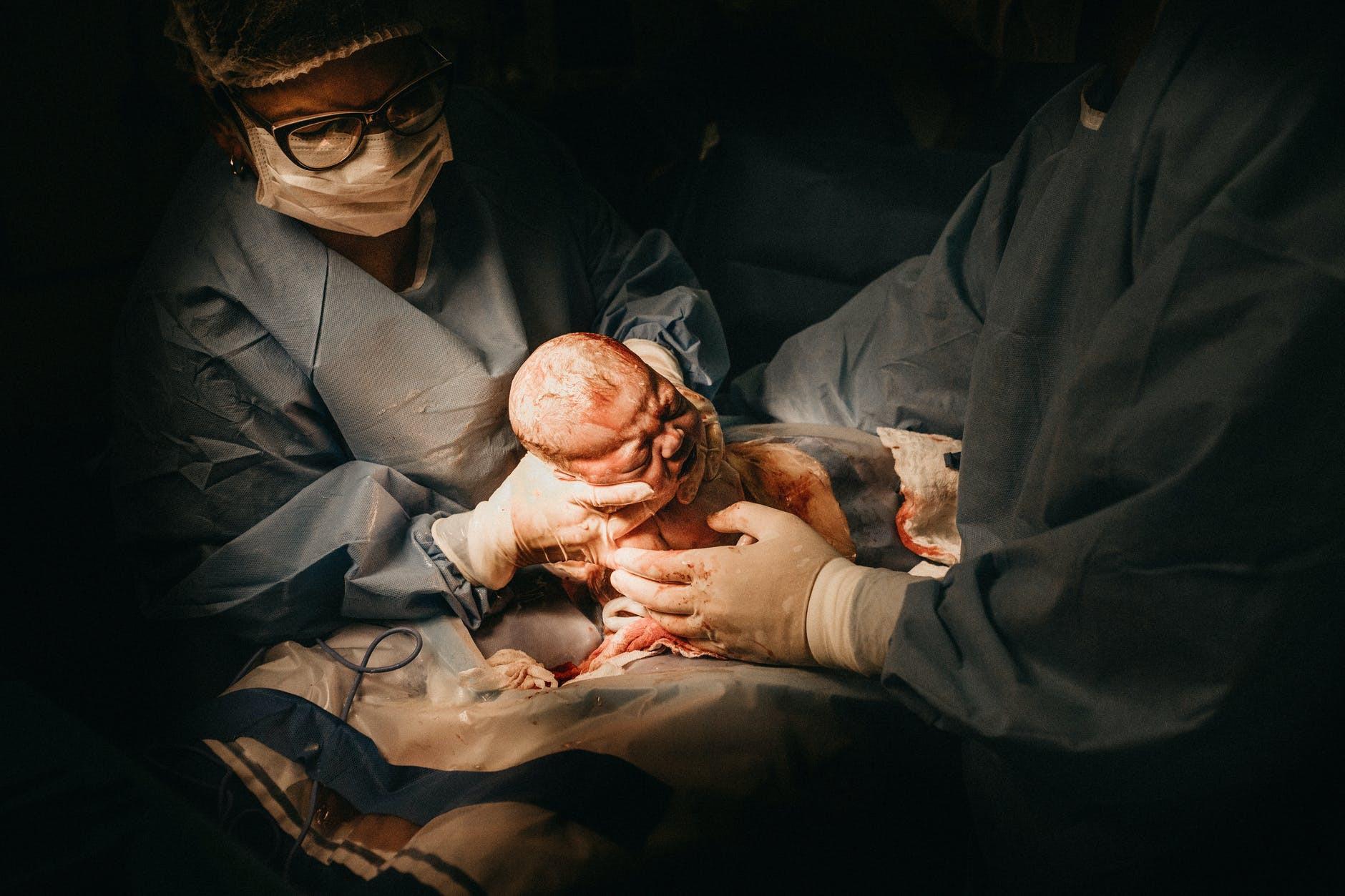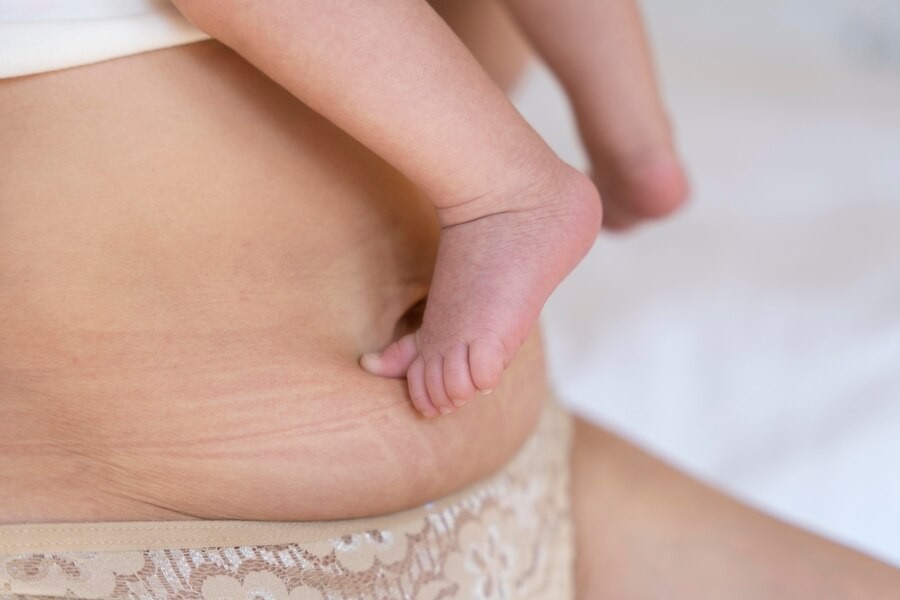

A cesarean section (C-section) is a surgical procedure used to deliver a baby through incisions made in the abdomen and uterus. This procedure is typically performed to prevent potential complications during childbirth.
While a cesarean delivery is often considered to be less painful and easier than a vaginal delivery, it does not come without its risks. According to WebMD, here are some of the potential risks associated with a C-section.
Risks of a Cesarean Delivery
The risks involved with a cesarean section include uterine inflammation, infection at the surgical incision, and even more rare complications, such as surgical injury to the bladder or intestines. Another serious risk is amniotic fluid embolism, where amniotic fluid enters the mother’s bloodstream.
The recovery period following a cesarean section is generally longer, ranging from 4 to 6 weeks. However, many women continue to feel pain at the incision site for up to 24 weeks after delivery.
To aid in the recovery process, it is essential to have support from your partner and close family members, both emotionally and physically. Being prepared and understanding what to expect can help you recover faster, especially if you are aware of how to handle potential complications.
24 Hours After a C-Section
The first 24 hours after a C-section are often described as the most challenging part of the recovery process. Here is what you can expect during this time:
-
Pain: Mothers will need to adjust to breastfeeding, holding their baby, and managing post-operative pain. Doctors will typically prescribe pain relievers for the first 3-4 days to help manage this discomfort.
-
Abdominal cramps: During the first 24 hours, pain is generally most intense at the incision site. Additionally, postpartum cramps are common as the uterus begins to shrink back to its normal size. These cramps can feel similar to, but more intense than, menstrual cramps.
-
Blood clots: Blood clots are a significant risk after a C-section. Clots often develop in the legs, especially for mothers who may be overweight or have remained sedentary for extended periods after childbirth.
-
Risk of infection: Doctors and nurses will carefully monitor the surgical incision for signs of infection.
The First Month After a Cesarean Section
In the first week following a C-section, the risk of infection remains a major concern. Additionally, heavy vaginal bleeding is a warning sign, and you should seek immediate medical help if this occurs. This bleeding can continue for up to 4-6 weeks post-delivery.
During the first 4-6 weeks, you should avoid strenuous activities such as exercising, driving, or lifting heavy objects. Doctors often prescribe pain relievers for up to two weeks after delivery, especially since the incision will remain sore for this period.
Risks After a Cesarean Section
While many women fully recover within 6 to 8 weeks, some may take longer due to specific conditions, such as:
-
Slow healing of the incision site
-
Persistent muscle pain at the incision site that can last for several months
-
Urinary incontinence due to weakened pelvic floor muscles
To speed up your recovery, doctors recommend getting plenty of rest, taking care of your body, continuing pain relief as prescribed, and focusing on good nutrition to restore your energy.
If you experience complications such as swelling at the incision site, persistent pain, fever above 38°C, foul-smelling vaginal discharge, heavy bleeding, swollen legs, chest pain, or difficulty breathing, seek immediate medical attention.
Looking for more information about health tips and tricks, first aid, and other home remedies? Click here!
- dr Hanifa Rahma
Johnson T (2020). What Are the Risks of a C-Section?. Available from: https://www.webmd.com/baby/risks-of-a-c-section
Watson S (2021). C-Section: Tips for a Fast Recovery. Available from: https://www.healthline.com/health/pregnancy/c-section-tips-for-fast-recovery
Villines Z (2018). How to speed up recovery from a cesarean delivery. Available from: https://www.medicalnewstoday.com/articles/323229
Mayo Clinic Staff (2020). C-section. Available from: https://www.mayoclinic.org/tests-procedures/c-section/about/pac-20393655