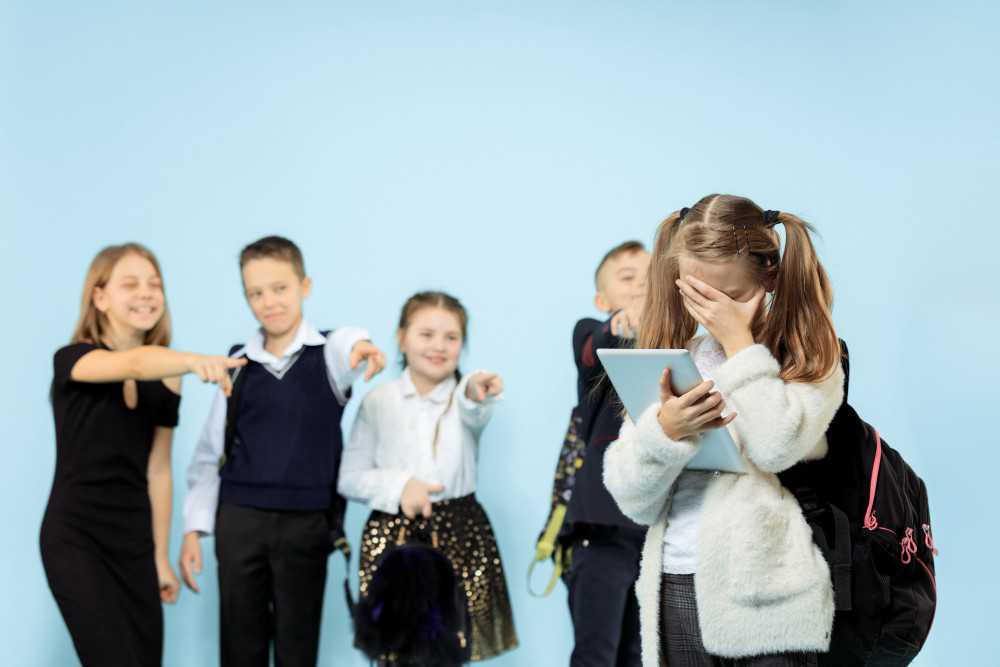
Have you or your child ever faced bullying? Bullying is a serious issue that can happen at home or at school. It can feel like a nightmare for the victim and may leave long-lasting trauma into adulthood. You might not be able to stop every incident at school. Even so, there are steps you can take when your child experiences bullying to reduce the risk of lasting harm.
Tips If Your Child Becomes a Victim of Bullying
1. Recognize the Signs That Your Child Is Being Bullied
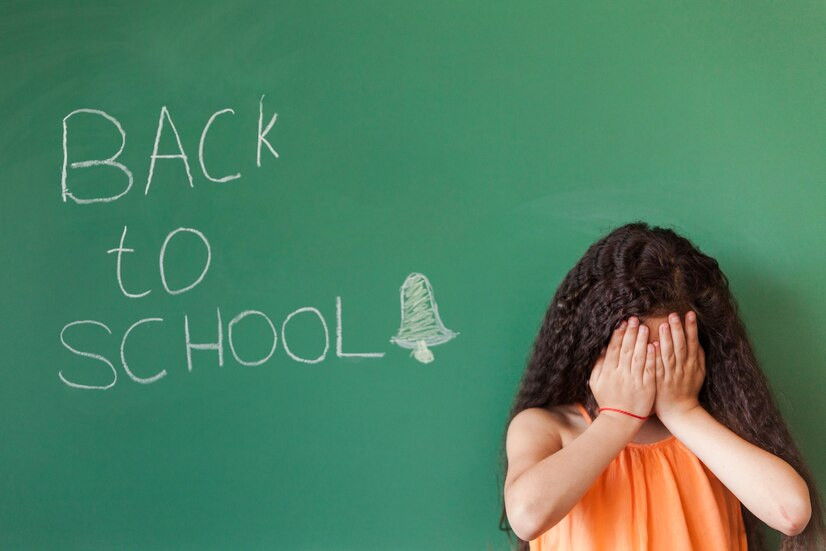
Children who are targeted at school may dread attending classes to avoid the aggressor. This can harm their mental health and future. Many children also hesitate to talk about what is happening, even with their parents, which means adults may miss the problem.
Parents need to watch for warning signs that suggest bullying. Possible indicators include:
- Reluctance or fear about going to school
- Poor appetite
- Trouble sleeping or frequent nightmares
- Difficulty focusing
- Pulling away from favorite activities
- Complaints about belongings or clothing that are damaged or missing
- Falling grades
- Bruises on the body
If you notice the signs above along with mood changes, such as irritability or frequent crying, consider the possibility that your child is being bullied.
2. Listen When Your Child Opens Up
If your child decides to share that they are being bullied, keep offering steady support. Thank them for the courage it takes to talk about a painful experience. Reassure them that speaking up was the right choice. Sharing with parents or another trusted adult can lighten the emotional load and lower the risk of stress or depression.
3. Explain What Bullying Means
Sometimes bullying happens without a clear reason. Children may respond by blaming themselves. Make it clear that bullying does not mean your child is at fault or weaker than others. The Kids Health website encourages parents to remind children that bullying is not their responsibility. This message can help restore confidence.
4. Teach Skills to Respond to Bullying
It is normal for a bullied child to feel angry, upset, embarrassed, or unsure. Emphasize that they do not need to be afraid or feel inferior. Coach them to respond firmly by saying, “stop,” “do not tease me,” “be quiet,” and “stop it.” Help them understand that standing up for themselves is not the same as seeking revenge. Discourage retaliation so the cycle of aggression does not continue.
5. Keep Monitoring Your Child’s Well-Being
After an incident, parents should continue to check on their child. If the problem occurs at school, work with school staff to strengthen supervision and prevention efforts. Ask your child about each school day and discuss what actions they can take if it happens again.
Bullying can lead to trauma that persists into adulthood. If your child has been targeted, beyond the steps above, consider consulting the school’s guidance counselor, a psychiatrist, or a psychologist to help them process the experience and heal.
Looking for more information about pregnancy, breastfeeding, women's and children's health? Click here!
- dr Hanifa Rahma
Kids Health. Helping Kids Deal With Bullies. Available from: https://kidshealth.org/en/parents/bullies.html
Anti Bulying Alliance. How Can I Help My Child if They are Being Bullied?. Availabel from: https://anti-bullyingalliance.org.uk/tools-information/advice-and-support/advice-parents-and-carers/how-can-i-help-my-child-if-they-are
UNICEF. How to Talk to Your Children About Bullying. Available from: https://www.unicef.org/end-violence/how-talk-your-children-about-bullying
American Psychological Association. How Parents, Teachers and Kids Can Take Action to Prevent Bullying. Available from: https://www.apa.org/topics/bullying/prevent