
Definition
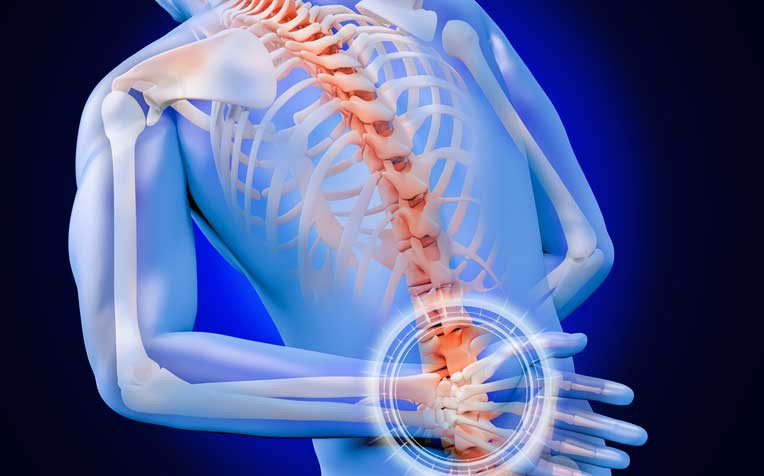
Ankylosing spondylitis is a chronic condition that causes inflammation in the spine. Over time, this persistent inflammation can lead to damage not only in the spine but also in the surrounding joints and tissues, resulting in the vertebrae fusing together. This fusion severely restricts movement and can lead to long-term back pain, worsening stiffness, difficulty with movement, and changes in posture.
Typically, the symptoms begin in the lower spine. While ankylosing spondylitis can affect anyone, it is more prevalent in men than in women. Additionally, the disease usually develops between the ages of 17 and 45.
The average age of diagnosis is around 40, with about 80% of individuals experiencing their first symptoms before the age of 30. Very few people (less than 5%) develop symptoms after the age of 45.
Causes
The exact cause of ankylosing spondylitis remains unknown, but several genetic factors are believed to contribute to its development. One such gene is the HLA-B gene, which some studies suggest may be linked to the disease.
The HLA-B gene can mutate to produce the HLA-B27 protein, which increases the likelihood of developing ankylosing spondylitis. Approximately 95% of people with the disease have a mutation in this gene.
However, not everyone with the HLA-B gene mutation will develop ankylosing spondylitis. About 8% of the population carries the HLA-B27 gene, but most do not develop the condition. The frequency of this gene varies across different racial and ethnic groups.
In addition to genetic factors, environmental factors may also contribute to the onset of ankylosing spondylitis. Over 60 genes have been identified that could be associated with the disease, including ERAP 1, IL-12, IL-17, and IL-23.
Risk Factor
Certain groups of people are more likely to develop ankylosing spondylitis if they have the following risk factors:
-
A family history of ankylosing spondylitis.
-
Frequent gastrointestinal infections.
-
Genetic mutations, particularly in the HLA-B gene and the HLA-B27 protein.
-
A history of other inflammatory diseases, such as inflammatory bowel diseases (e.g., Crohn's disease, ulcerative colitis) or skin disorders like psoriasis.
-
Men are twice as likely to develop the disease compared to women.
-
Young adults between the ages of 17 and 45 years.
Symptoms
The progression of ankylosing spondylitis varies greatly from one individual to another. Typically, the first signs of the disease include pain and stiffness in the lower back and hips, especially in the morning. The pain is often most intense during periods of rest and may even wake the person from sleep. Light activity or a warm bath can often help alleviate the discomfort.
As ankylosing spondylitis progresses, it can affect other areas of the body, including the sternum and neck. The symptoms may change depending on which part of the body is impacted. The disease usually goes through cycles of flare-ups, where symptoms worsen, followed by periods of improvement. Additional symptoms of ankylosing spondylitis may include:
-
Persistent pain and stiffness.
-
If the sternum joints are affected, this can cause breathing difficulties.
-
Eye inflammation, leading to visual disturbances.
-
Fatigue.
-
Loss of appetite.
-
Unexplained weight loss.
-
Skin rashes.
-
Abdominal pain.
Diagnosis
Currently, there is no single test that can definitively diagnose ankylosing spondylitis. To make a diagnosis, doctors typically begin by asking about the onset of symptoms, their duration, and factors that may worsen or relieve the discomfort.
Laboratory tests, such as the erythrocyte sedimentation rate (ESR) and C-reactive protein (CRP), are commonly used to assess inflammation levels in the body. If inflammation is present, both ESR and CRP levels will be higher than normal. There is also a test to detect the presence of the HLA-B27 gene, which can be useful in some cases, although it is not routinely performed for every patient.
Additionally, radiological examinations such as X-rays and Magnetic Resonance Imaging (MRI) can aid in diagnosing ankylosing spondylitis. X-rays are the most common imaging method and can show changes in the spine, such as fusions between vertebrae. MRIs are particularly valuable in detecting tissue damage caused by inflammation and can spot spinal issues earlier than an X-ray.
Management
Ankylosing spondylitis is a lifelong condition, and while there is no cure, treatment focuses on managing symptoms, slowing disease progression, preventing complications, and minimizing joint damage.
- Exercise
Regular and safe physical activity plays an essential role in managing ankylosing spondylitis. While most patients experience pain when at rest, an exercise regimen can help maintain posture and flexibility, relieve pain, and prevent further stiffness. To achieve the best results, patients should aim to engage in physical activity daily.
- Treatment
A variety of medications are used in the treatment of ankylosing spondylitis, but since each patient responds differently, it may take time to find the most effective treatment plan. Some common medications include:
NSAID (Nonsteroidal Anti-Inflammatory Drugs) like ibuprofen can help alleviate pain and reduce joint stiffness. Corticosteroids help reduce inflammation and may be injected directly into swollen, painful joints to provide relief.
Then, there is a medication group called DMARD (Disease-Modifying Antirheumatic Drugs) that can modify the immune system and help repair tissue damage caused by inflammation. DMARDs also assist in managing pain and swelling.
- Surgery
In rare cases, surgery may be necessary for individuals with severe ankylosing spondylitis. Surgical options can include joint replacements, depending on which joints are affected by the disease.
In addition to prescribed treatments, several lifestyle changes can help manage symptoms:
- Eating nutritious foods rich in vitamins, particularly fruits and vegetables, can reduce inflammation. Avoiding foods high in fat and sugar is also important, as they can trigger inflammation.
- Carrying excess weight can put added pressure on the joints and spine, making symptoms worse. Maintaining a healthy weight helps alleviate this strain.
- Alcohol can reduce bone density and increase the risk of osteoporosis, so it is wise to avoid excessive drinking.
- Smoking accelerates spinal damage and can increase pain, so it’s important to quit smoking if you are a smoker. The toxins in cigarettes can worsen disease progression.
Complications
The inflammation caused by ankylosing spondylitis can spread beyond the spine to other joints, including the sternum, pelvis, shoulders, and knees. It can also affect other organs, such as the eyes. As the disease progresses, complications may arise that impact the spine, bones, and other affected organs. Some of the potential complications of ankylosing spondylitis include:
-
Vertebral fractures
-
Fused vertebrae and changes in spine curvature
-
Bone loss (osteoporosis)
-
Eye inflammation
-
Heart disease, this can include inflammation of the coronary arteries (aortitis), irregular heart rhythms (arrhythmias), and damage to the heart muscle tissue (cardiomyopathy).
-
Chest pain and breathing difficulty
-
Inflammation of the jaw
Prevention
Since the exact cause of ankylosing spondylitis remains unknown, there are no specific preventative measures that can completely eliminate the risk of developing the disease. However, understanding your family history of ankylosing spondylitis may help you assess your risk of developing it later in life. Additionally, adopting a healthy lifestyle can help reduce the impact of the disease and improve overall well-being.
When to See a Doctor?
If you experience pain and stiffness, especially if the discomfort worsens when at rest and improves with activity, this could be an early sign of ankylosing spondylitis. It’s important to consult an orthopedic specialist as soon as possible to prevent the condition from progressing further.
Looking for more information about other diseases? Click here!
- dr Hanifa Rahma
Wenker KJ, Quint JM. Ankylosing Spondylitis – StatPearls. (2022). Retrieved 20 November 2022, from https://www.ncbi.nlm.nih.gov/books/NBK470173/.
Ankylosing Spondylitis – NHS UK. (2022). Retrieved 20 November 2022, from https://www.nhs.uk/conditions/ankylosing-spondylitis/.
Ankylosing Spondylitis (AS) – clevelandclinic. (2022). Retrieved 20 November 2022, from https://my.clevelandclinic.org/health/diseases/16595-ankylosing-spondylitis-as.
Ankylosing Spondylitis – mayoclinic. (2022). Retrieved 20 November 2022, from https://www.mayoclinic.org/diseases-conditions/ankylosing-spondylitis/symptoms-causes/syc-20354808.
Overview of Ankylosing Spondylitis – Spondylitis Association of America. (2022). Retrieved 20 November 2022, from https://spondylitis.org/about-spondylitis/overview-of-spondyloarthritis/ankylosing-spondylitis/.
Ankylosing Spondylitis – NIAMS. (2022). Retrieved 20 November 2022, from https://www.niams.nih.gov/health-topics/ankylosing-spondylitis.


/62c7b14af1315.jpg)