Definition
Elbow dislocation is a relatively common condition that can occur in both children and adults. Dislocation refers to a bone shifting from its normal position. The elbow and shoulder are the parts of the arm most prone to dislocation, with elbow dislocations being more frequent than shoulder dislocations. It is most common in individuals aged 10 to 20 years old, with elbow dislocations contributing to 10-25% of all elbow injuries. This article focuses on elbow joint dislocation.
The elbow is a joint connecting the upper and lower arm, providing stability to the movement between these bones. It has various muscles, joints, and nerves surrounding it.
Elbow dislocations can be categorized into several types:
- Simple dislocation: No serious injury to the bones.
- Complex dislocation: Involves serious injuries to bones and ligaments.
- Severe dislocation: Involves damage to the blood vessels and nerves around the elbow, increasing the risk of amputation.
Some individuals are born with greater ligament flexibility, making them more prone to elbow dislocations.
Causes
Elbow dislocations often occur when someone falls with their hand stretched out and their arm straight. It can also result from traffic accidents or sports injuries. In some cases, repetitive use of the elbow joint, especially during activities that require continuous motion, can loosen the supporting tissues around the elbow, such as tendons and ligaments, leading to instability and dislocation. Additionally, rare conditions such as Ehlers-Danlos Syndrome, which causes overly flexible joints, can also lead to elbow dislocation.
Risk Factor
Factors that increase the risk of elbow dislocation include:
- Childhood
- Male gender
- Age over 65 (due to higher chances of falling)
- Being an athlete
- Jobs requiring heavy physical labor
- Jobs requiring repetitive arm movements daily
- Rare diseases
- Traffic accidents
Symptoms
Elbow dislocation can involve either a complete or partial joint separation. A complete dislocation is called a luxation, while a partial dislocation is called a subluxation. Both luxation and subluxation share the following symptoms:
- Bruising
- Deformity around the elbow, often with a more pronounced bone
- Weakness in the joint
- Inability to move the elbow
- Pain
- Swelling
Diagnosis
Elbow dislocation is diagnosed through a combination of medical interviews, physical examination, and additional diagnostic tests.
Medical Interview
The doctor will ask questions about:
- Current symptoms
- History of trauma or injury
- The mechanism and circumstances of the trauma
- Timing of the trauma
- Treatment history
- Past medical history
- Family medical history
Physical Examination
The doctor will conduct a physical examination, starting with vital signs such as blood pressure, body temperature, respiratory rate, and pulse. The elbow will then be specifically examined through the following steps:
- Look: The doctor will visually inspect the elbow for bruising, color changes, deformities, or external injuries.
- Feel: The doctor will palpate the elbow to assess for pain, lumps, or temperature changes due to swelling.
- Move: The doctor will test elbow movement to assess nerve function in the arm, checking for nerve impairments and comparing it with the other arm.
Additional Diagnostic Tests
Diagnostic tests may include:
- X-ray: If a bone fracture is suspected.
- CT Scan: To assess muscle and tendon damage around the elbow.
- MRI: To evaluate muscle and tendon damage around the elbow.
Management
Some mild cases of elbow dislocation can resolve on their own. In more severe cases, a doctor will need to reposition the bones and joint back to their proper place.
Treatment depends on the severity of the dislocation. Here are a few things you can do to reduce pain before seeing a doctor:
- Rest: Keep the elbow immobile
- Apply ice: Ice the elbow with ice packs
- Elevate: Ensure the elbow is raised
Further treatments provided by a doctor may include:
- Manipulation: A manual procedure to reposition the joint.
- Medication: Pain relievers to reduce discomfort.
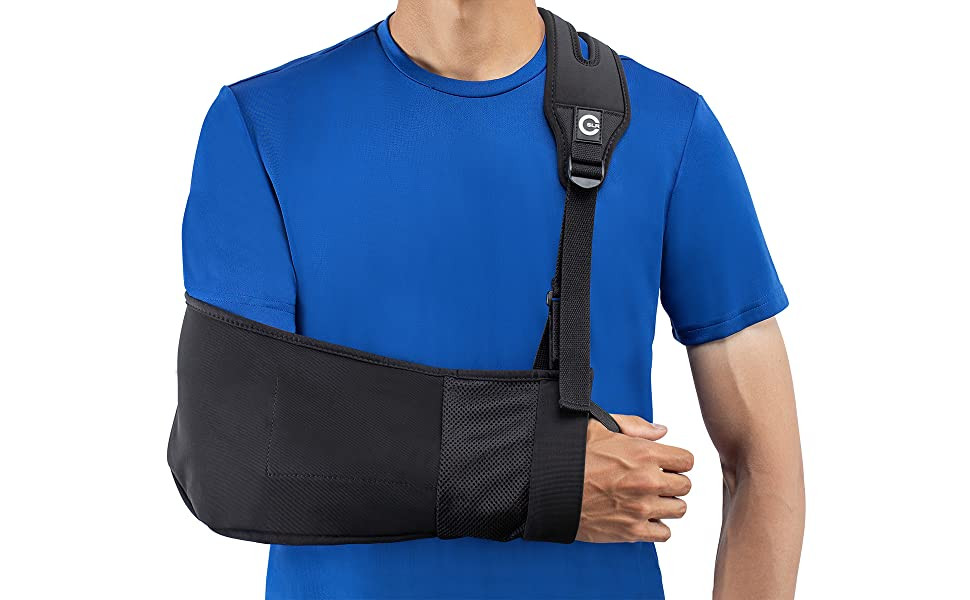
- Rest: After the joint is repositioned, the elbow should be rested and protected with a splint to aid recovery.
- Physical therapy: Exercises and physical therapy may be required to strengthen the muscles and tendons around the elbow.
- Surgery: In cases where the joint cannot be repositioned manually, surgery may be necessary, particularly if the dislocation involves damage to blood vessels, nerves, tendons, or muscles.
Recovery time varies between patients, but elbow dislocation generally has a high recovery rate, allowing patients to resume normal activities.
Complications
Complications from elbow dislocation are rare but can occur in severe cases where the nerves and blood vessels around the elbow are affected. Possible complications include:
- Impaired blood flow and nerve damage
- Compartment syndrome
- Permanent loss of range of motion or elbow function
Prevention
To prevent elbow dislocation, the following can be done:
- Avoid overusing the elbow in work or sports activities
- Be cautious when driving, as traffic accidents are a common cause of elbow dislocations
- Be careful when at heights, as falls increase the risk of elbow dislocation
- Take care when walking on slippery surfaces and stairs
When to See a Doctor?
Seek medical attention if you've recently suffered trauma to the elbow, such as in a traffic accident or a fall from a height. Avoid attempting to reposition the elbow by yourself. You should visit the emergency department or consult an orthopedic or trauma specialist for treatment.
Looking for more information about other diseases? Click here!
- dr. Alvidiani Agustina Damanik
Cleveland Clinic - Dislocated Elbow. (2018). Retrieved 9 November 2022, from https://my.clevelandclinic.org/health/diseases/17942-dislocated-elbow
PennMedicine - Elbow Dislocation. (2021). Retrieved 9 November 2022, from https://www.pennmedicine.org/for-patients-and-visitors/find-a-program-or-service/orthopaedics/elbow-pain/elbow-dislocation-diagnosis-and-treatment
Rothman - Elbow Dislocation. (2018). Retrieved 9 November 2022, from https://rothmanortho.com/stories/blog/elbow-dislocation
WebMD - Elbow Dislocation. (2022). Retrieved 9 November 2022, from https://www.webmd.com/first-aid/elbow-dislocation