Definition
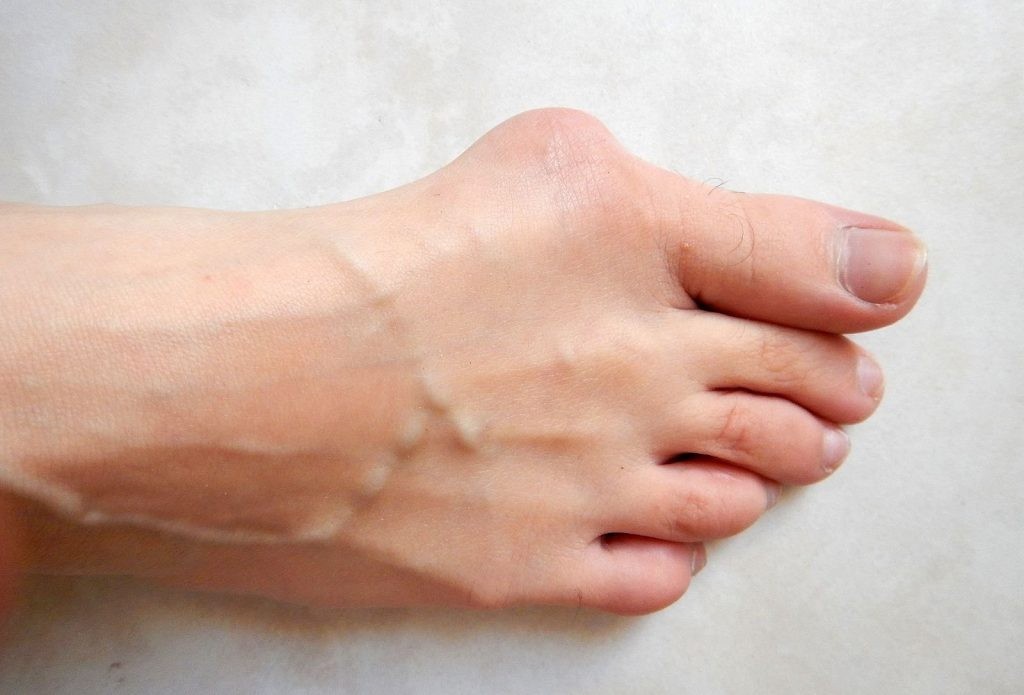
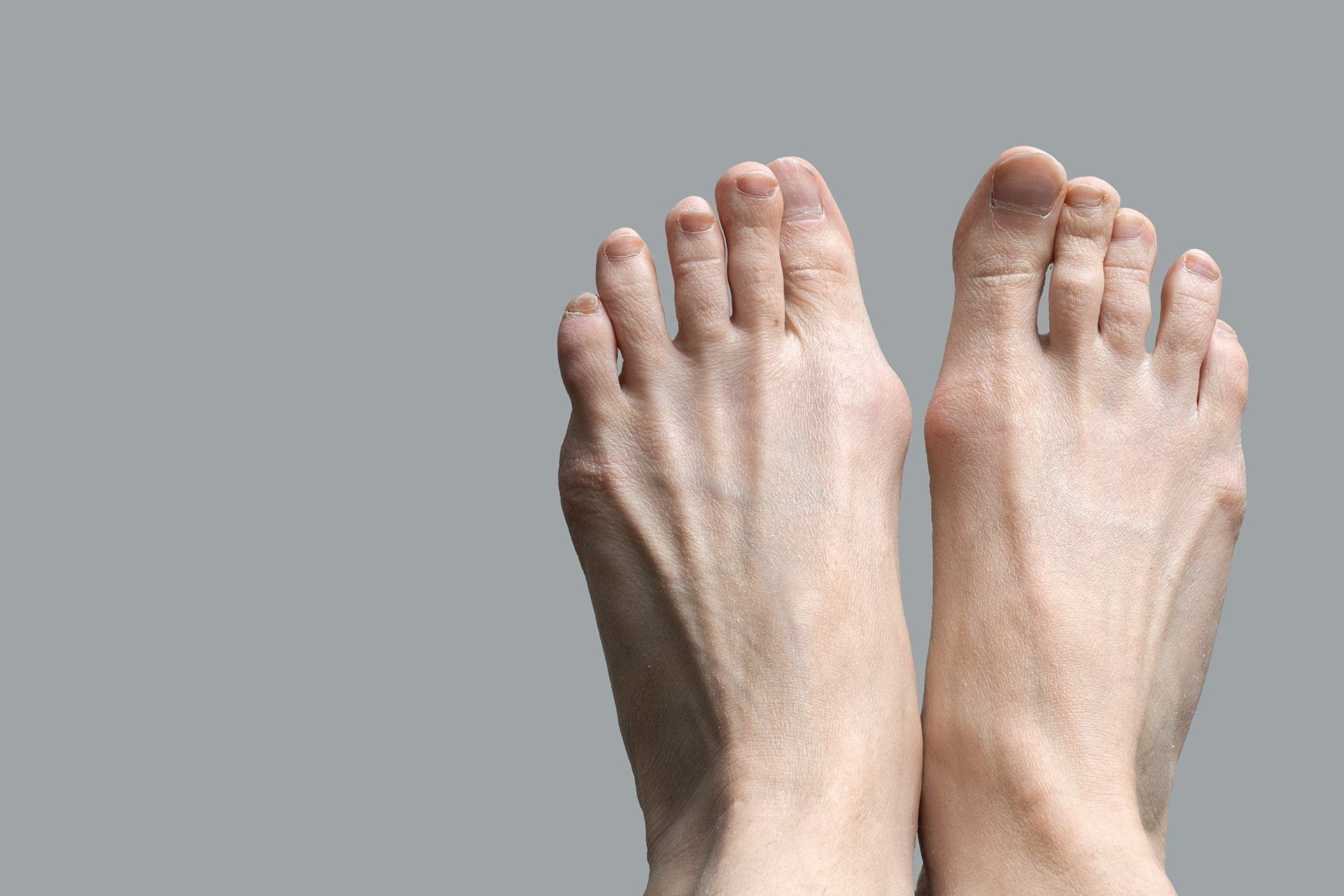
Hallux valgus, commonly known as a bunion, is a foot deformity that causes a lump to form on the outside of the big toe. This condition results from prolonged pressure on the big toe, leading to misalignment of the toe joint and the formation of a lump. Hallux valgus is particularly common in older adults and affects women more frequently. The deformity can develop on one or both feet.
Causes
The exact cause of hallux valgus is not fully understood, but it is thought to result from abnormal foot mechanics or foot structure, which causes the big toe to bend inward toward the second toe. Over time, this misalignment can form a bump at the base of the big toe. Factors that can worsen the condition include prolonged standing or walking, and wearing tight shoes or socks that place excessive pressure on the toes.
Hallux valgus can develop in several forms, depending on the age of the individual and the affected toe:
-
Bunions: These are the most common type and typically occur in adults at the base of the big toe.
-
Tailor Bunion (Bunionette): This type forms at the joint at the base of the little toe.
-
Congenital Bunions: These bunions are present at birth.
-
Juvenile Bunions: These bunions occur in adolescents aged 10-15 years.
Risk Factor
You may be at a higher risk of developing hallux valgus if you have:
-
A family history of foot structural problems, such as flat feet, which can lead to bunion formation.
-
A history of foot injuries.
-
Inflammatory diseases like rheumatoid arthritis, which can affect the joints and contribute to bunion development.
Symptoms
The primary symptoms of hallux valgus include:
-
Red, swollen lumps on the side of the big toe.
-
Inability to bend the big toe or pain and burning when attempting to do so.
-
Difficulty wearing regular shoes, due to the pressure from the bunion.
-
The formation of corns or calluses, which are thickened skin areas that develop where the toes rub against the shoe.
-
Hammertoes, which cause pain due to spasmodic tendons and joints in the big toe.
-
Numbness in the big toe due to the misalignment and pressure on nerves in the area.
Diagnosis
The diagnosis of hallux valgus is typically made through a combination of medical history, physical examination, and supporting tests.
Medical Interview
The first step in diagnosing hallux valgus is a detailed medical interview between the doctor and the patient. The doctor will ask questions to gather information about:
-
Current symptoms
-
Occupational history and daily activities
-
Past medical history
-
Family medical history
Physical Examination
Next, the doctor will perform a physical examination. They will assess the overall health of the foot, checking for signs of redness, swelling, or deformities. The doctor will also check vital signs such as blood pressure, respiratory rate, pulse rate, and body temperature to rule out any underlying systemic conditions that may affect the joints or tissues.
Diagnostic Tests
To confirm the diagnosis and evaluate the severity of hallux valgus, the doctor may recommend an X-ray. This will help to:
-
Check for joint and bone damage
-
Determine the severity of the bunion and how much the big toe has shifted
-
Identify any other underlying conditions, such as rheumatoid arthritis, which can cause similar symptoms
Management
Although bunions do not resolve on their own, treatment typically focuses on alleviating symptoms and slowing the progression of the condition. Common treatment options include:
- Bunion Pads and Plasters
- Over-the-counter bunion pads can be used to reduce pain in the affected area, while medical plasters can help maintain the correct toe position.
- Footwear Changes
- Switching to shoes with a wider and deeper toe box can help alleviate pressure on the big toe. A shoe widener may also be used to further reduce discomfort.
- Orthotic Devices
- Custom-made orthotic devices can help correct misalignment by spacing the big toe and second toe, providing additional support to prevent further bunion formation.
- Pain Relief Medications
- NSAIDs (non-steroidal anti-inflammatory drugs), both oral and topical, can be used in combination with ice packs to reduce pain and swelling in the affected area.
- Physical Therapy
- Techniques such as massage, physical therapy, and ultrasound therapy can help alleviate tension on the soft tissues, reduce pain, and improve toe alignment.
- Injections
- Steroid injections can provide temporary relief by reducing pain and inflammation. However, they should be used cautiously, as overuse can damage the surrounding tissues. This is usually a last-resort treatment before considering surgery.
- Surgery
- If non-surgical treatments do not provide sufficient relief or if the pain becomes severe, surgery may be necessary. A procedure called bunionectomy involves removing the bunion and realigning the bones to restore the toe to its original position. Prior to surgery, patients are typically advised to avoid driving for 6 to 8 weeks, take time off work for 6 to 12 weeks, and refrain from sports for up to 6 months.
- After surgery, the big toe may feel weaker or stiffer than before, and it may not appear perfectly straight. Patients may also experience a slightly wider foot, requiring more comfortable, wide-fitting footwear. It is also important to note that bunion recurrence can occur after surgery.
Complications
Hallux valgus can lead to several potential complications, including:
-
Osteophytes or bone spurs.
-
Bursitis, inflammation of the bursa (the fluid-filled sac that cushions the joint).
-
Hammertoes.
-
Osteoarthritis.
Prevention
While hallux valgus cannot always be completely prevented, wearing the right shoes can help reduce the risk and prevent the condition from worsening. Here are some tips for prevention:
-
Proper Footwear: Choose shoes with a wide toe box and soft footbeds to reduce pressure on the toes. Avoid narrow shoes that taper at the toe and high heels that increase pressure on the ball of the foot.
-
Custom Orthotics: If you have flat feet or inherited foot structural problems, custom orthotics can provide support and prevent or slow down the progression of bunions.
-
Maintain a Healthy Weight: Keeping a healthy weight helps reduce pressure on the feet, especially for individuals who are overweight, which can help prevent the development of bunions.
By following these preventive measures and seeking appropriate treatment, you can help manage and reduce the symptoms of hallux valgus.
When to See a Doctor?
You should contact a doctor immediately if you experience any of the following symptoms:
-
Difficulty walking or moving around comfortably
-
Inability to move your big toe
-
Pain that doesn’t improve after several weeks of home treatment
-
Pain that interferes with your daily activities, such as walking or standing
-
If the bunion gets worse or shows no improvement
-
If you have other medical conditions, such as diabetes, or other foot problems that could complicate the situation
-
Severe inflammation, swelling, or redness in the toe joint
-
Signs of infection after surgery, such as fever or increased pain and redness
Looking for more information about other diseases? Click here!
- dr Hanifa Rahma
Bunions (Hallux Valgus). (2020). Retrieved 02 January 2023, from https://my.clevelandclinic.org/health/diseases/14386-bunions-hallux-valgus
Hallux Valgus. (2021). Retrieved 02 January 2023, from https://emedicine.medscape.com/article/1232902-overview
Bunions (Hallux Valgus). (2022). Retrieved 02 January 2023, from https://www.uofmhealth.org/conditions-treatments/cmc/foot-and-ankle/bunions
Bunions. (2023). Retrieved 02 January 2023, from https://www.nhs.uk/conditions/bunions/
Bunion (Hallux Valgus). (2022). Retrieved 02 January 2023, from https://www.nhsinform.scot/illnesses-and-conditions/muscle-bone-and-joints/conditions/bunion-hallux-valgus
Hallux Valgus. (2022). Retrieved 02 January 2022. from https://www.ncbi.nlm.nih.gov/books/NBK553092/