
Definition
A strain is an injury to the soft tissues, either muscles or tendons, commonly caused by overexertion or improper movement. This type of injury is frequent among individuals who engage in physical activities, particularly athletes.
Efficient movement relies on coordination between muscles, tendons, joints, bones, and nerves. Tendons are connective tissues that link muscles to bones. When muscles or tendons are subjected to stress, it can lead to tears, damaging the tiny blood vessels surrounding them. This damage can cause bleeding, bruising, weakness, and pain due to the irritation of nerve endings in the affected area.
Strains are classified into three degrees of severity:
- Grade I
Mild strains involve less than 5% of the muscle, and they typically do not result in significant loss of strength or movement. Grade I strains may simply involve the muscle being stretched beyond its normal range and are usually not accompanied by any tears.
- Grade II
Moderate strains involve more than 5% of the muscle and cause a noticeable decrease in strength and movement. These strains generally require two to three months to heal and may cause partial tearing of the muscle.
- Grade III
Severe strains involve a complete tear of the muscle, often leading to a palpable lump in the area. Surgery is typically needed to reconnect the torn muscle and tendon.
Causes
Strains are commonly caused by overstretching or excessive movement of the muscles or tendons. Some typical scenarios that lead to strains include:
-
Lifting heavy objects improperly
-
Sudden twisting or turning motions
-
Landing or falling incorrectly, placing unnecessary stress on the muscles
These actions put significant strain on the muscles and tendons, increasing the risk of overstretching and tearing.
Risk Factor
While anyone can experience a strain, certain factors increase the likelihood of developing this injury:
-
Athletes, especially those who engage in high-intensity sports
-
Individuals who are overweight or obese
-
A history of previous strains, which can weaken the muscles and tendons
-
Exercising or engaging in physical activity without warming up first
Certain body parts are more vulnerable to strains during physical activities, such as:
-
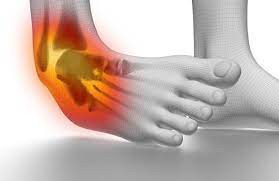
Soles and ankles: Sports involving jumping or squatting movements, like basketball, place stress on the Achilles tendon in the heel area.
-
Hands: Sports requiring gripping movements, such as golf or gymnastics, increase the risk of muscle injuries in the hands.
-
Elbows: Throwing sports, like javelin, can lead to muscle injuries in the elbow area.
-
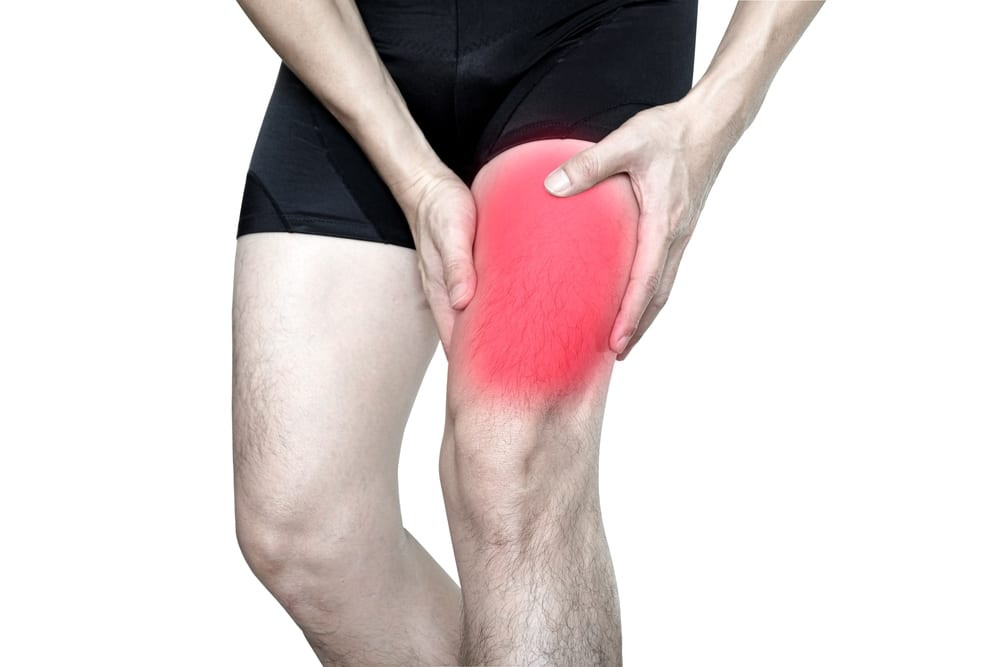
Knees: Activities like running or racket sports, such as tennis or badminton, put additional strain on the knees, increasing the risk of muscle injury.
Being mindful of these risk factors and incorporating proper techniques and warm-ups can significantly reduce the chances of developing a strain.
Symptoms
The symptoms of a strain vary depending on its severity and the individual’s condition. Common signs of a strain include:
-
Sudden or persistent pain
-
Bruising or redness on the skin
-
Muscle stiffness
-
Swelling
-
Reduced function or complete inability to move the affected limb
Diagnosis
Diagnosing a strain typically involves a multi-step process, which includes a medical interview, a physical test, and possibly supporting examinations. A strain can be diagnosed by a general practitioner, who will also initiate the appropriate treatment. However, if the injury is more severe, an orthopedic surgeon may need to provide specialized care.
Medical Interview
The doctor will start by asking about:
-
The patient’s symptoms and any additional complaints they may have
-
The history of the injury, including how it occurred
-
Any other relevant medical history
-
Family medical history, if pertinent
Physical Examination
Following the interview, the doctor will conduct a physical examination. This begins with assessing the patient's general health, including vital signs such as gait, blood pressure, temperature, pulse, and respiratory rate. For a more specific assessment, the doctor will focus on the injured area, performing tests to evaluate:
-
Changes in the shape of the injured limb
-
Skin color changes, such as bruising or redness
-
The presence of external wounds, like abrasions
The doctor will then palpate (gently press) the injured body part to:
-
Gauge the level of pain
-
Compare any differences in temperature in the injured area
-
Listen for crepitus, which is the sound of bones grinding together, often due to fractures
Additionally, the doctor will assess the range of motion in the affected limb. In the case of a severe strain, there may be noticeable difficulty or inability to move the limb properly.
Diagnostic Tests
If necessary, the doctor may recommend further diagnostic tests to confirm the extent of the injury. These can include ultrasound and MRI. These imaging techniques help clearly visualize the extent of muscle damage, particularly identifying the percentage of the muscle that has been torn. Ultrasound and MRI are also helpful for detecting the presence of fluid accumulation, such as blood, in cases of internal bleeding. Additionally, these tests can reveal any damage to surrounding structures, including tendons and ligaments.
Management
Treatment for a strain largely depends on its severity. In general, there are two main types of treatment: non-operative and operative.
Non-surgical Management
Most strains can be treated without surgery. The primary method for treating strains is the RICE technique, which stands for:
- Rest
Allow the muscle to rest and avoid any activities that cause pain, swelling, or further discomfort.
- Ice
Apply ice to the injured area to reduce swelling and numb the pain. You can use an ice pack for 15 to 20 minutes, and repeat this every 2 to 3 hours.
- Compression
Use an elastic bandage to apply gentle pressure to the injured area, which helps reduce swelling. Be careful not to wrap the bandage too tightly, as this could restrict blood flow.
- Elevation
Elevate the injured limb above the level of your heart, especially while resting at night. This helps with swelling reduction.
In addition to these methods, over-the-counter pain relievers, such as paracetamol, can be used to ease the pain. If there are visible external wounds, clean them with running water and apply an antiseptic solution as a first aid measure. Avoid using any other medications unless specifically prescribed by your doctor.
Surgical Management
In cases of severe strains, where there is a complete muscle tear or a significant loss of muscle function, surgery may be required. The surgery is typically performed by an orthopedic surgeon, who will work to repair the torn muscle or tendon and restore proper function.
Complications
If a strain is not treated properly, it may lead to various complications, including:
-
Edema or swelling.
-
Compartment syndrome, a serious condition that occurs when excessive pressure builds within a confined muscle space, potentially leading to muscle and nerve damage.
-
Infection.
-
Muscle stiffness: Without proper care and rehabilitation, muscles may become stiff and less flexible.
-
Muscle atrophy or decrease in muscle size and strength.
Prevention
To reduce the risk of strains, it’s essential to properly prepare your body before engaging in physical activity. Always stretch and warm up before exercise or strenuous activities to prepare your muscles and tendons.
Consume potassium-rich foods like bananas and avocados before exercising to support muscle function. Drink enough fluids to stay hydrated, as dehydration can increase the risk of muscle cramps and fatigue.
When to See a Doctor?
If you’ve applied the RICE treatment and your strain symptoms do not improve, or if you notice a significant decrease in limb function, or if you completely lose the ability to move the limb, it’s time to consult a doctor immediately.
Looking for more information about other diseases? Click here!
- dr Hanifa Rahma
Cleveland Clinic - Muscle Strains. (2022). Retrieved 8 August 2022, from https://my.clevelandclinic.org/health/diseases/22336-muscle-strains
Mayoclinic - Muscle Strains. (2020). Retrieved 8 August 2022, from https://www.mayoclinic.org/diseases-conditions/muscle-strains/diagnosis-treatment/drc-20450520
WebMD - Muscle Strains. (2020). Retrieved 8 August 2022, from https://www.webmd.com/fitness-exercise/guide/muscle-strain