
Definition
Encephalitis is an infection or inflammation of the brain caused by fungi, bacteria, or viruses. Dengue encephalitis is a disease resulting from poorly managed dengue infection, leading to inflammation or infection of the brain caused by the dengue virus.
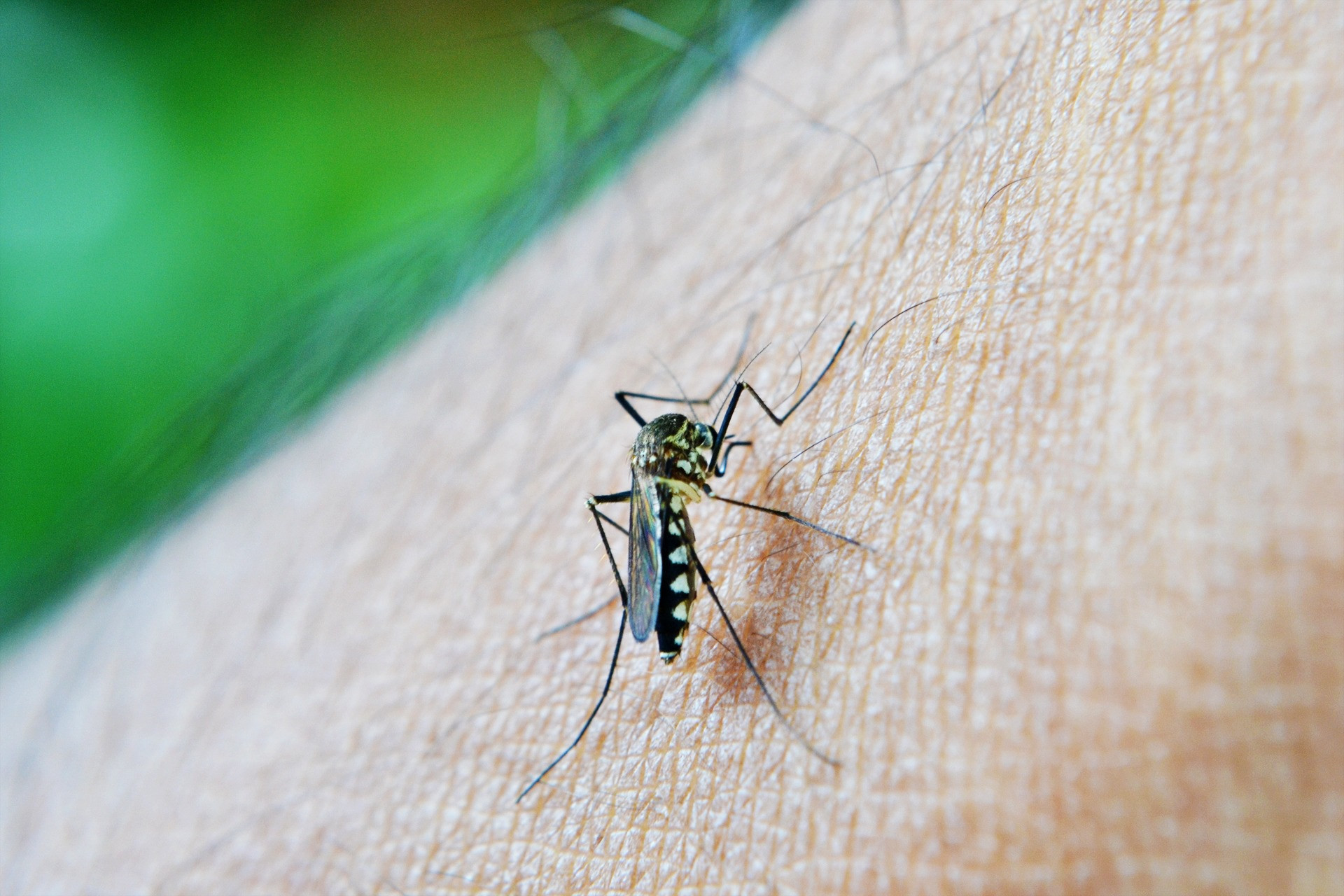
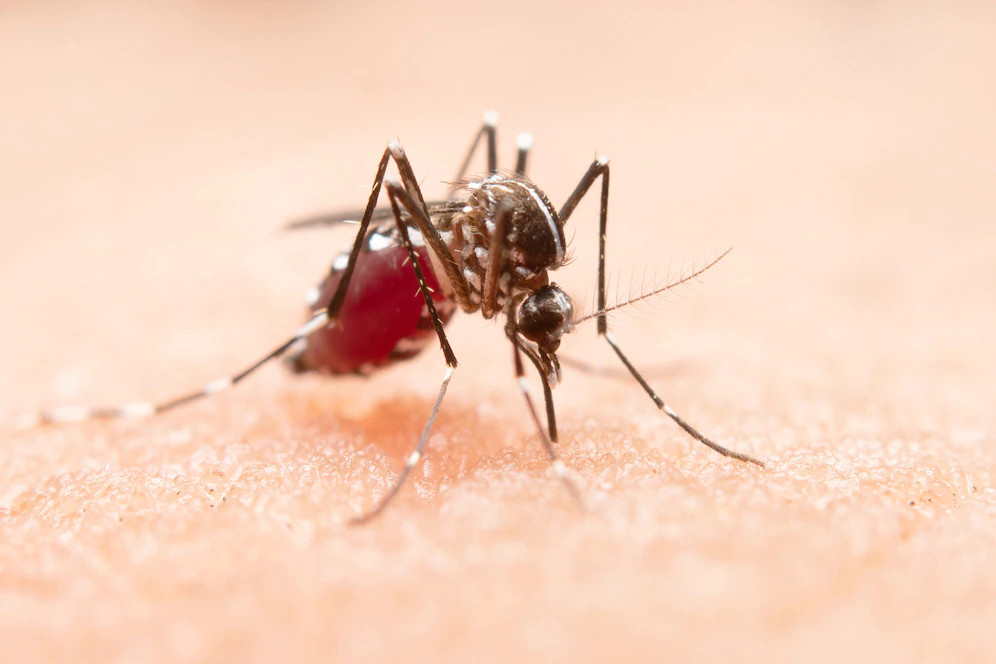
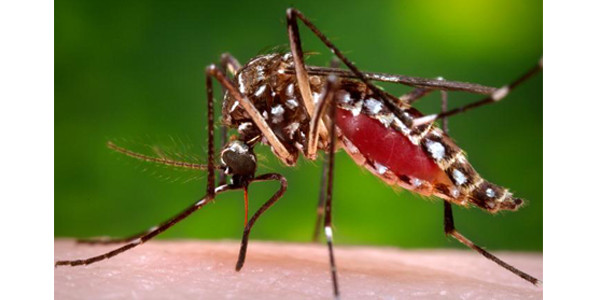
Dengue infection, commonly known as dengue fever (DF), is a viral infection spread rapidly through the bites of Aedes aegypti and Aedes albopictus mosquitoes. Every year, approximately 50 million cases of dengue infection are reported. The World Health Organization (WHO) notes an increase in dengue cases, particularly in Southeast Asia, especially in Indonesia, due to the prevalence of these mosquitoes in tropical and subtropical regions.
Dengue infection can affect multiple organ systems, meaning the dengue virus can attack various body systems. If a person contracts dengue, they need to be treated seriously and appropriately until recovery. Inadequate treatment can lead to complications, with encephalitis being one of the complications when the dengue virus invades the patient's central nervous system.
Causes
Dengue encephalitis is caused by the dengue virus transmitted through bites from Aedes aegypti and Aedes albopictus mosquitoes. These mosquitoes are more likely to bite during the day and are prevalent in tropical and subtropical regions.
The exact scientific explanation for how the dengue virus spreads to the patient's central nervous system remains unclear. It is believed that the spread is associated with a massive inflammatory response in the body due to the dengue virus, impacting brain tissue and causing complications.
Risk Factor
The risk factors for dengue encephalitis are similar to those for dengue infection, including:
- Demographic changes in tropical and subtropical countries
- Poor water distribution
- Low-quality waste management
- Inadequate mosquito control infrastructure
- Use of non-recyclable items
- Increased air travel
- History of central nervous system disorders
- History of seizures
- History of autoimmune diseases or weakened immune system
- Guillain-Barré syndrome, a rare condition where the immune system attacks healthy nerve cells, can occur after dengue fever, though it is rare
Symptoms
Symptoms of dengue encephalitis typically start with classic dengue infection symptoms such as fever, muscle pain, vomiting, and diarrhea. However, doctors may suspect encephalitis when patients show signs indicating brain inflammation, such as:
- Severe headache
- Disorientation, decreased consciousness, confusion
- Abnormal posture
- Facial nerve paralysis
- Amnesia
- Seizures
- Abnormal reflexes on neurological examination
Diagnosis
Diagnosing dengue encephalitis involves multiple steps, starting with medical history taking (anamnesis), physical examination, and additional tests.
Medical Interview
The doctor will ask:
- Main complaints of the patient
- Accompanying symptoms
- Duration of symptoms
- History of previous diseases, such as past dengue infections or central nervous system disorders
- Travel history to high dengue areas
- Medication history
- Family medical history
Physical Examination
The doctor will check the patient's general condition, including consciousness, blood pressure, body temperature, respiratory rate, and pulse. A thorough physical examination from head to toe will be conducted.
Neurological symptoms associated with dengue encephalitis may lead the doctor to perform a neurological examination to check for central nervous system involvement, such as:
- Abnormal reflexes
- Seizures
- Decreased memory and motor control
- Dehydration status
Diagnostic Tests
Diagnostic tests include blood tests to identify infection and inflammation markers and imaging examinations such as:
- X-ray to check for fluid accumulation around the lungs
- CT scan to detect:
- Brain abnormalities
- Brain tissue death
- Severity assessment
- Differentiation between dengue virus-induced encephalitis and other causes
- Cerebrospinal fluid examination to identify bacteria, viruses, fungi, or other parasites causing encephalitis
Management
Treatment for dengue encephalitis includes:
Fluid Management
Administering fluids to meet the body's needs through appropriate intravenous (IV) therapy under medical supervision. Patients who lose blood may require transfusions as per treatment guidelines.
Medications
No specific treatment exists for dengue infection. Treatment focuses on symptom relief, such as providing anti-seizure medications for patients with encephalitis and seizure history. Fever medications are also commonly given for dengue fever. If the patient has comorbid conditions, the doctor will treat those as well.
Vitamins
Doctors may prescribe vitamin supplements as additional therapy to restore nerve function if deemed necessary.
Complications
Dengue encephalitis can lead to complications affecting the nervous system, including motor, behavioral, or cognitive issues. Untreated dengue encephalitis may result in:
- Perfusion shock, where tissues fail to receive adequate blood and oxygen, potentially causing organ failure
- Neurological disorders
- Recurrent seizures
- Death
Prevention
Preventing dengue encephalitis involves preventing dengue infection itself. Measures include:
- Implementing 3M Plus (Draining, Covering, Recycling, Plus preventing mosquito bites and breeding)
- Installing bed nets and window screens
- Using mosquito repellent
- Wearing long-sleeved clothing and long pants, especially outdoors
- Avoiding hanging clothes in bedrooms
- Planting mosquito-repellent plants like lemongrass and lavender
- Trimming and cleaning wild plants around the house
- Conducting insecticide spraying (fogging) during the transitional season and when dengue cases rise
- Maintaining immune health through balanced nutrition, adequate hydration, and sufficient water intake
- Administering dengue vaccination to children to prevent and control the spread of dengue virus
When to See a Doctor?
Seek immediate medical attention if you or a family member experiences fever accompanied by seizures, decreased consciousness, restlessness, or confusion. Ensure they remain hydrated during the journey to the healthcare facility.
Looking for more information about other diseases? Click here!
- dr. Alvidiani Agustina Damanik
Borawake K., Prayag P., Dole S., (2011). Dengue Encephalitis. Retrieved 9 September 2022, from https://www.ncbi.nlm.nih.gov/pmc/articles/PMC3190475/.
Mehta V. K., Rajesh V., Ayushi J., Neha S., Ali Abbas M., (2021). A study of dengue encephalitis with laboratory and clinical parameters in tertiary centers in North India. Retrieved 9 September 2022, from https://journals.lww.com/jfmpc/Fulltext/2021/11000/A_study_of_dengue_encephalitis_with_laboratory_and.17.aspx.
Mayo Clinic - Dengue Fever. (2020). Retrieved 9 September 2022, from https://www.mayoclinic.org/diseases-conditions/dengue-fever/symptoms-causes/syc-20353078.
National Healthcare Services - Complications of Encephalitis. (2022). Retrieved 9 September 2022, from https://www.nhs.uk/conditions/encephalitis/complications/#:~:text=Common%20complications&text=speech%20and%20language%20problems,anxiety%2C%20depression%20and%20mood%20swings.
Pusat Krisis Kesehatan Kementerian Kesehatan RI - 4 Langkah Pencegahan Demam Berdarah Dengue. (2022). Retrieved 9 September 2022, from https://penanggulangankrisis.kemkes.go.id/4-langkah-pencegahan-demam-berdarah-dengue.