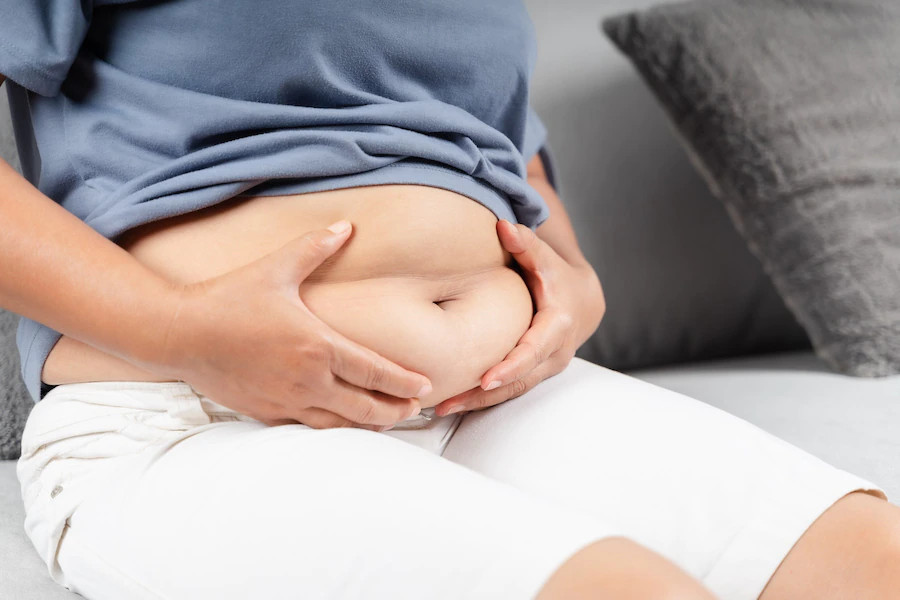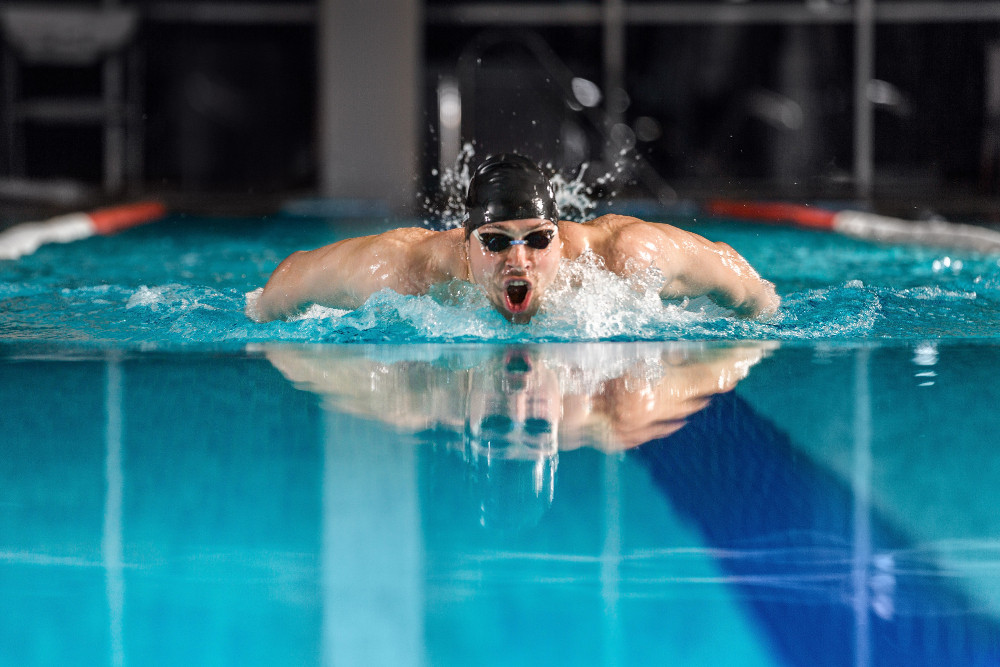

There are various opinions on whether exercising on an empty stomach, also known as fasted cardio, is more effective for weight loss. Some believe that working out without eating beforehand helps burn fat more quickly, while others argue that this method can make you feel weak and is not as effective. So, what’s the truth? Let’s dive into the details in this article.
What is Fasted Cardio?
Fasted cardio refers to exercising without having eaten anything beforehand, typically in the morning before breakfast. Proponents of this method claim that fasting before exercise boosts fat burning.
The reasoning behind fasted cardio is that when you fast overnight and then work out in the morning, your body runs out of glucose (its main energy source) and begins to burn fat for fuel instead.
Additionally, cortisol, the hormone responsible for managing stress, peaks in the morning and is thought to aid in fat breakdown. As a result, it’s believed that working out on an empty stomach can lead to more fat burning and faster weight loss.
Is Fasted Cardio More Effective for Losing Weight?
Opinions vary when it comes to whether fasted cardio is truly more effective for weight loss. Several studies have produced mixed results on the subject.
Some studies suggest that exercising while fasting has minimal impact on body mass. It can also lead to feelings of weakness or low energy during exercise. When you eat before your workout, you may have more energy and be able to exercise for longer periods of time.
Although exercising on an empty stomach may offer certain advantages, it can limit the duration of your workout, potentially preventing you from achieving the best results. In weight loss, the key factor is burning more calories than you consume. While some studies have found that people who fast while exercising burn more fat, they also report lower performance and satisfaction compared to those who do not fast.
Despite these differences in opinion, experts agree that the most important factor in weight loss is consistent physical activity and a balanced diet, whether you’re fasting or not.
Exercise, whether done on an empty stomach or not, can effectively contribute to fat burning and weight loss.
Exercise Tips on an Empty Stomach
While exercising on an empty stomach is generally safe for most people, it does carry some risks. For individuals with diabetes, exercising without eating beforehand is not recommended as it can cause dangerous blood sugar fluctuations. Low blood sugar levels may result in dizziness, an elevated heart rate, and other symptoms that increase the risk during exercise.
If you choose to try exercising on an empty stomach, make sure to stay well-hydrated before, during, and after your workout. Start with low to moderate-intensity exercises such as walking, running, or cycling, and gradually increase your workout duration. If you feel stable, aim for at least 30 minutes of exercise per session.
After your workout, focus on replenishing your energy with a nutritious, balanced meal that includes plenty of protein and carbohydrates. If you’ve successfully exercised on an empty stomach, it’s recommended to take 1-2 days off before your next session to give your body time to recover.
Exercising on an empty stomach can help with fat burning, but this benefit is also achievable if you have breakfast beforehand. Ultimately, to lose weight effectively, you should focus on a combination of the right exercise routine and a balanced diet.
For personalized advice on fitness or diet, consider consulting a doctor or nutritionist. You can also use the consultation feature available in the Ai Care app, which can be downloaded from the App Store or Play Store.
Looking for more information about health tips and tricks, first aid, and other home remedies? Click here!
- dr Hanifa Rahma
Sayer, A. (2023). Should You Eat Before a Morning Workout? Experts Say It Depends on Your Goals. Available from: https://www.health.com/fasted-cardio-8380393
Davis, N. (2024). Benefits of Fasted Cardio: What Happens When You Work Out on an Empty Stomach. Available from: https://www.healthline.com/health/fitness/benefits-of-fasted-cardio
Leal, D. (2024). Fasted Cardio: Does It Lead to Greater Weight Loss?. Available from: https://www.verywellfit.com/is-fasted-cardio-really-better-for-fat-loss-4057205
Braverman, J. (2023). Should You Try Fasted Cardio to Burn More Calories?. Available from: https://www.goodrx.com/well-being/movement-exercise/fasted-cardio