


Other Brands/Names
Acetate Replacing Factor, Acide Alpha-Lipoïque, Acide Alpha-Lipoïque R, Acide DL-Alpha-Lipoïque,Acide Lipoïque, Acide Thioctique, Acide 1,2-dithiolane-3-pentanoïque.
How it Works
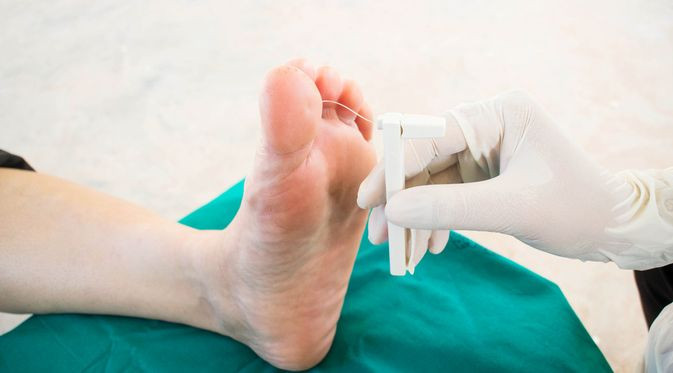
Alpha-Lipoic Acid (ALA) is a supplement well known for its antioxidant activity. In its reduced form, ALA helps neutralize free radicals in the body. It is also used in the management of nerve disorders in people with diabetes, a condition called diabetic neuropathy. ALA has been shown to support blood flow in small blood vessels, that can help to relieve symptoms of diabetic neuropathy.
Indications
Research so far shows that the strongest benefits of ALA supplementation are seen in people with diabetic neuropathy and conditions linked to oxidative stress (free radical damage). More studies are needed to confirm its usefulness in other health issues such as HIV/AIDS, liver disease, or weight management.
Contraindications
Consult your doctor before taking ALA if you have the following conditions:
-
Liver disease
-
Heavy alcohol use
-
Diabetes (ALA may lower blood sugar levels, so there is a risk of hypoglycemia when taken with diabetes medication. Consult your doctor if you are prescribed concurrent treatment of antidiabetics with ALA)
-
Thyroid disorders
-
Thiamine (vitamin B1) deficiency
If you develop an allergic reaction such as rash, nausea, or vomiting, stop taking ALA immediately and seek medical advice.
Side Effects
ALA is generally considered safe with very few side effects. One study showed that adults could take up to 2400 mg daily without experiencing any harmful effects. However, taking high doses is not recommended, as they do not provide additional benefits.
Animal studies have raised some concerns: a 1996 experiment on six monkeys found that very high doses of ALA (90–100 mg/kg intravenously) caused damage to liver cells, thigh muscle, heart, and kidneys.
Types
Alpha-Lipoic Acid is available in the form of tablets, capsules, and injections.
Dosage
Oral (tablets or capsules): A dose of 300 mg daily for 3 months can help maintain and improve functional vision in diabetic patients.
Injection: A dose of 600 mg daily can help improve symptoms of nerve disorders in people with diabetes.
Safety
-
Pregnancy: ALA is considered safe for pregnant women at doses up to 600 mg daily for a duration of 4 weeks.
-
Breastfeeding: There is not enough data to confirm the safety of ALA in breastfeeding mothers.
-
Children: High doses should be avoided in children. Cases of seizures, vomiting, and loss of consciousness have been reported in children aged 14 months to 16 years after consuming more than 2400 mg in a single dose.
-
Before surgery: Since ALA may lower blood sugar, it can affect blood sugar control during and after surgery. Stop using ALA at least 2 weeks before any surgical procedure.
Drug Interactions
-
Cancer medications: Antioxidants like ALA may reduce the effectiveness of certain cancer treatments. Consult a doctor if you are undergoing cancer therapy and want to take ALA supplements.
-
Anticoagulant or antiplatelet drugs: Taking ALA with blood-thinning medications may increase the risk of bleeding and bruising.
-
Thyroid hormone therapy: ALA may reduce the activity of thyroid hormones in the body, which can interfere with thyroid treatment.
Looking for more information about other drugs? Click here!
- dr Ayu Munawaroh, MKK
Medlineplus. Alpha-Lipoic Acid: MedlinePlus Supplements. Medlineplus.gov. Retrieved 19 January 2022, from: https://medlineplus.gov/druginfo/natural/767.html#OtherNames.
N guyen, H., & Gupta, V. (2021). Alpha-Lipoic Acid. Ncbi.nlm.nih.gov. Retrieved 19 January 2022, from https://www.ncbi.nlm.nih.gov/books/NBK564301/.