

Other Brands/Names
Algut, Alluric, Alodan, Alofar, Anuric, Decasurik, Erlapur, Favolar, Goutika, Goutric, Hymoric, Kolton, Licoric, Linogra, Lopuric, Loric, Mediuric, Mediuric Forte, Merzaluric, Nilapur, Ponuric, Pritanol, Puresco, Purinic, Reucid, Rinolic, Selespurin, Sinoric, Urica, Uricnol, Villurol, Xanturic, Zyloric.
How It Works
Allopurinol is a medicine commonly used to manage high uric acid levels (hyperuricemia). It works by inhibiting the enzyme xanthine oxidase, which is involved in uric acid formation in the body. Blocking this enzyme reduces uric acid production, thereby helping maintain appropriate uric acid levels.
Indications
This medicine is used for medical conditions with excessive uric acid in the blood (hyperuricemia), such as:
-
Recurrent calcium oxalate stones in the urinary tract
-
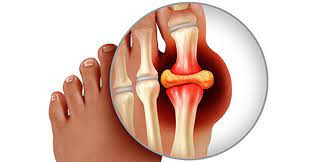
Gouty arthritis (joint inflammation due to uric acid buildup)
-
Increased uric acid levels related to cancer treatment or diet
-
Enzyme disorders that lead to increased uric acid production
Contraindication
Allopurinol should not be used in people with a history of hypersensitivity or allergy to allopurinol. In addition, individuals with the HLA-B*58:01 allele may have an increased risk of severe reactions to allopurinol, so this medicine is not recommended for patients who test positive for this allele.
Side Effects
Side effects are generally uncommon. However, some may occur, including blood disorders such as:
-
Leukopenia (decreased white blood cell count)
-
Thrombocytopenia (decreased platelet count)
-
Gastrointestinal symptoms such as nausea, vomiting, diarrhea, or abdominal pain
-
Fever
-
Itching
-
Skin rashes and spots
-
Life-threatening diseases such as Stevens–Johnson syndrome (a severe allergic reaction characterized by serious skin disease)
Types
Common allopurinol products currently available include:
-
100 mg caplets
-
100 mg tablets
-
300 mg tablets
Dosage
Purpose: To treat hyperuricemia and gout
Adults:
- 100 mg once daily as the starting dose, then increase by 100 mg every 2–4 weeks up to a maximum of 900 mg per day.
Child under 15 years old:
- 10–20 mg/kg body weight (maximum daily dose 400 mg).
Purpose: To treat recurrent calcium oxalate stones
Adults: 200–300 mg once daily as a single dose or in divided doses.
Safety
Pregnancy:
This medicine is FDA Category C (animal studies have shown adverse fetal effects, and adequate, well-controlled studies in humans are lacking). Therefore, the potential benefits and risks must be considered carefully, and caution is advised in pregnant women.
Drug Interactions
ACE-inhibitor antihypertensives (captopril)
Using allopurinol together with captopril may increase the risk of allopurinol side effects. Further consultation is required if concomitant use is necessary.
Looking for more information about other drugs? Click here!
- dr Hanifa Rahma
Pionas BPOM. Alopurinol. Retrieved 7 March 2022, from: https://pionas.pom.go.id/monografi/alopurinol
Medscape. Allopurinol. Retrieved 7 March 2022, from: https://reference.medscape.com/drug/zyloprim-aloprim-allopurinol-342811
Mims Indonesia. Allopurinol. Retrieved 7 March 2022, from: https://www.mims.com/indonesia/drug/info/allopurinol?mtype=generic