

Other Brands/Names
Daclatasvir is marketed under several trade names, including:
- Dasvir
- Natdac 60
- MyDekla
How it Works
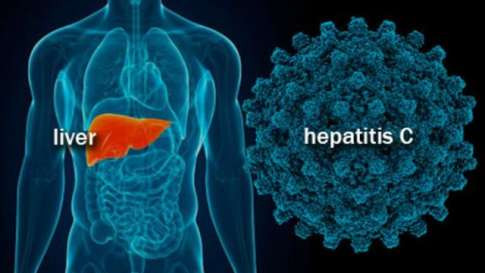
Daclatasvir works by blocking the replication of the hepatitis C virus. It prevents the RNA of the virus (the genetic material responsible for controlling survival and reproduction) from multiplying and assembling properly. Without this ability, the virus cannot reproduce or spread further in the body.
Indications
This medication is prescribed for the treatment of chronic hepatitis C infection caused by genotypes 1 and 3.
Contraindications
Daclatasvir should not be taken by individuals with the following conditions or circumstances:
-
Known allergy to daclatasvir
-
Pregnancy
-
Breastfeeding
-
Use of anticonvulsants (such as carbamazepine or phenytoin), tuberculosis drugs (such as rifampin), anti-inflammatory agents (such as dexamethasone), or herbal antidepressants (like St. John’s Wort)
-
Combined use with other antivirals, such as ribavirin, is not recommended
Side Effects
Some common side effects reported with daclatasvir include:
-
Headache
-
Fatigue
-
Nausea and vomiting
-
Diarrhea
-
Difficulty sleeping or sleep disturbances
-
Dizziness
-
Flushing
-
Anemia (low iron levels in the blood)
A rare but potentially fatal side effect is the reactivation of hepatitis B in patients with severe hepatitis, which may progress to liver failure.
Types
Daclatasvir is available in tablet form, with strengths of 30 mg and 60 mg.
Dosage
This drug is not used by itself but in combination with other antiviral agents for the treatment of chronic hepatitis C (genotypes 1 and 3). The recommended adult dose is 60 mg taken once daily. Treatment duration depends on the genotype of the hepatitis C virus and the chosen therapeutic regimen.
Safety
Daclatasvir falls under pregnancy category X, which means there is proven evidence from both human and animal studies that it can harm the developing fetus. Therefore, it should never be used by women who are pregnant, planning pregnancy, or at high risk of becoming pregnant. It is also not clear whether daclatasvir passes into breast milk. Breastfeeding mothers should consult their healthcare provider before starting this medication.
Drug Interactions
-
Its concentration and effectiveness may be reduced when combined with certain antivirals (Efavirenz, Etravirine, Nevirapine), blood pressure–lowering drugs for the lungs (Bosentan), or antibiotics (Nafcillin).
-
Use with Asunaprevir (antiviral) may increase the risk of liver damage.
-
When taken with anticoagulants such as warfarin, it may reduce their effectiveness.
-
Combination with heart drugs (amiodarone) or antivirals (sofosbuvir) may cause dangerous heart rhythm problems, including bradycardia (slow heart rate).
-
Daclatasvir levels may rise when used with antivirals (boceprevir, telaprevir, cobicistat, ritonavir, atazanavir), antibiotics (clarithromycin, erythromycin), or antifungals (itraconazole, ketoconazole).
-
Using it with diabetes medications may increase the risk of hypoglycemia (low blood sugar).
Looking for more information about other drugs? Click here!
- dr Anita Larasati Priyono
Daclatasvir – Mims Indonesia. (2022). Retrieved 8 July 2022, from https://www.mims.com/indonesia/drug/info/daclatasvir?mtype=generic
Daclatasvir – MedlinePlus. (2022). Retrieved 8 July 2022, from https://medlineplus.gov/druginfo/meds/a615044.html
Daclatasvir Tablet -Uses, Side Effects and More – WebMD. (2022). Retrieved 8 July 2022, from https://www.webmd.com/drugs/2/drug-169287/daclatasvir-oral/details
Daclatasvir (Oral Route) - Mayo Clinic. Mayoclinic.org. (2021). Retrieved 8 July 2022, from https://www.mayoclinic.org/drugs-supplements/daclatasvir-oral-route/side-effects/drg-20151270?p=1
Daclinza – Rxlist. (2022). Retrieved 8 July 2022, from https://www.rxlist.com/daklinza-side-effects-drug-center.htm
Daclatasvir – Drugs.com. (2022). Retrieved 8 July 2022, from https://www.drugs.com/mtm/daclatasvir.html