
Definition
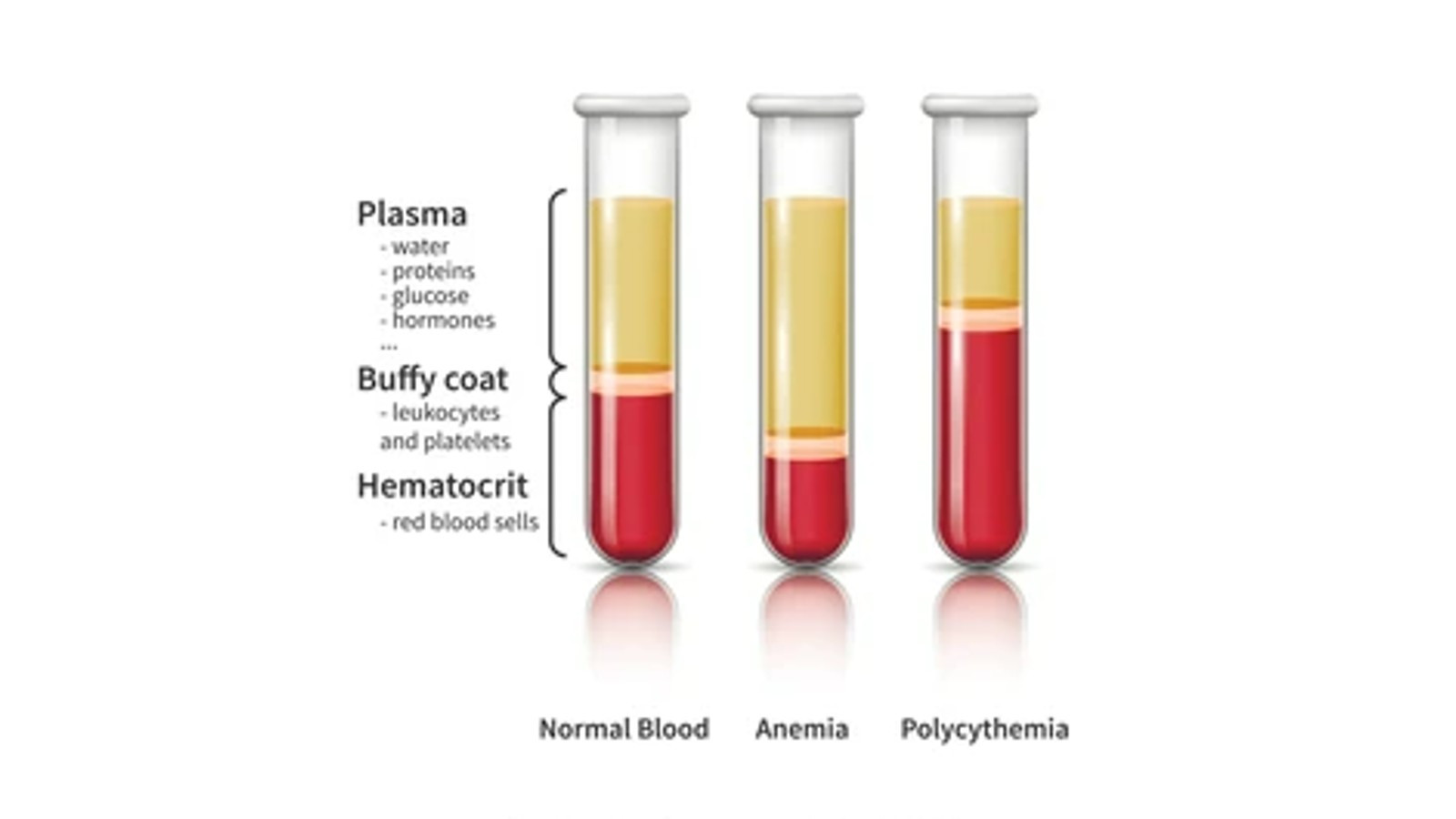
A hematocrit test is a diagnostic procedure used to calculate the percentage of red blood cells in relation to the total blood volume. The hematocrit value increases when the number of red blood cells rises or when there is a decrease in blood volume. Conversely, the hematocrit value decreases if blood volume increases, or if there is a reduction in red blood cell production or an increase in red blood cell destruction or loss. Red blood cells are responsible for transporting oxygen throughout the body and carrying carbon dioxide back to the lungs for exhalation.
The hematocrit test can be conducted either directly, through a centrifugation process, or indirectly via automated methods in the laboratory. It helps confirm the diagnosis of conditions such as anemia or polycythemia vera. Anemia occurs when there is an insufficient number of red blood cells, while polycythemia vera is a rare condition marked by an excessive number of red blood cells.
Doctors may request a hematocrit test if symptoms suggest anemia or polycythemia vera. Symptoms indicative of anemia include shortness of breath, fatigue or lack of energy during physical activities, headaches, dizziness, pale skin, or chest pain. In contrast, symptoms of polycythemia vera include blurred or double vision, shortness of breath, headaches, fatigue, or excessive sweating.
The hematocrit test is often performed alongside a complete peripheral blood test or complete blood count (CBC), which may also include tests for leukocytes, platelets, or hemoglobin.
Indication
The hematocrit test is typically performed in the following situations:
-
To assist in diagnosing anemia or polycythemia vera when symptoms or clinical signs suggest their presence.
-
To monitor hematocrit levels in patients receiving treatment for certain medical conditions.
-
As part of routine screening during medical check-ups.
Contraindication
There are no specific contraindications or conditions that would prevent an individual from undergoing the hematocrit test.
Preparation Before the Test
No special preparation is required for the hematocrit test, and fasting is not necessary. However, it is advisable to consult with a healthcare provider prior to the test, as certain conditions could interfere with the laboratory results, potentially causing inaccurate readings.
Test Procedure
For the hematocrit test, a blood serum sample of 0.25 to 0.5 milliliters is typically required. The blood is drawn from a vein and collected into a designated tube. Laboratory personnel will wear gloves and appropriate personal protective equipment (PPE) when collecting the sample.
Before taking the blood sample, the technician will apply an elastic band around the upper arm and clean the area where the needle will be inserted with antiseptic. Blood is commonly drawn from the crease of the elbow. Once the blood has been collected and placed in the tube, the elastic band will be removed, and the puncture site will be pressed and cleaned with antiseptic gauze. The entire process usually takes only a few minutes. The collected blood sample is then analyzed using specialized equipment in the laboratory, and the results are typically available within a few hours.
Normal and Abnormal Values
The normal range for hematocrit values varies based on age and gender. Below is a general guide to interpreting the results of the hematocrit test:
Adult Male
|
Value (%) |
Interpretation |
|
<40 |
Low |
|
40 - 54 |
Normal |
|
>54 |
High |
Adult Female
|
Value (%) |
Interpretation |
|
<36 |
Low |
|
36 - 46 |
Normal |
|
>46 |
High |
Infants and Children (<18 years old)
|
Value (%) |
Interpretation |
|
<53 |
Low |
|
53 - 69 |
Normal |
|
>69 |
High |
It is important to note that reference ranges for hematocrit values can vary slightly between laboratories, depending on the equipment or methods used.
Results and Recommendations (Follow-up Tests)
Low Hematocrit Levels
If your hematocrit test results show low values, it is important to consult a healthcare provider. Low hematocrit value is generally associated with anemia, a condition in which there are insufficient red blood cells to adequately transport oxygen to the body's tissues.
Several medical conditions may cause low hematocrit value, including deficiencies in key nutrients like iron, vitamin B12, or folic acid, as well as kidney disease, spinal cord disorders, or certain cancers such as leukemia, lymphoma, or multiple myeloma.
Although a low hematocrit value may point to potential health issues, self-diagnosis is not advised. You should seek medical consultation and undergo a physical examination if you experience any symptoms or signs that concern you.
Normal Hematocrit Levels
If your hematocrit test results fall within the normal range, it suggests that you likely do not have any hematological issues and that you are maintaining a healthy lifestyle. Continue with your current habits to preserve your health and prevent any conditions that could lead to abnormal hematocrit levels.
High Hematocrit Levels
If your hematocrit test results show elevated values, it is essential to consult with a doctor. Your healthcare provider may recommend adjustments to your diet and lifestyle to improve your health, or even suggest medications to help lower your hematocrit levels.
High hematocrit levels can indicate polycythemia, a condition where there is an excessive number of red blood cells in the body. Medical conditions that can cause polycythemia include hypoxia (lack of oxygen in the body), impaired erythropoietin hormone production, genetic polycythemia, polycythemia vera, or congenital heart disease.
Relative polycythemia may also occur, where blood volume decreases, but red blood cell numbers remain the same. This can be caused by conditions such as dehydration, excessive use of diuretic medications, living in high-altitude areas, heavy smoking, excessive vomiting, or intense physical exercise. In such cases, correcting the underlying issue (e.g., increasing fluid intake to address dehydration) can quickly return hematocrit levels to normal.
Even though a high hematocrit value may suggest certain conditions, self-diagnosis is not recommended. It is important to consult with a healthcare provider for proper evaluation and treatment if you experience any concerning symptoms.
Consult the Right Doctor
Adults with abnormal hematocrit test results can consult with a general practitioner, who can conduct further testing or begin appropriate therapy based on the diagnosis. If necessary, you may also seek advice from an internist or hematology-oncology specialist for a more thorough discussion regarding your hematocrit levels. In pediatric cases, any abnormal test results should be reviewed with a pediatrician.
Looking for more information about laboratory, radiology, and other examination results? Click here!
- dr Anita Larasati Priyono
Medscape. Hematocrit. 2014 September. https://emedicine.medscape.com/article/2054320-overview#a2
Mayo Clinic. Hematocrit test. 2021 December. https://www.mayoclinic.org/tests-procedures/hematocrit/about/pac-20384728
Medline Plus. Hematocrit test. 2020 July. https://medlineplus.gov/lab-tests/hematocrit-test/
Mayo Clinic Lab. Complete blood cell count. 2022 April. https://www.mayocliniclabs.com/test-catalog/overview/9109#Clinical-and-Interpretive
Cleveland Clinic. Hematocrit. 2018 December. https://my.clevelandclinic.org/health/diagnostics/17683-hematocrit