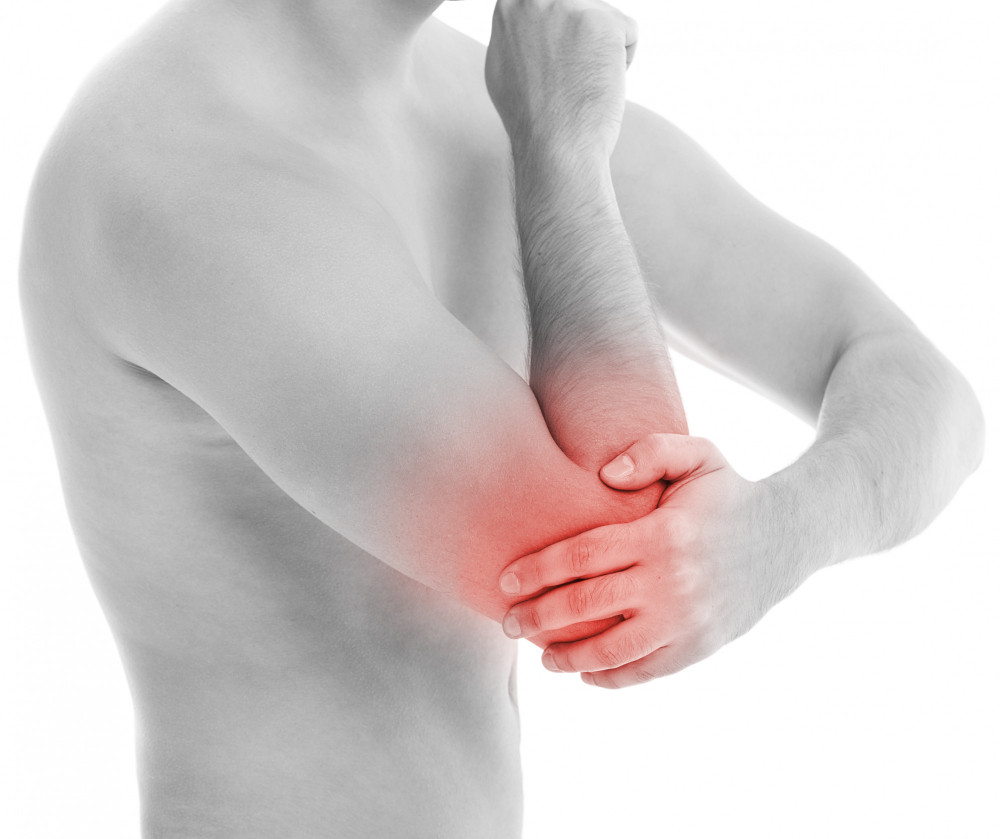

High uric acid levels or hyperuricemia can cause inflammation in the joints, especially in the big toe, ankle, knee, and elbow. This condition often leads to pain and swelling that can interfere with your daily activities. Diet plays a major role in worsening or relieving hyperuricemia symptoms.
So, what about bananas? Are they safe for people with hyperuricemia?
Bananas for Hyperuricemia Patients
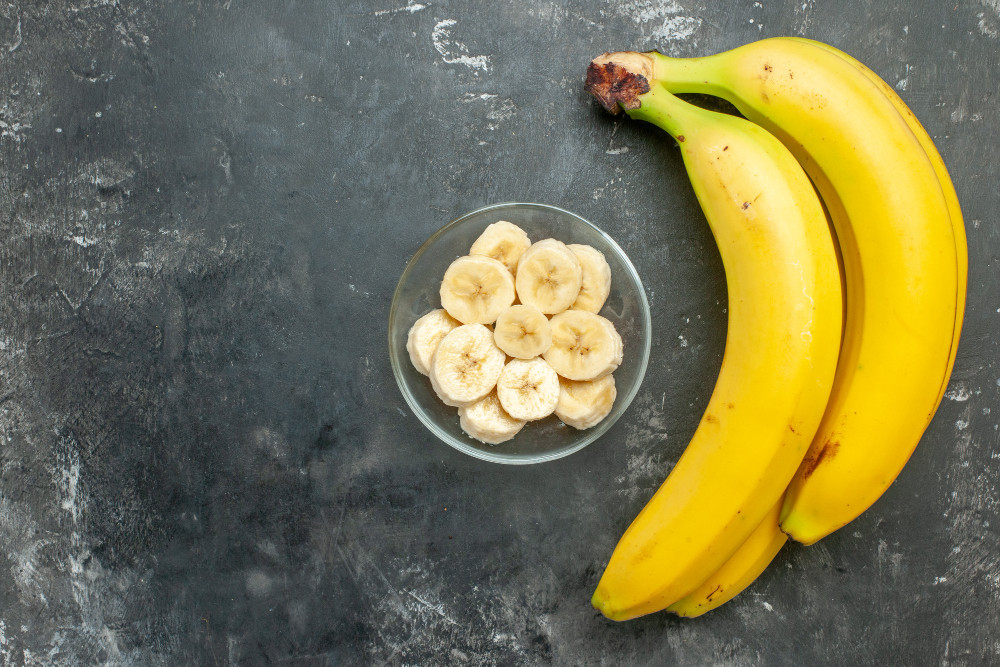
Bananas are tropical fruits with high carbohydrates and fiber contents, making them a good energy source. They also provide important vitamins and minerals, including vitamin C, potassium, magnesium, and phosphorus.
Potassium in bananas can support heart health and helps control blood pressure. Their pectin and resistant starch also support healthy digestive function.
Uric acid forms when the body breaks down purines, which the body produces naturally and which are present in some foods. If uric acid levels become too high and are not eliminated properly, crystals can accumulate in the joints and cause inflammation and pain.
In general, bananas are considered safe for people with hyperuricemia, but individual responses can vary. In those with very high uric acid levels, eating bananas may worsen inflammation. However, for people whose uric acid levels are controlled, bananas usually do not cause problems.
You should also consider the fructose content of bananas. According to a 2019 research review, excessive fructose intake can increase uric acid production. For that reason, you should eat bananas whole. Fruit processed into juice or smoothies tends to concentrate fructose, which may aggravate inflammation in people with hyperuricemia.
Good Foods and Drinks for Hyperuricemia Patients
Diet strongly influences uric acid control. If you have hyperuricemia, you should choose foods that are low in purines, rich in vitamin C, and incorporate them as a part of a balanced diet. You should also avoid processed items that can promote inflammation and raise uric acid levels.
Foods that are generally beneficial for people with hyperuricemia include:
-
Low-fat dairy products, such as milk and yogurt.
-
Legumes, including beans, peas, and lentils.
-
Vegetables such as mushrooms, asparagus, spinach, tomatoes, and broccoli.
-
High-fiber, lower-sugar fruits, such as cherries, oranges, and berries.
-
Whole grains, such as quinoa, barley, buckwheat, oats, and brown rice.
-
Nuts in moderate portions, such as almonds, cashews, pistachios, walnuts, and macadamias.
-
Soy products, such as tofu, tempeh, and edamame.
Foods and Drinks to Avoid for Hyperuricemia Patients
Some foods people with hyperuricemia should limit or avoid include:
-
Animal protein sources that are high in purines, such as red meat, organ meats, and certain seafood.
-
Alcoholic beverages.
-
Fruits high in fructose such as apples, mangoes, watermelon, and dried fruit.
-
Beverages sweetened with high fructose, including soda and many bottled drinks.
-
Processed foods that contain high-fructose corn syrup.
-
Foods high in refined carbohydrates, such as sugary cereals, white bread, pastries, donuts, and starchy vegetables.
The most effective way to reduce uric acid levels is to use medications such as allopurinol, febuxostat, or probenecid, combined with healthier lifestyle changes. Limiting high-purine foods and drinks, drinking plenty of water, and exercising regularly also help keep uric acid levels under control.
Bananas are low in purines, but people with high uric acid should consume them in moderation. If you have questions about a safe eating plan for people with hyperuricemia, you should consult a doctor or use the consultation feature in the Ai Care app on the App Store or Play Store.
Looking for more information about other diseases? Click here!
- dr Nadia Opmalina
Frothingham, S. (2021). Bananas for Gout: Low in Purine, High in Vitamin C. Available from: https://www.healthline.com/health/banana-gout#
Mintoya, S. (2025). Foods to eat and foods to limit while living with gout. Available from: https://www.medicalnewstoday.com/articles/315732
Sherrell, Z. (2023). Bananas and gout: Are they okay to eat?. Available from: https://www.medicalnewstoday.com/articles/bananas-and-gout#
Iftikhar, N. (2024). Natural Ways to Reduce Uric Acid in the Body. Available from: https://www.healthline.com/health/how-to-reduce-uric-acid