
Definition
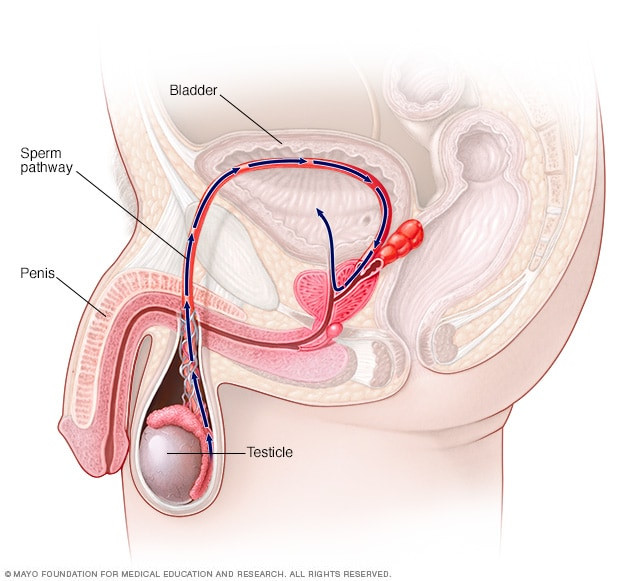
Premature ejaculation is a condition where seminal fluid comes out faster than the desired time during sexual intercourse. This affects a partner's self-confidence and sexual satisfaction. Premature ejaculation is a fairly common sexual complaint. According to the American Urological Association, premature ejaculation is the most common complaint of sexual dysfunction. This is nothing to worry about as long as it doesn't happen often, but there are several things you should pay special attention to if:
- Always ejaculate within the first 1 to 3 minutes
- Inability to delay ejaculation every time you have sexual intercourse
- Feeling stressed and frustrated so avoiding sexual relations
In general, premature ejaculation can be divided into two, namely:
- Primary premature ejaculation: the type of premature ejaculation experienced by men begins when they first have sexual intercourse and occurs every time they have sexual intercourse.
- Secondary premature ejaculation: a type of premature ejaculation experienced by men who have previously had sexual intercourse and did not experience premature ejaculation.
Causes
The causes of premature ejaculation can be divided into:
Physical and chemical causes
- A diagnosis of erectile dysfunction
- Problems with oxytocin hormone levels
- Low serotonin and dopamine levels
- There is infection or inflammation of the prostate or urethra
- A penis that is too sensitive to any stimulation
Psychological causes
- Anxiety disorders, especially regarding performance in sexual relations in front of a partner
- Stress
- Problems in your relationship with your partner
- Depression
Risk Factor
The risk factors for premature ejaculation are as follows:
- Suffering from erectile dysfunction
- Stress
- Having problems with your partner
- Ages 18 to 59 years
- Experiencing anxiety disorders
- Have high expectations of sexual performance in front of your partner
- History of experiencing sexual violence
Symptoms
Symptoms of premature ejaculation are:
- Inability to hold back seminal fluid at the desired time during sexual intercourse.
- Semen comes out too quickly within the first 1 to 3 minutes.
Diagnosis
In diagnosing premature ejaculation, the doctor's ability to dig up patient information through interviews and questions and answers is very important. The doctor will conduct a question and answer to ask about the patient's main complaint, accompanying complaints, history of disease if any, history of sexual relations, history of taking certain medications, history of daily activities and work, history of mental health, and history of illness in the family.
If accompanying diseases cause premature ejaculation, supporting examinations such as laboratory and radiological examinations are carried out.
Management
Treatment given for premature ejaculation includes behavioral therapy, exercises to train the pelvic floor muscles, medication, and counseling or psychological therapy. The management provided can be a combination of the methods above.
Behavioral therapy
Behavioral therapy, also known as behavioral therapy, uses several types of exercises to build endurance to delay ejaculation. One technique of behavioral therapy is to masturbate one to two hours before sexual intercourse takes place. In this way, ejaculation can be delayed during sexual intercourse with a partner. The doctor may also recommend abstaining from sexual intercourse for some time.
Pelvic floor muscle exercises
Weak pelvic floor muscles cause difficulty in delaying ejaculation. Pelvic floor muscle exercises such as Kegel exercises can strengthen these muscles. To create an effective pelvic floor muscle exercise, you must know the location of the right muscles, perform the technique correctly, focus, and repeat the movements at least three times a day.
Counseling
If premature ejaculation is caused by psychological, emotional problems, or problems in your relationship with your partner that affect anxiety, depression, and stress, then you can visit a psychologist, psychiatrist, or marriage counselor. Counseling with couples with professional staff can help you reduce anxiety and depression that affect sexual relations.
Medical treatments
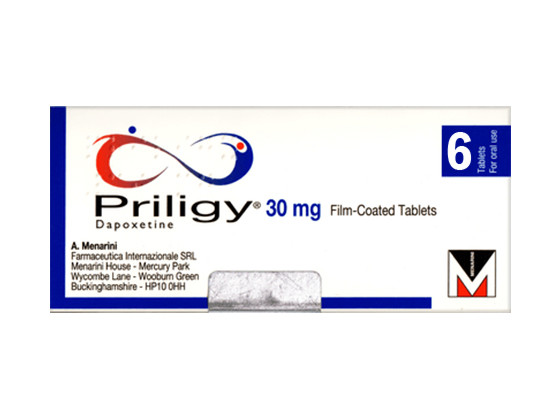
Some medications such as antidepressants, anesthetic creams, and some erectile dysfunction medications can be used to help delay premature ejaculation. These medicines are medicines that must be purchased based on a doctor's prescription and used according to the recommendations and supervision of the treating doctor.
These treatments can be carried out individually or combined according to the condition and cause of premature ejaculation.
Complications
Even though premature ejaculation does not have complications that lead to death, if it is not treated properly, premature ejaculation can cause problems in the household, male infertility problems, and mental problems, especially anxiety and self-confidence.
Prevention
Premature ejaculation can be prevented in the following ways:
- Avoid stress
- Focus on your own abilities
- Do techniques such as pelvic floor muscle exercises to prevent premature ejaculation
- Eat balanced nutritious foods that are rich in vitamins and minerals
- Do exercise three to five times a week for 30 minutes
- Drink at least 2 litres of water per day
When to See a Doctor?
You can see a doctor if premature ejaculation occurs every time you have sexual intercourse and interferes with your sexual life with your partner.
Looking for more information about other diseases? Click here!
- dr Vivian Keung
Cleveland Clinic - Premature Ejaculation. (2020). Retrieved 30 September 2022, from https://my.clevelandclinic.org/health/diseases/15627-premature-ejaculation
Mayo Clinic - Premature Ejaculation. (2022). Retrieved 30 September 2022, from https://www.mayoclinic.org/diseases-conditions/premature-ejaculation/symptoms-causes/syc-20354900
Urology Care Foundation American Urology Association - Premature Ejaculation. (2020). Retrieved 30 September 2022, from https://www.urologyhealth.org/urology-a-z/p/premature-ejaculation
WebMD - Premature Ejaculation. (2022). Retrieved 30 September 2022, from https://www.webmd.com/men/what-is-premature-ejaculation