Definition
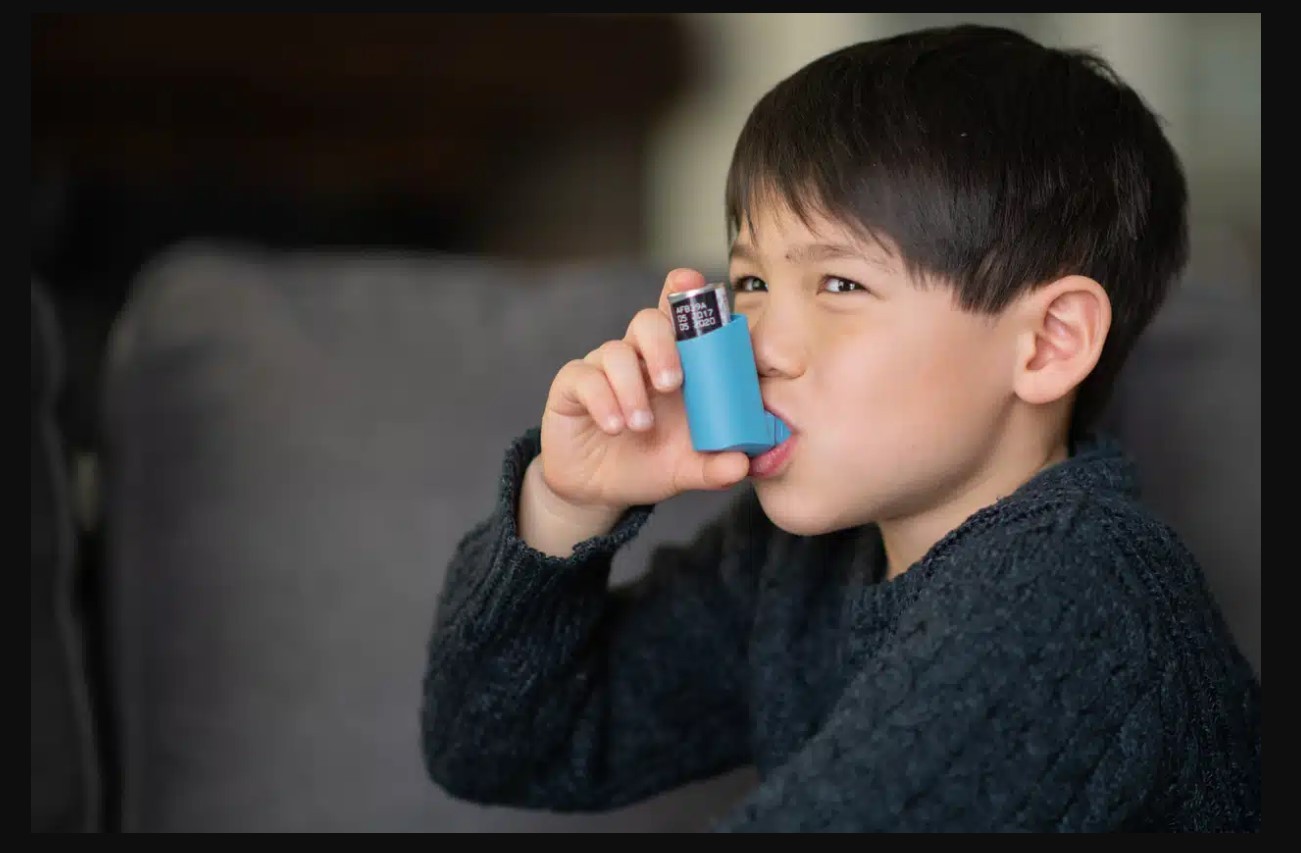
Asthma in children is a chronic lung condition characterized by heightened sensitivity of the airways to certain triggers. Exposure to these triggers can lead to various responses in the airways:
- Swelling of the airway lining
- Constriction of the muscles surrounding the airways
- Production of thicker mucus
These responses result in narrowing of the airways, making it challenging for air to move in and out of the lungs, thus causing asthma symptoms.
It's important to note that while asthma in children shares similarities with asthma in adults, children may exhibit different symptoms at times.
Causes
The precise cause of asthma remains unclear. While there is a genetic component, as asthma can run in families, other factors also contribute. These include environmental factors, respiratory infections, and exposure to substances such as cigarette smoke and pollen.
Risk Factor
A child is more likely to develop asthma if they:
- Are aged 5 to 17 years, or possibly even younger.
- Have family members with asthma.
- Have food allergies, eczema, or allergic rhinitis.
- Are frequently exposed to cigarette smoke.
- Are frequently exposed to air pollution.
- Have other health disorders, such as being overweight.
If you want to know more about the eczema, you can read it here: Eczema - Definition, Cause, Symptom, and Treatment
Symptoms
Symptoms of asthma in children may include:
- Frequent coughing, which can occur during the day, at night, or both. Coughing may worsen during viral infections, particularly when the child is asleep or triggered by exercise or cold air.
- Wheezing or whistling sounds when exhaling.
- Difficulty breathing or shortness of breath, especially during physical activity.
- Feeling of tightness in the chest.
Asthma in children can also manifest as:
- Sleep disturbances due to shortness of breath, coughing, or wheezing.
- Increased coughing or wheezing during upper respiratory infections or influenza.
- Delayed recovery after bronchitis or other respiratory infections.
- Breathing difficulties that interfere with playing or exercising.
- Fatigue, often resulting from poor sleep quality.
It is important to note that signs and symptoms of asthma can vary in each child and may fluctuate over time. Some children may experience only one symptom consistently, such as a persistent cough or chest tightness.
Diagnosing asthma in children can be challenging, as periodic or long-term wheezing and other asthma-like symptoms can also be caused by infectious bronchitis or other respiratory disorders. Seeking medical evaluation is essential for an accurate diagnosis.
Read more: Bronchitis - Definition, Cause, Symptom, and Treatment
Diagnosis
Asthma can be diagnosed through anamnesis or medical interview, physical examination and additional examinations.
Medical History
An interview between the doctor and the patient, where the doctor will inquire about:
- Current symptoms being experienced
- Past medical history
- Immunization history
- Family medical history
Physical Examination
The doctor will conduct a physical examination, which includes measuring blood pressure, respiratory rate, pulse rate, and body temperature. Lung auscultation will also be performed to listen for any abnormal sounds or wheezing.
Diagnostic Tests
Several diagnostic tests can aid in confirming the diagnosis of asthma:
- Spirometry. This test assesses lung function by measuring the amount of air a person can exhale and how quickly they can do so. It is typically suitable for children aged 5 and older.
- Peak flow monitoring. This involves using a peak flow meter to measure the maximum airflow a child can generate when exhaling forcefully. It can be particularly useful in older children.
- Chest X-ray. This imaging test uses radiation to produce images of the lungs and surrounding structures. It helps rule out other conditions that may mimic asthma.
- Allergy testing. While not a diagnostic test for asthma, allergy testing can help identify potential triggers for asthma symptoms.
Management
Treatment for asthma in children is tailored based on their symptoms, age, overall health, and the severity of their condition.
Your child's pediatric physician may refer you to a pulmonologist with specialized expertise in managing asthma. The doctor's treatment will be based on the severity of your child's symptoms and how well his or her asthma is controlled. Treatment includes finding triggers and ways to avoid them, as well as giving medications.
Asthma medications can be categorized into quick-relief medications for immediate symptom relief and medications to control and prevent symptoms, as well as reduce the frequency and severity of exacerbations.
- Quick-relief medications include:
- Bronchodilators (beta-agonists): These medications quickly relieve asthma symptoms by opening narrowed airways. Salbutamol is a commonly used bronchodilator.
- Combination inhalers containing inhaled steroids and long-acting bronchodilators: In specific cases, these medications may also provide quick symptom relief.
- Steroids (oral or injected form): Short-term therapy with steroids may be necessary for significant asthma exacerbations.
- Medications for controlling and preventing symptoms include:
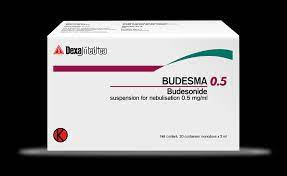
- Inhaled steroids: These medications reduce inflammation in the airways, helping to alleviate asthma symptoms and severity during exacerbations. They can be administered via inhaler or nebulizer.
- Combination inhalers with steroids and long-acting bronchodilators: Similar to inhaled steroids, these medications are combined with long-acting bronchodilators.
- Long-acting muscarinic antagonists: These medications may be used as additional therapy for children whose symptoms are not adequately controlled with first-line medications.
- Leukotriene antagonists: These oral medications target specific inflammatory pathways involved in asthma.
- Biological agents: These medications target specific molecules and cell receptors involved in asthma inflammation. They are typically administered via injection.
- Immunotherapy: Targeted immunotherapy for specific allergens may benefit children allergic to those allergens.
Complications
Poorly controlled asthma can result in:
- Severe asthma attacks
- Long-term damage to the airways
- Increased hospitalizations or emergency room visits
- Missed school or other activities
Prevention
While asthma cannot be entirely prevented, certain steps can reduce the risk of its development. These include:
- Avoiding cigarette smoke
- Minimizing exposure to air pollution
In most children, asthma attacks can be prevented by:
- Avoiding known asthma triggers
- Effectively managing symptoms
- Adhering to prescribed medication regimens
When to See a Doctor?
Seek medical attention if you suspect your child has asthma. Early intervention can help manage symptoms and prevent asthma attacks.
Visit a doctor if you notice:
- Persistent or intermittent coughing, particularly related to physical activity
- Wheezing or whistling sounds during exhalation
- Shortness of breath or rapid breathing
- Symptoms of chest tightness or fullness
- Recurrent episodes of bronchitis or pneumonia (lung infection)
Read more: Pneumonia - Definition, Cause, Symptom, And Treatment
In severe cases of asthma, you may observe:
- Retraction of the chest inward as the child struggles to breathe
- Increased heart rate, sweating, and chest pain
Seek immediate medical help if your child:
- Cannot speak a full sentence in one breath
- Uses abdominal muscles to breathe
- Flares their nostrils while breathing in
- Exhibits visible effort to breathe, causing inward retraction of the abdomen during inhale
Looking for more information about other diseases? Click here!
- dr. Alvidiani Agustina Damanik
Asthma in children (2022) Asthma in Children | Johns Hopkins Medicine. Available at: https://www.hopkinsmedicine.org/health/conditions-and-diseases/asthma/asthma-in-children (Accessed: December 14, 2022).
Childhood asthma (2021) Mayo Clinic. Mayo Foundation for Medical Education and Research. Available at: https://www.mayoclinic.org/diseases-conditions/childhood-asthma/symptoms-causes/syc-20351507 (Accessed: December 14, 2022).
Asthma in children (2018) Centers for Disease Control and Prevention. Centers for Disease Control and Prevention. Available at: https://www.cdc.gov/vitalsigns/childhood-asthma/index.html (Accessed: December 14, 2022).